
Retail and Restaurant Chains in Roseville, CA
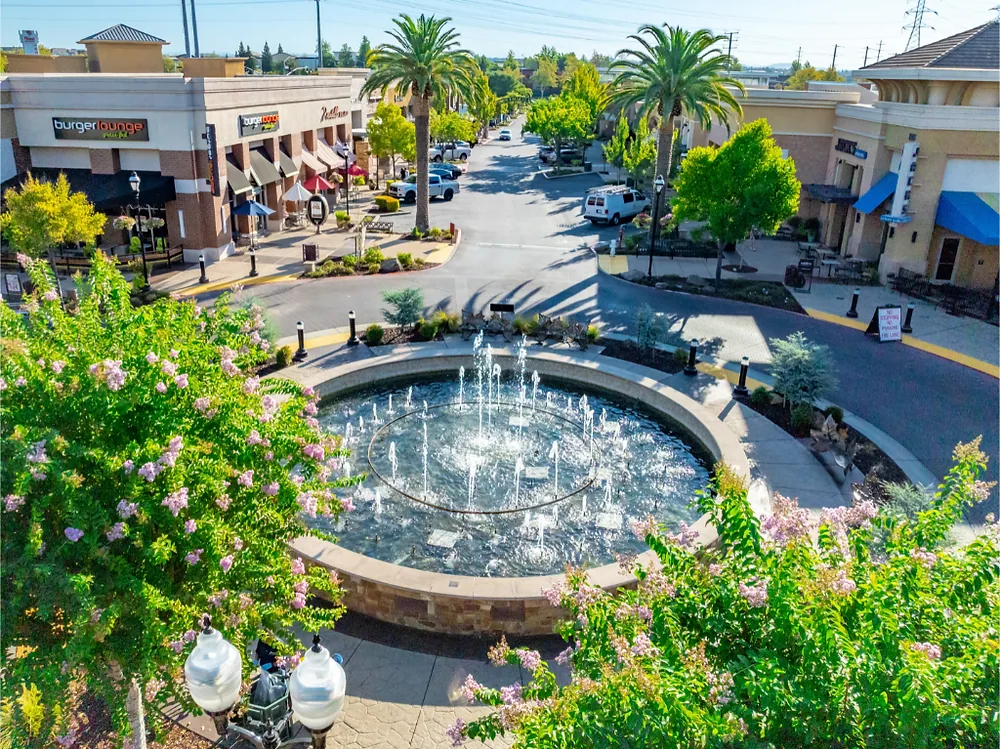
A roof repair over a restaurant exhaust line can affect kitchen operations, customer access, and the next service window. A chain may use the same reporting form at every store, but each location has its own roof assembly, curb details, drain path, and tenant rules. Roseville's Roseville Parkway Corridor connects shopping and dining destinations with offices and neighborhoods, while the city's adopted commercial corridors cover Atlantic Street, Douglas-Harding, and Douglas-Sunrise.
We inspect the reported roof zone and document the condition in a way a facilities team can compare across locations without treating the buildings as identical. The report identifies the leak area, nearby penetrations, the visible repair boundary, and questions that need testing. That gives a regional manager a specific action to assign rather than an undifferentiated work order.
Roseville's hot, dry summer pattern is described by nearby Sacramento Executive Airport normals, not measurements at any individual store. Heat exposure and a return to winter rain make it useful to inspect recurring trouble spots before the next operating season. The property itself determines access, roof material, and the repair method.
Next step: Read the Roof Above the Store Layout
Begin with the address, affected room, shift or service period, leak timing, and any recent work on exhaust, refrigeration, signs, or rooftop units. Those details help locate the likely area above the kitchen, sales floor, or back-of-house storage. Trace the roof plane to nearby drains, seams, walls, and penetrations before assigning a repair boundary.
At a restaurant, inspect the flashing around kitchen exhaust and make-up air equipment, nearby grease-related discharge areas, and any service path used by a mechanical vendor. At a retail store, check sign supports, skylights, and later-added communications lines. We record only what is visible and identify where a test cut or mechanical review is needed before the roof scope can be final.
A store roof inspection can document the first report, and equipment-curb review can address a penetration after a vendor has worked on the unit. A drainage check can help separate a restricted outlet from a membrane failure.
Next step: Protect Store Hours and Customer Routes
Confirm opening hours, delivery times, kitchen production periods, customer entries, and the route where a lift or material cart may travel. A small repair can still require a blocked parking row or a short interior closure. Name the store lead who can authorize a schedule change and the facilities contact who accepts the closeout record. Confirm whether the store has a scheduled delivery, inventory count, promotion, or kitchen service that changes access during the proposed window. Send the affected hours to the field lead before mobilization so a repair does not collide with a planned operating event.
For a leak during business hours, protect stock and equipment below while the roof source is located. If work affects a dining area, kitchen exhaust, or electrical service, coordinate the appropriate trade and keep the work boundary visible. Before leaving, verify that drains and access openings are clear, temporary protection is secure, and the store manager understands what remains open.
A store-by-store reroof sequence can keep an operating location open while crews move between roof zones. The plan should list noisy work, delivery restrictions, expected access, and daily restoration for each site instead of applying one schedule to an entire chain.
Give the site manager a short handoff with the crew arrival, restricted area, and expected reopening time. If a kitchen or stockroom stays under the active zone, identify the protective cover and the person who checks it during service. The location lead can then keep a customer route open without guessing whether roofing work is still overhead.
Next step: Separate a Local Fix From a Rollout
A failed seal around an exhaust curb is a different scope from a membrane seam that has opened across several bays. We check the adjacent material and insulation before deciding how far to extend a repair. If the substrate is wet or the field has repeated repairs, the team may need targeted testing before treating the issue as isolated.
For a regional brand, an approved detail can help keep work records consistent. It should not force the same repair choice on every store. Record the material, preparation, tie-in, roof-zone photos, and any deviation required by the building. A chain dashboard can then compare completed work while preserving local conditions and exclusions.
A localized store repair may be appropriate where the surrounding assembly is sound. If age or moisture spans a larger area, compare it with coating restoration or replacement only after checking surface condition, compatibility, drainage, and edge height. The scope must state what each option includes.
Climate risk: Time Checks Before the Wet Season
The July 1991 to 2020 precipitation normal for Sacramento Executive Airport is 0.00 inches. This nearby station does not measure conditions at a Roseville shop or restaurant. A store repaired during summer should have the affected curb or seam checked before winter rain, with the return visit tied to the original work order.
Heat can stress exposed sealant over time, especially around equipment accessed by vendors. The airport's August mean daily high is 91.9 degrees Fahrenheit, a regional normal rather than a reading from any chain location. We check the roof's actual surface and flashing condition before recommending a repair or follow-up.
Roseville describes its Parkway route as a busy retail corridor serving shopping and dining destinations. Storefront access there can differ from a property in the separate Roseville Commercial Corridors plan areas. We confirm each location's entrance, delivery, and staging needs before setting the crew window; the Parkway corridor is regional context, not a substitute for a site visit.
Inspection record: Make the Location Record Easy to Reuse
Close each work order with roof-zone photos, materials, completed boundary, store contact, date, and remaining action. If the crew used temporary protection, record when it was removed or who will return to inspect it. A later service call should be able to distinguish an earlier correction from a condition that appeared at another location. Keep store identifiers stable as leases change, and note whether the brand, property manager, or owner approved the work. When several sites are reviewed together, summarize status by location and preserve the original photos and scope with each address record.
For routine visits, compare new penetrations, curb flashing, drain condition, edge metal, open seams, and repeated interior reports. Keep refrigeration and exhaust work on the maintenance calendar so a new curb or line receives a final roof review. Where a location is leased, record which party controls the roof and who can authorize permanent work.
A multi-location record can standardize fields for the chain. A property management group may also need tenant coordination, and a hospitality operator may prioritize guest routes. Each property still needs an independent inspection and approval record.
Commercial Roofing Questions
What details help a chain triage a store leak?
Record the store, room, time, weather, active operation, and any recent equipment work. We use those details to locate the roof zone and identify a safe inspection and protection plan.
Can repairs be scheduled outside customer hours?
The roof access and work type set the available window. We coordinate store hours, deliveries, exhaust use, and any lift placement with the location lead before the crew arrives.
Should the same repair standard apply at every store?
Use a consistent record and closeout standard, then set the repair to the assembly and condition at each property. A common checklist should preserve building-specific scope and exceptions.
Who should coordinate an exhaust curb repair?
The roofing crew and mechanical service vendor need to agree on who moves equipment and who closes the flashing. We document the tie-in after the equipment work is complete.
What should a multi-store closeout report include?
List the location, roof zone, photographs, work performed, material, approved changes, and remaining action. That keeps a chain-level view useful without blending findings from separate buildings.
Related Roofing Pages
Schedule a chain location review
Send the store list, affected locations, operating windows, reported leak areas, and any exhaust or refrigeration constraints. We will document each roof separately and return scopes your facilities team can compare. 555-555-5555
Commercial Roofing for Retail and Restaurant Chains in Roseville, CA FAQs
Common questions about this topic for Roseville commercial buildings.
What details help a chain triage a store leak?
Record the store, room, time, weather, active operation, and any recent equipment work. We use those details to locate the roof zone and identify a safe inspection and protection plan.
Can repairs be scheduled outside customer hours?
The roof access and work type set the available window. We coordinate store hours, deliveries, exhaust use, and any lift placement with the location lead before the crew arrives.
Should the same repair standard apply at every store?
Use a consistent record and closeout standard, then set the repair to the assembly and condition at each property. A common checklist should preserve building-specific scope and exceptions.
Who should coordinate an exhaust curb repair?
The roofing crew and mechanical service vendor need to agree on who moves equipment and who closes the flashing. We document the tie-in after the equipment work is complete.
What should a multi-store closeout report include?
List the location, roof zone, photographs, work performed, material, approved changes, and remaining action. That keeps a chain-level view useful without blending findings from separate buildings.