
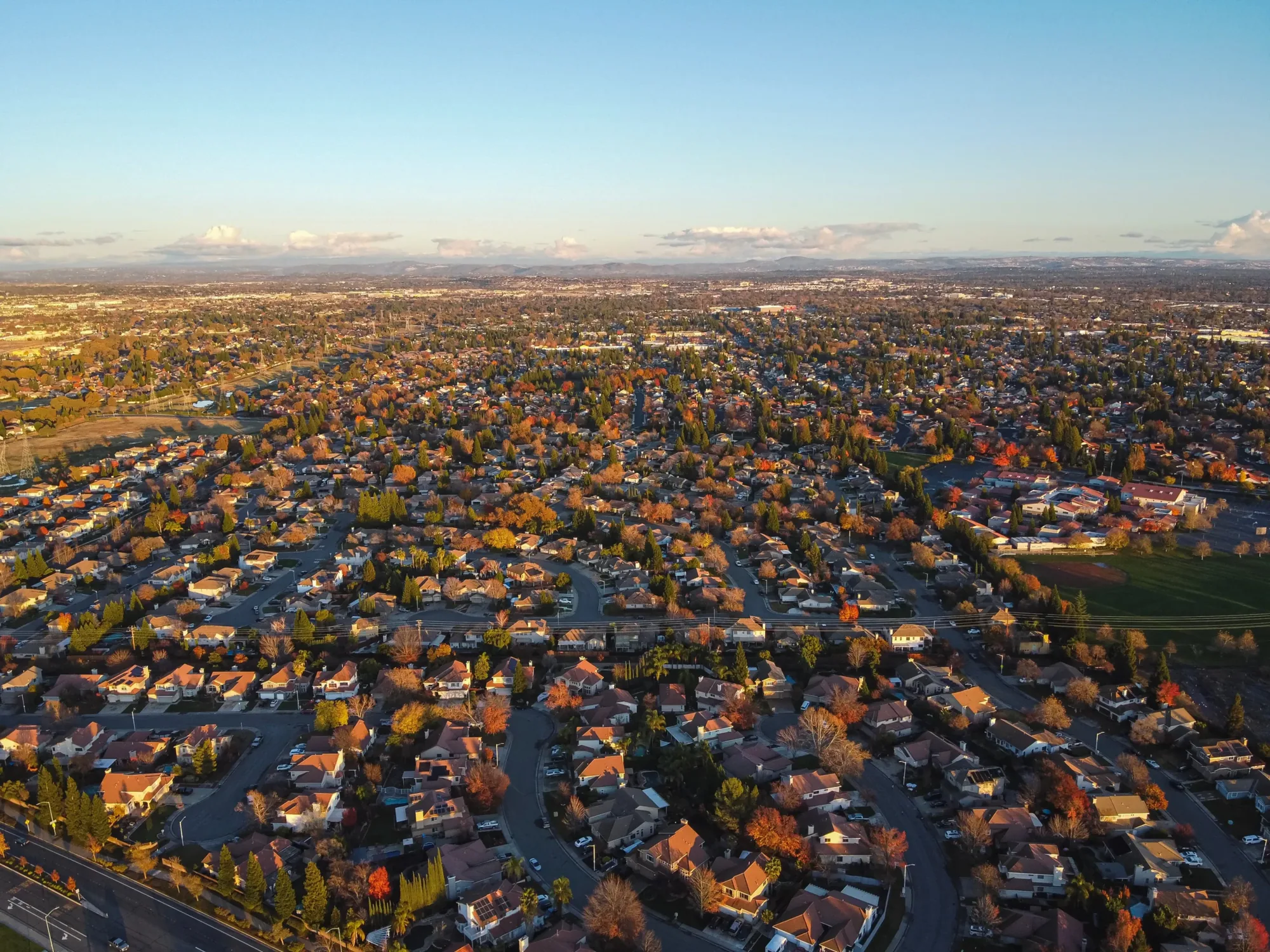
Roseville Parkway Corridor in Roseville, CA
On a busy retail corridor, roof work has to protect the building and preserve safe access below. Roseville Parkway is one of the city's busiest retail corridors. The six-lane arterial links regional shopping and dining, offices, and residential neighborhoods. We inspect each property on its own, map leaks and drainage, then plan repairs or replacement around entrances, loading, equipment, and the site's operating hours.
Operations: Set the work window around customer access
Before setting a crew date, confirm where materials can be staged, which entrances must remain open, and whether deliveries use the same route. A roof project can affect sidewalks, parking areas, drive aisles, and rooftop equipment access even when the repair is far from the customer entrance. We coordinate those boundaries with the person who controls the site and identify how temporary protection will be maintained through each shift.
A planned multi-year widening has its first phase between Pleasant Grove Boulevard and Creekside Ridge. Before scheduling roof work near that segment, property managers can confirm current access and delivery routes, then share any constraints that affect material staging. The roof plan still starts with a site walk. An occupied-building reroof plan can sequence sections and set daily protection, while a multi-property roof program keeps records separate when ownership has more than one location.
Repair options: Track the leak from inside to the roof
Ceiling marks, wet insulation, and a split membrane are different observations. We log the interior location and timing, then inspect the related roof section, seams, curbs, parapets, drains, and previous repairs. Water may travel before it reaches a room, so the nearest roof detail is only a starting point. Photos labeled on a roof map make it easier to see which area is confirmed and which needs further testing.
At a property with several wings or tenant spaces, name the roof sections consistently. We note drain direction, low areas, and changes in height because each can redirect water. If moisture appears to extend beyond the visible defect, an infrared moisture survey or test opening may help set the boundary. A commercial roof inspection produces the field baseline. Pairing it with condition photos and a repair list gives ownership a record for planning and approvals.
Climate risk: Check roof details before seasonal rain
Nearby Sacramento Executive Airport normals show an average July high of 92.6 degrees and an August high of 91.9. About 14 days a year there reach 100 degrees or more. These figures describe the regional station, not a Parkway property. The station's July precipitation average is 0.00 inches, compared with 3.66 inches in January. After a dry summer, open seams, tired flashing, or blocked drains can face a different test when the wet season arrives.
Before the wet season, our roof walk focuses on exposed penetrations, loose metal edges, and drains serving active retail or office space. For a returning leak, we compare the latest roof photos with the prior repair record, then inspect the adjacent insulation and membrane. That shows whether the next scope should revisit a local seam or include moisture testing. A drain and scupper review can determine whether the water-control assembly needs attention.
Cost drivers: Price the condition and the access plan
A localized patch fits when a defect is limited and the surrounding assembly remains sound. We prepare the surface, install compatible materials, and photograph the tie-in. Where failures repeat at seams and flashing, or moisture spreads below the surface, the scope may need to grow. We explain the evidence that supports that change so the owner can separate urgent leak control from capital work.
Replacement, recover, and coating are not interchangeable bids. A recover depends on dry, secure layers and adequate height at drains and edges. A coating needs sound substrate and suitable preparation. Tear-off exposes the assembly but changes debris handling, noise, staging, and schedule. We compare a repair scope, recover option, and replacement plan after the inspection documents the roof.
Pricing follows roof area, detail count, insulation findings, material compatibility, access, lifts or cranes, traffic protection, and work hours. On a busy corridor, a limited delivery window or protected customer route can influence sequencing. The proposal should state those assumptions, the temporary dry-in plan, and how concealed conditions will be approved before added work proceeds.
Repair options: Make every edge and curb part of the scope
A field membrane has to connect cleanly at rooftop units, skylights, expansion joints, parapets, and drains. We check flashing height, termination, attachment, and whether water can move past each detail. A good-looking sheet does not offset a loose curb or an open edge. If multiple assemblies meet, identify each material and specify the tie-in before choosing a repair product.
For replacement, the system review includes insulation, cover board, attachment, membrane, edge securement, flashing, and drainage.
New thickness may affect wall terminations or drain inlets, so those elevations need to be considered before installation.
Plan equipment access and trade coordination before the old roof is opened.
At closeout, inspect seams, corners, penetrations, and water outlets and retain photos.
System selection should reflect substrate, use, and detail requirements rather than a corridor-wide assumption.
Record manufacturer markings and existing details when available, since they can inform compatibility and tie-in design.
Where drawings are missing, note that limitation and confirm the assembly during the field review before materials are ordered.
Inspection record: Start with a property-specific roof map
Bring repair history, roof drawings if available, leak dates, and the site contact who can coordinate access. We will map roof sections, photograph defects, trace drainage, and identify conditions that need testing. The report should say what is visible, what is suspected, and what evidence supports each recommended scope. If the work is phased, the map should show temporary edges and where one contractor handoff begins.
When a repair is underway, we document the surface preparation, materials, weather conditions, and finished tie-in. A closeout record should identify the repaired roof section and note any nearby condition that was observed but left outside the approved scope. That distinction helps facilities staff track future leaks and avoids treating an earlier patch as proof that the full roof area was renewed.
Roseville Parkway connects commercial destinations and office areas with surrounding neighborhoods, but a corridor label does not reveal a particular roof's age or assembly. We inspect the building and build the plan around its users. Tell us which space is affected, when water appeared, and what schedule cannot move. We can return repair priorities and a defined next step. If the portfolio also includes a property in Roseville's other commercial corridors or Downtown Roseville, keep each location's condition record attached to its own roof map.
Commercial Roofing Questions
Does Parkway widening mean our building will lose roof access?
The announced roadway project does not establish access conditions at a particular property. We confirm the current route and staging limits with the site contact before materials or equipment are scheduled.
Can roof work happen during retail hours?
The sequence depends on where crews enter, how materials reach the roof, and which customer routes must remain open. We plan those limits with the facility contact and phase work by roof section.
What belongs in a roof bid when access is restricted?
Show the work window, staging location, lift or crane needs, entrance protection, temporary dry-in, and any limits on deliveries. Those assumptions make competing scopes easier to compare.
How do you know whether a leak needs a patch or broader work?
The roof map, moisture findings, seam condition, and prior repair history help set the boundary. We document what is confirmed and identify any testing needed before the scope expands.
Related Roofing Pages
Book a Parkway corridor roof review
Tell us which property is affected, when the leak appeared, and what access hours apply. We will map the condition and build the scope around the site's operating plan. 555-555-5555
Commercial Roofing in Roseville Parkway Corridor, Roseville, CA FAQs
Common questions about this topic for Roseville commercial buildings.
Does Parkway widening mean our building will lose roof access?
The announced roadway project does not establish access conditions at a particular property. We confirm the current route and staging limits with the site contact before materials or equipment are scheduled.
Can roof work happen during retail hours?
The sequence depends on where crews enter, how materials reach the roof, and which customer routes must remain open. We plan those limits with the facility contact and phase work by roof section.
What belongs in a roof bid when access is restricted?
Show the work window, staging location, lift or crane needs, entrance protection, temporary dry-in, and any limits on deliveries. Those assumptions make competing scopes easier to compare.
How do you know whether a leak needs a patch or broader work?
The roof map, moisture findings, seam condition, and prior repair history help set the boundary. We document what is confirmed and identify any testing needed before the scope expands.