
Commercial Roof Maintenance in Roseville, CA
A blocked drain before the first winter storm can undo a year of otherwise quiet roof service.
We build maintenance visits around the roof's condition, previous repairs, access, and use below.
Roseville, CA has a long dry summer in the nearby Sacramento Executive Airport climate record, followed by a wetter winter period.
Those are regional station normals, not a forecast for a particular property.
The seasonal shift gives facility teams a practical reason to check drains, seams, and flashing before rain returns.
Each visit leaves a roof map, photos, repairs completed, and items to schedule next.
Visit plan: prioritize the details that fail first
A useful maintenance visit begins with previous findings. We revisit repaired seams, curb flashing, drains, edge metal, skylights, and areas disturbed by mechanical or electrical trades. We clear ordinary debris from accessible drains, check that outlets and overflow routes remain open, and record any new standing-water pattern. If a defect has grown, we show the change with current photographs beside the earlier condition.
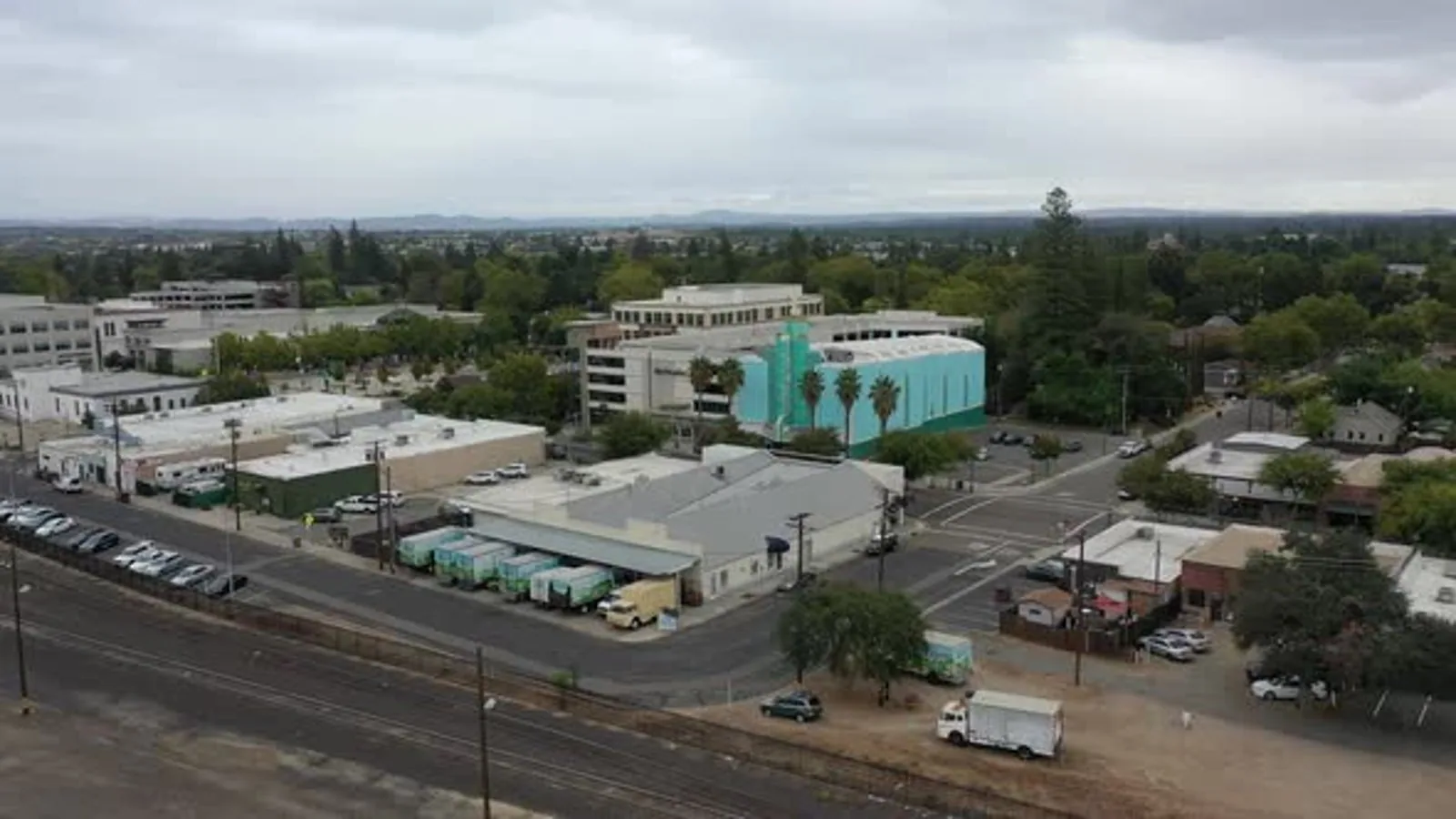
Roseville's North Industrial Area is planned primarily for industrial uses, while the city has adopted commercial corridor plans for Atlantic Street, Douglas-Harding, and Douglas-Sunrise. A plant roof may see regular service traffic around equipment. A retail or office roof can have different tenant access and curb details. We tailor the route to the actual assembly and prior repair map. A condition report keeps each observation tied to an identifiable roof section.
Seasonal checks: prepare for the wet months
Summer heat can work seams and terminations while little rain reaches the surface. NOAA normals from nearby Sacramento Executive Airport show mean highs above 90 degrees in July and August, with roughly 14 days per year at or above 100 degrees. The station measures regional weather, not roof temperature in Roseville. We use the record as context for checking exposed laps, metal edges, and sealant after the hot stretch.
At the nearby airport station, July is nearly rainless in the long-term record while January receives considerably more precipitation.
Dry weather cannot establish that the roof is sound.
It can simply leave a weak detail untested.
Before the wetter season, we confirm drains, scuppers, overflow routes, and low areas are not holding debris.
If water remains, a drainage review can separate blocked outlets from slope or deck concerns.
We schedule the next visit based on the roof's findings and exposure.
Next step: distinguish action from watch
We classify each item by its condition and next step.
Open flashing or a loose seam may need repair.
Surface wear with no moisture evidence may need monitoring.
A repaired area may need a follow-up check after the next rain.
The record states the location, visible cause, urgency, and work performed, rather than leaving a list of ambiguous photo captions.
We also note areas that could not be reached safely.
Some findings need another method. A thermal pattern may guide a moisture survey, while a core can verify the roof layers at one point. Neither test should be ordered without a question to answer. If readings suggest a broader issue, a moisture survey can help map candidate areas. A full roof inspection may be better when the existing record is incomplete or the roof has several systems and transitions.
Access and timing: fit the visit to site use
Maintenance works best when access is coordinated. We confirm roof entry, escorts, safety rules, equipment clearances, and any room below that needs protection. We keep tools and debris away from drains and active walk paths. If roof equipment must be shut down or a tenant area notified, that requirement belongs in the visit plan before crews arrive.
The Roseville Parkway Corridor connects retail, dining, offices, and residential neighborhoods. Tenant traffic can affect the maintenance window there. Industrial properties may be governed by shift changes, truck routes, or production lines. A Roseville Parkway service-area review reflects the corridor's commercial mix, while the roof visit still follows the individual property's access needs. We tell the site contact which areas were checked and which need a separate escort or shutdown.
Small repairs: preserve sound material
Maintenance can include minor repairs when the defect and approved scope are clear. We may reseal a compatible detail, secure loose flashing, replace damaged fasteners, or patch a small membrane opening. The repair record identifies the material and location. If a defect extends beneath the visible surface, we stop and show the condition before expanding work.
Repeated service in one area can signal that the underlying detail was not corrected. We compare each visit with prior photographs and review movement, drainage, trade access, and material compatibility. If the roof remains repairable, a defined commercial roof repair can address the failure. If moisture or attachment problems are widespread, a capital plan can map repair and replacement needs across budget periods.
Maintenance budget: price the condition, not a calendar
Program cost depends on roof area, access, roof-system complexity, number of visits, testing, and whether minor repairs are included. We list visit frequency and included work separately. A fixed annual visit does not automatically cover concealed damage, major repairs, or equipment changes. The agreement should state how additional work is documented and approved.
Weather and roof use can change the right interval. A roof with frequent trades or recurring drain debris may need more checks than an undisturbed roof in a simple layout. The nearby Roseville climate record provides regional context for seasonal planning, but the property history sets the actual schedule. We use leak calls, age records where known, materials, prior repairs, and observed wear to set priorities. Clear records help the owner adjust the program as the roof changes.
Inspection record: Start with the roof file
Send any roof plan, prior inspection, leak log, repair invoice, or warranty document before the first visit. Tell us which areas require escorts and what operations must continue below. If records are incomplete, we can create a map during the inspection and label the sections as we go. That baseline makes later maintenance more consistent.
After each visit, we provide photographs, completed work, open items, and recommended timing. We identify immediate concerns separately from conditions to monitor. The next decision may be a repair, a targeted test, or a budget allowance for later work. Schedule a Roseville commercial roof maintenance review and share the site's operating window. We will build the route around the roof findings and leave the facility manager with a record that can be used for the next visit.
Commercial Roofing Questions
What does a maintenance visit include?
We inspect accessible membrane, seams, flashing, drains, curbs, edges, and penetrations, then document visible defects and completed minor work. Testing or major repairs are separately scoped when the findings call for them.
Should maintenance happen before or after the rainy season?
Many Roseville properties benefit from a pre-rain check of drains, scuppers, seams, and exposed flashing. The right interval depends on roof use, previous repairs, and the conditions found during inspection.
Does routine maintenance include repairs?
The agreement defines included minor work and limits. A repair that requires opening the assembly, replacing wet insulation, or rebuilding a detail is priced separately after we document the condition and boundary.
Can maintenance records help us plan replacement?
Yes. Dated photos and mapped findings show whether conditions are stable, localized, or spreading. We use that record to separate near-term repairs from larger capital work and identify where another test may change the decision.
How do you handle a drain that repeatedly clogs?
We clear accessible debris and inspect the bowl, outlet, overflow route, and nearby slope. If water still remains, the issue may involve drainage geometry or a damaged connection. We document the condition and recommend the right repair scope.
Related Roofing Pages
Other pages that cover related roofing work.
Set a roof maintenance review
Share prior roof reports, leak records, access rules, and operating hours. We will inspect the system, complete approved minor work, and leave a prioritized condition record. 555-555-5555
Commercial Roof Maintenance in Roseville, CA FAQs
Common questions about this topic for Roseville commercial buildings.
What does a maintenance visit include?
We inspect accessible membrane, seams, flashing, drains, curbs, edges, and penetrations, then document visible defects and completed minor work. Testing or major repairs are separately scoped when the findings call for them.
Should maintenance happen before or after the rainy season?
Many Roseville properties benefit from a pre-rain check of drains, scuppers, seams, and exposed flashing. The right interval depends on roof use, previous repairs, and the conditions found during inspection.
Does routine maintenance include repairs?
The agreement defines included minor work and limits. A repair that requires opening the assembly, replacing wet insulation, or rebuilding a detail is priced separately after we document the condition and boundary.
Can maintenance records help us plan replacement?
Yes. Dated photos and mapped findings show whether conditions are stable, localized, or spreading. We use that record to separate near-term repairs from larger capital work and identify where another test may change the decision.
How do you handle a drain that repeatedly clogs?
We clear accessible debris and inspect the bowl, outlet, overflow route, and nearby slope. If water still remains, the issue may involve drainage geometry or a damaged connection. We document the condition and recommend the right repair scope.