
Roof Systems
TPO Roofing
Review TPO roofing options in Roseville, CA, including seam condition, insulation, drainage, heat exposure, repair scope, and replacement timing.
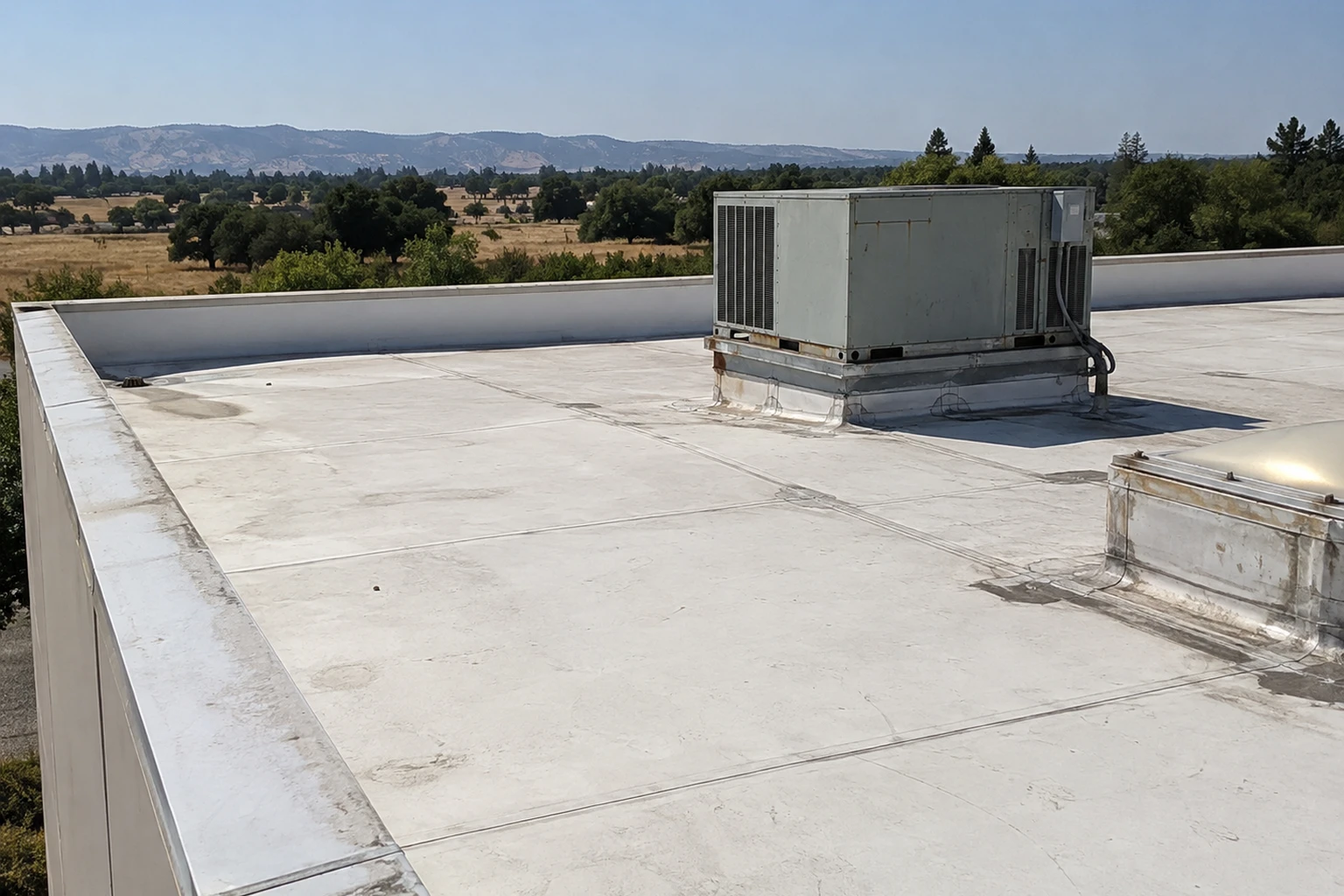
PVC Roofing
Compare PVC roofing in Roseville, CA by seam integrity, chemical exposure, insulation, drainage, installation conditions, and long-term repair needs.
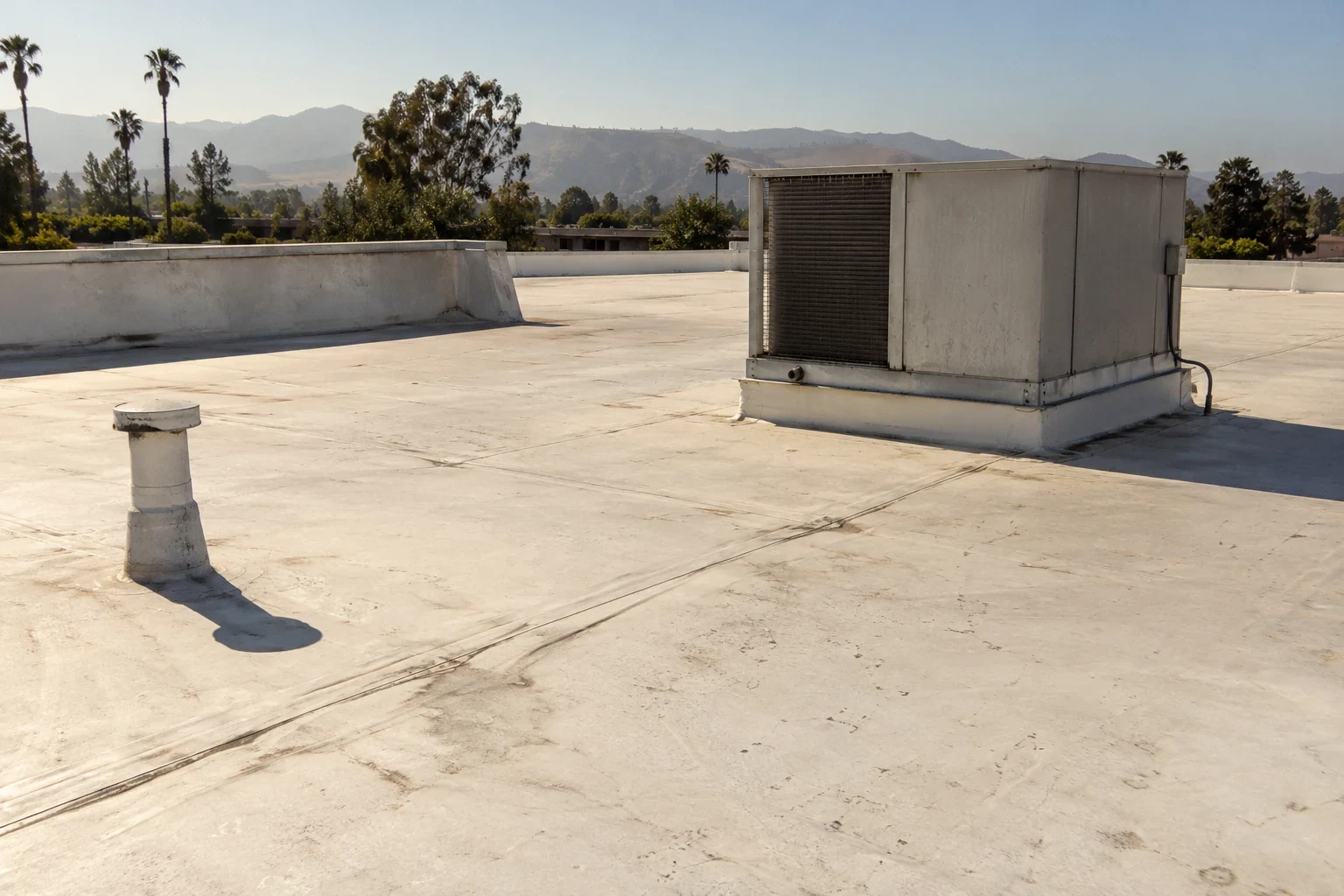
EPDM Roofing
Assess EPDM roofing in Roseville, CA by seam and flashing condition, attachment, insulation, drainage, repair options, and maintenance needs.
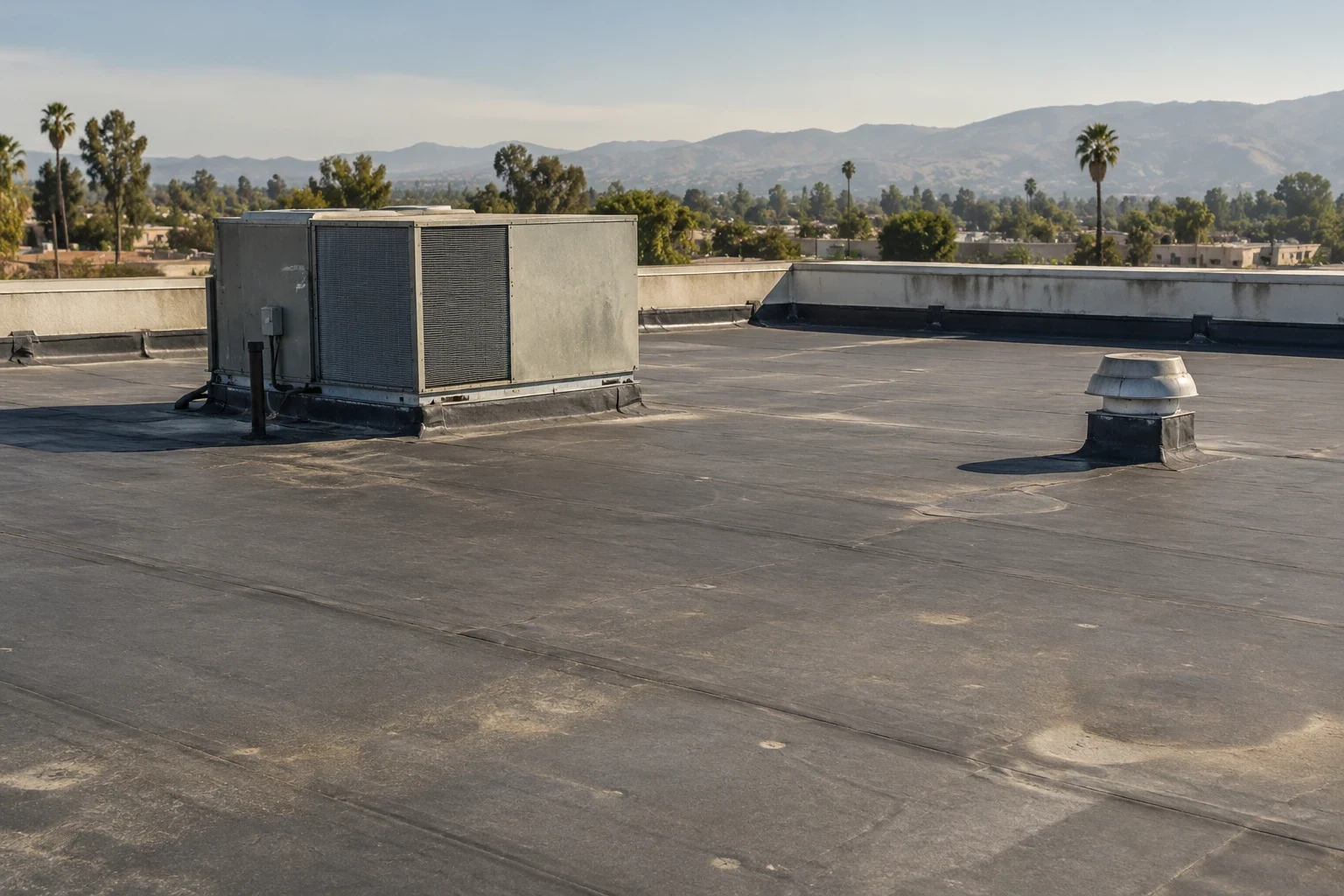
KEE Roofing
Evaluate KEE roofing in Roseville, CA by membrane formulation, weld quality, chemical exposure, insulation, drainage, and repair compatibility.
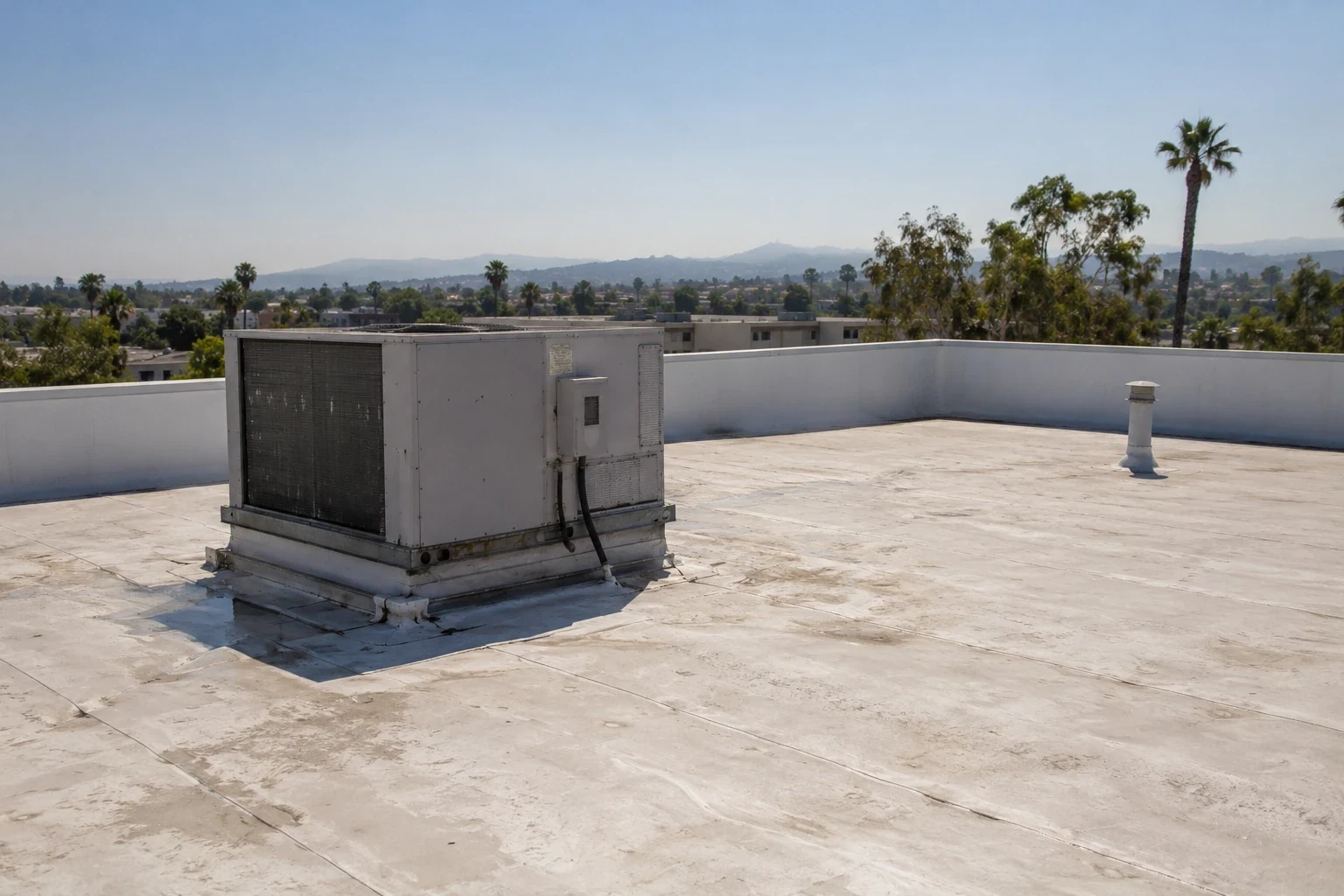
Modified Bitumen Roofing
Review modified bitumen roofing in Roseville, CA, from cap-sheet wear and flashing to moisture, repair boundaries, and replacement choices.
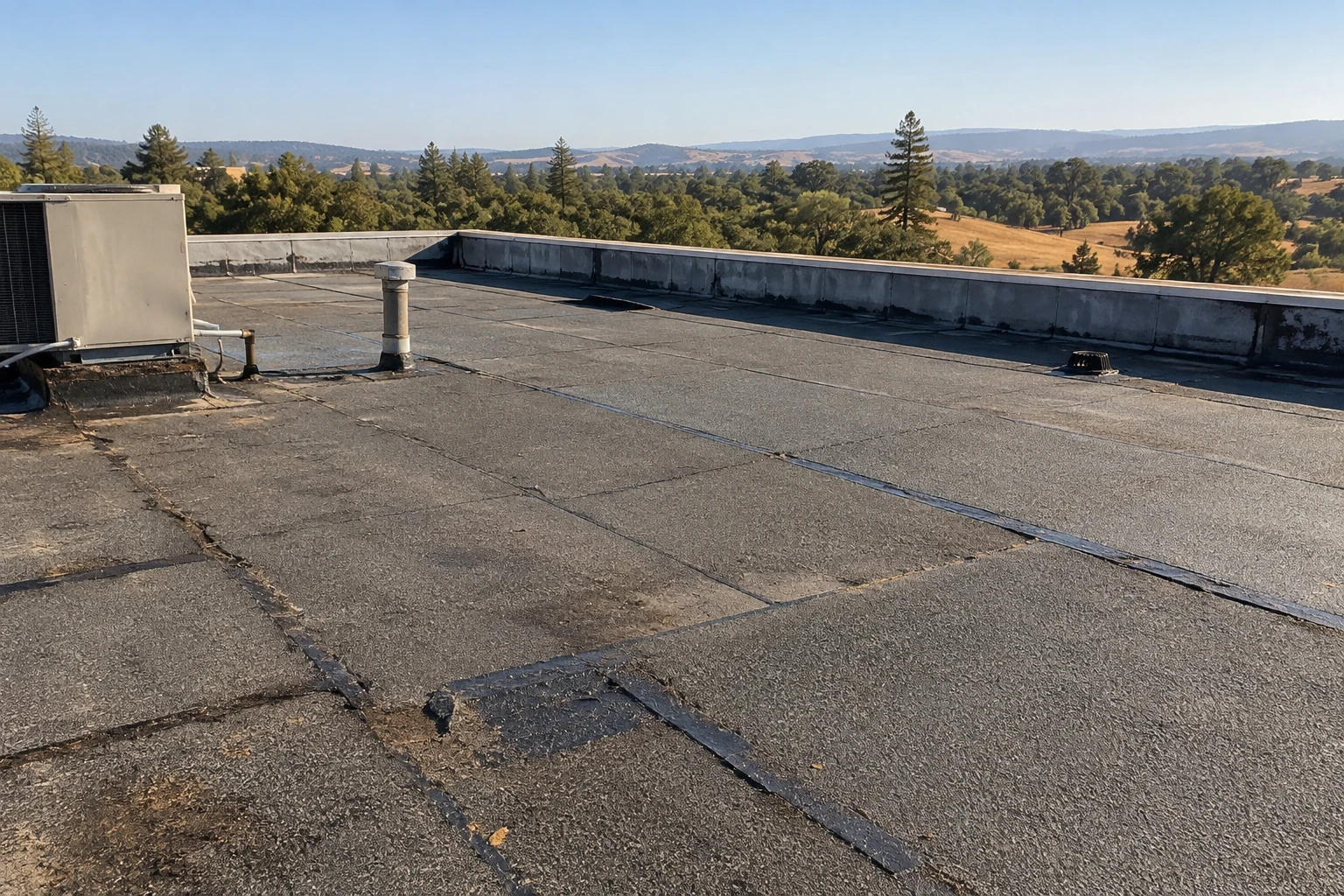
Built-Up Roofing
Inspect built-up roofing in Roseville, CA for surfacing loss, ply separation, moisture, drainage, repair options, and replacement scope.
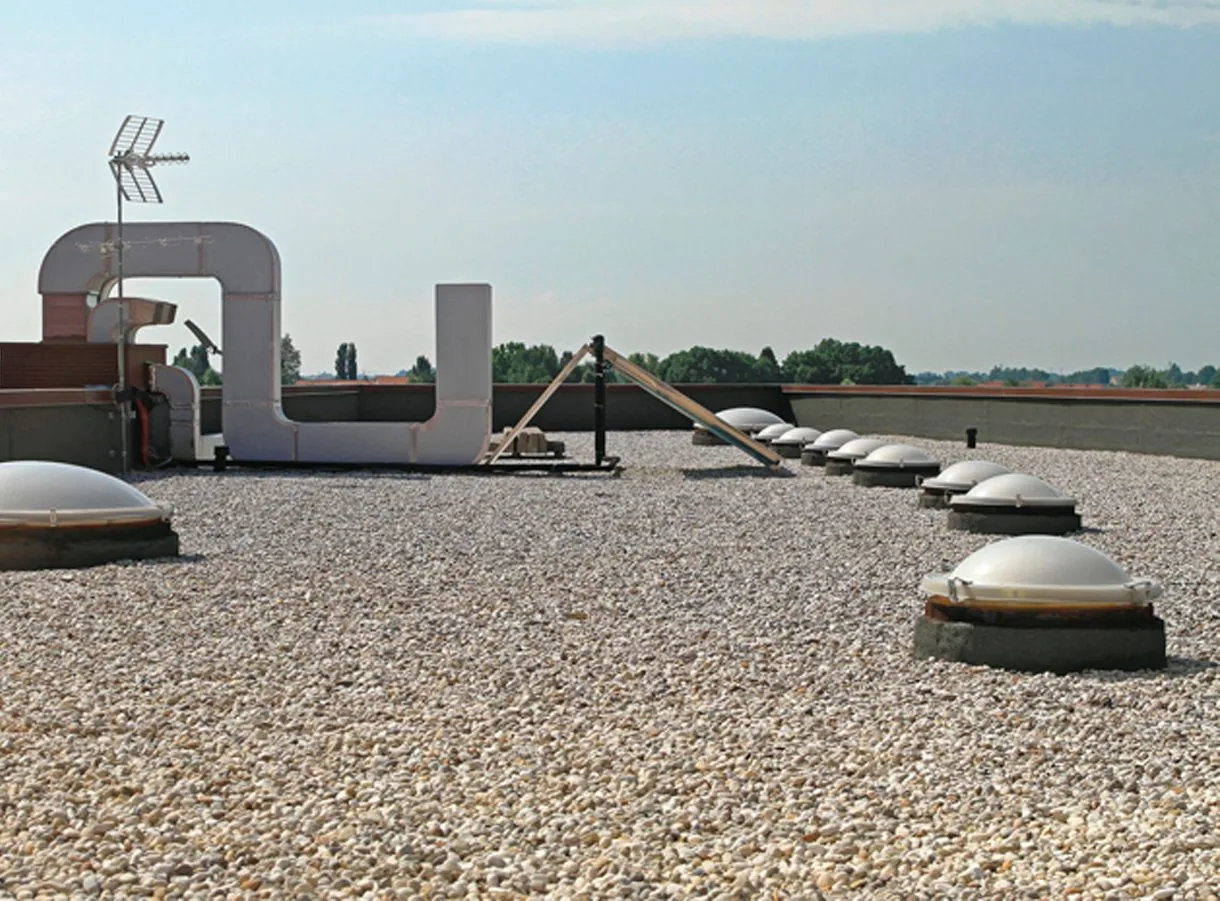
Standing Seam Metal Roofing
Assess standing seam metal roofing in Roseville, CA for panel movement, fasteners, clips, flashing, drainage, repair options, and retrofit needs.
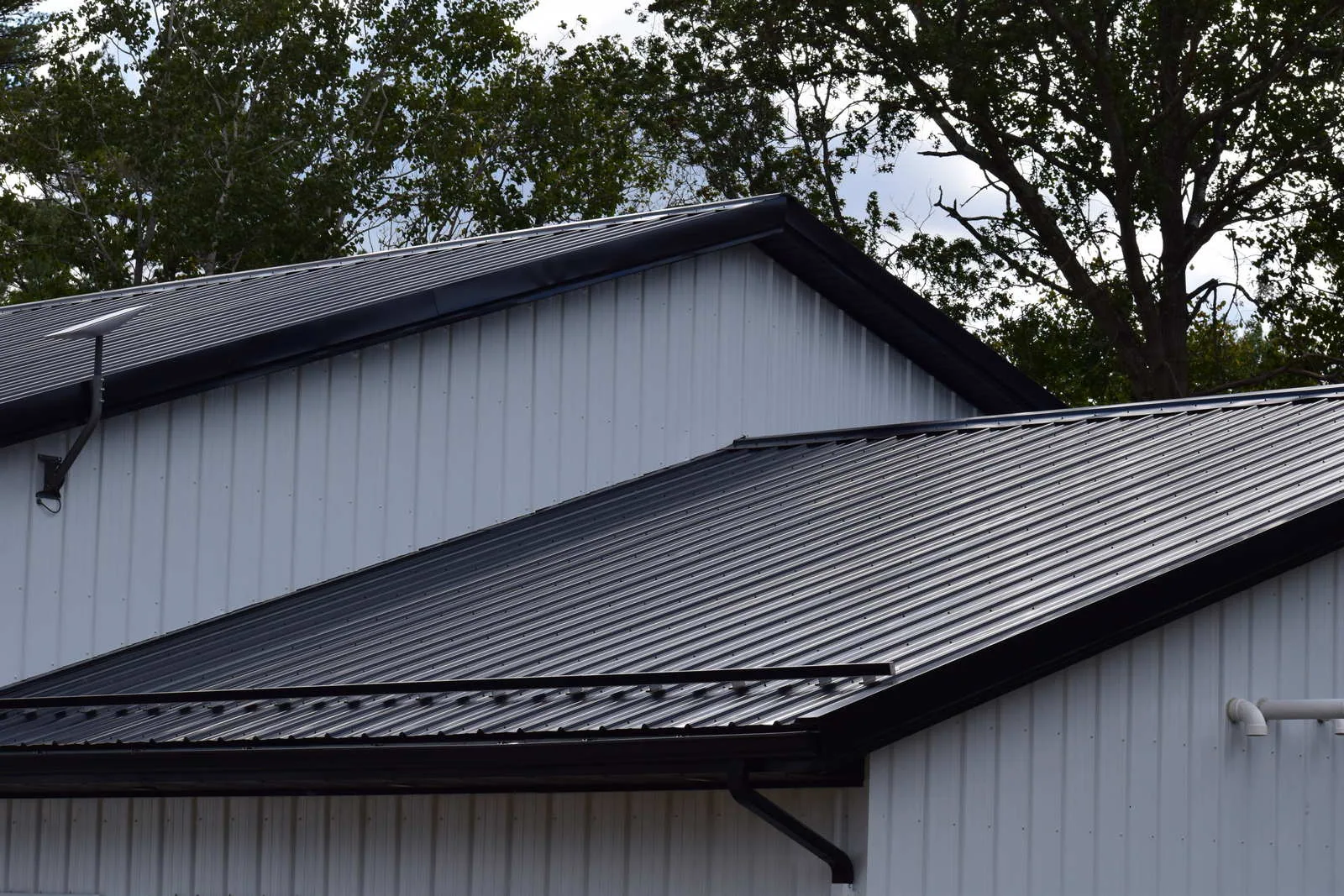
Metal Roof Retrofit
Evaluate metal roof retrofit in Roseville, CA through panel condition, fasteners, seam details, insulation, drainage, and recover feasibility.
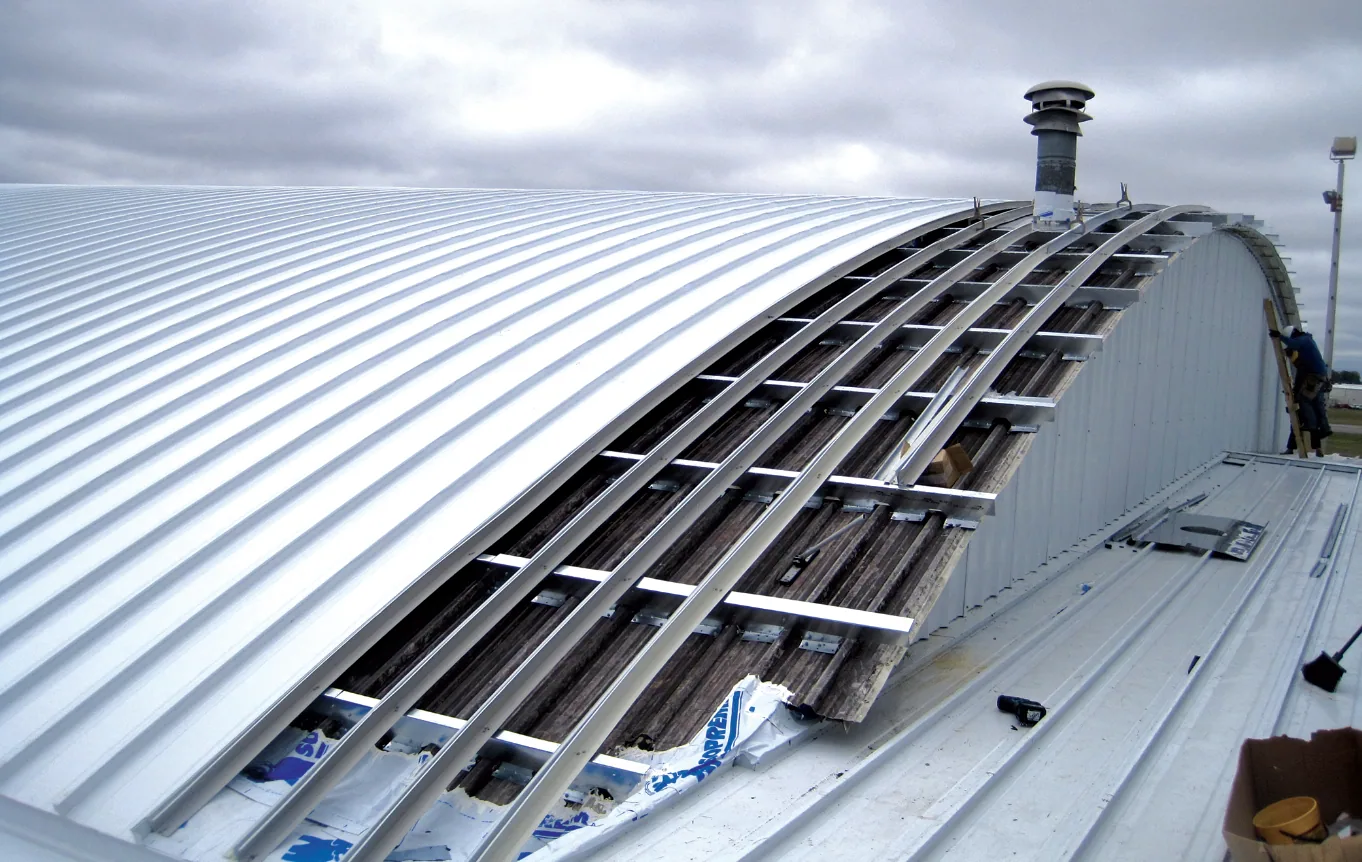
Spray Polyurethane Foam Roofing
Inspect spray polyurethane foam roofing in Roseville, CA for coating wear, moisture, drainage, adhesion, repairs, and recoat timing.
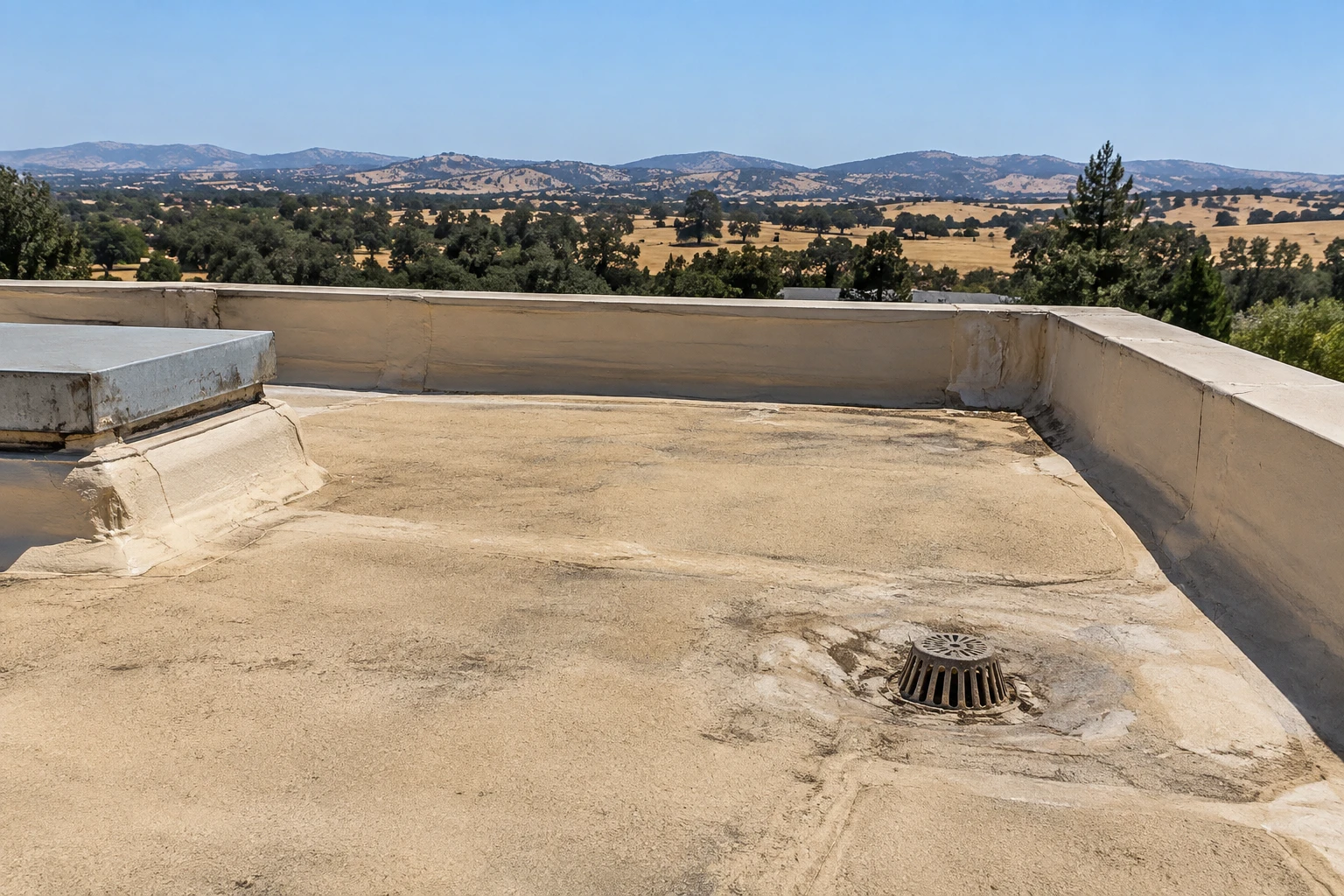
Silicone Roof Coatings
Evaluate silicone roof coatings in Roseville, CA for substrate condition, ponding, adhesion, preparation, application limits, and maintenance.
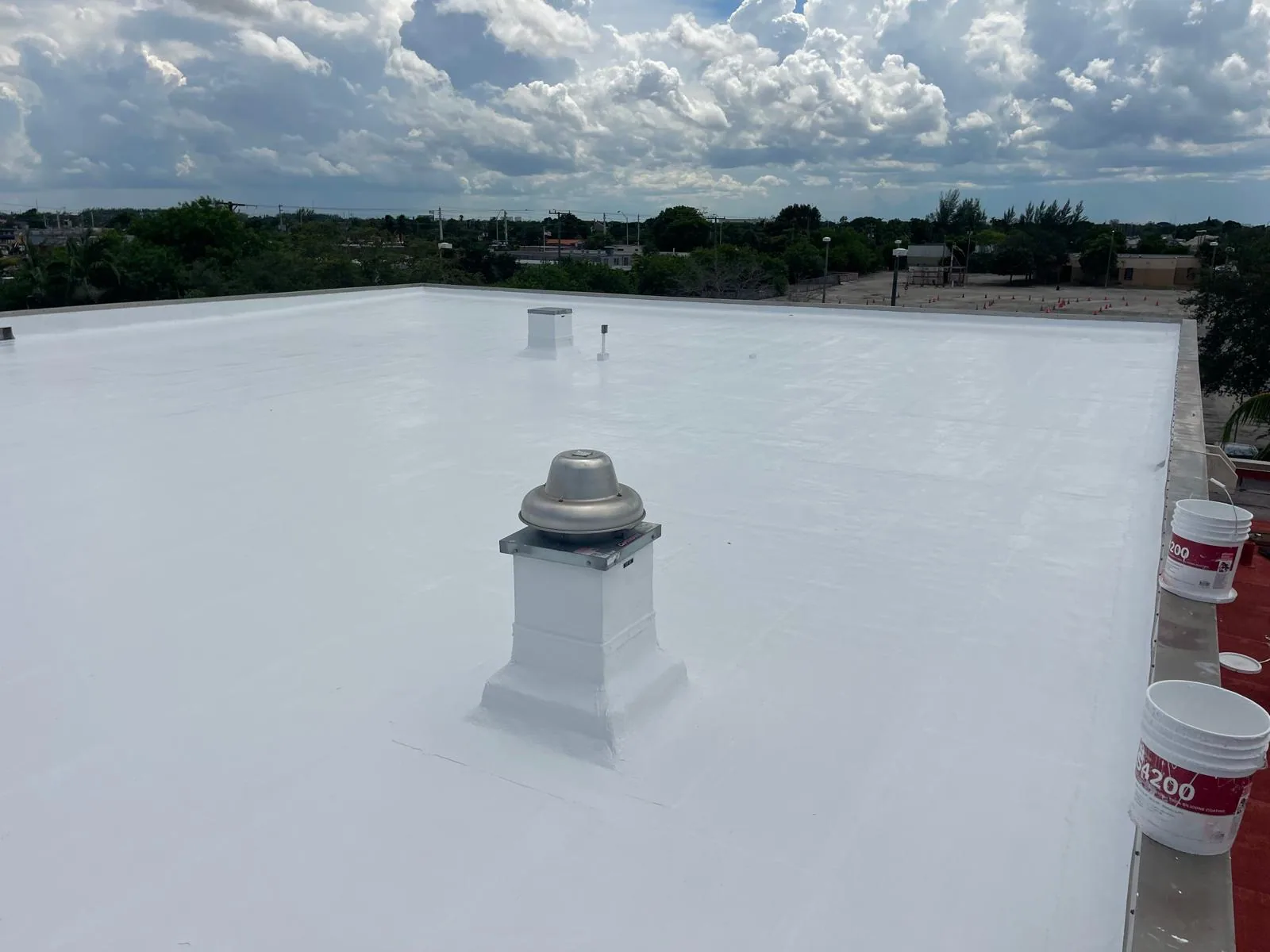
Acrylic Roof Coatings
Assess acrylic roof coatings in Roseville, CA for dry-weather application, substrate adhesion, drainage, repairs, and maintenance planning.
Roof Systems
A drain bowl that sits too high after insulation work can hold water at the membrane edge. System selection has to account for details like that, not just the field sheet. We inspect the existing assembly, identify its substrate and attachment, then compare compatible repair or replacement options. Roseville's long hot season and concentrated winter rain make seams, penetrations, and drainage part of the material decision.
More About Roof Systems
Membranes: compare the assembly, not the label
Single-ply systems use different materials and seam methods. A TPO roof and a PVC roof may look similar from the ground, but repair preparation and compatibility matter. EPDM and KEE also have their own surface and flashing requirements. We confirm what is installed before setting a repair or overlay scope.
Modified bitumen and built-up roofing use layered assemblies with different surfacing and repair details. Modified bitumen may be maintained or repaired with methods suited to its plies and flashing. A built-up roof needs attention to aggregate, membrane layers, and drain details. The right question is whether the existing roof can take another repair or layer without hiding moisture or leaving weak transitions.
Details: check the surface and the tie-in
We inspect seams, penetrations, curbs, perimeter edges, drains, and prior patches. If a material is uncertain, we check field markings and available records before choosing a compatible repair. A standing-seam metal roof needs a different detail review than a low-slope membrane; a metal retrofit also changes how the new assembly attaches and drains.
North Industrial covers a mapped area west of Washington Boulevard, while Atlantic Street, Douglas-Harding, and Douglas-Sunrise have distinct commercial corridor plans. Those areas include different property contexts, but the roof decision follows the building's actual use and assembly. We map the condition and note access, equipment, and any tie-ins that may change the work window.
Project review: account for local requirements
Roseville's current building-safety criteria incorporates state standards for building design and energy use. Confirm the rules that govern the proposed assembly before selecting materials. We identify substrate, insulation, attachment, edges, and drainage in the roofing scope so those details can be reviewed together.
Regulated construction, alteration, or repair may require a permit unless an exemption applies. Roseville accepts permit applications and technical documents through a digital process. The scope should name the materials, roof sections, and detail changes under review, then keep any required submittals attached to the same project record.
Restoration: know what stays in place
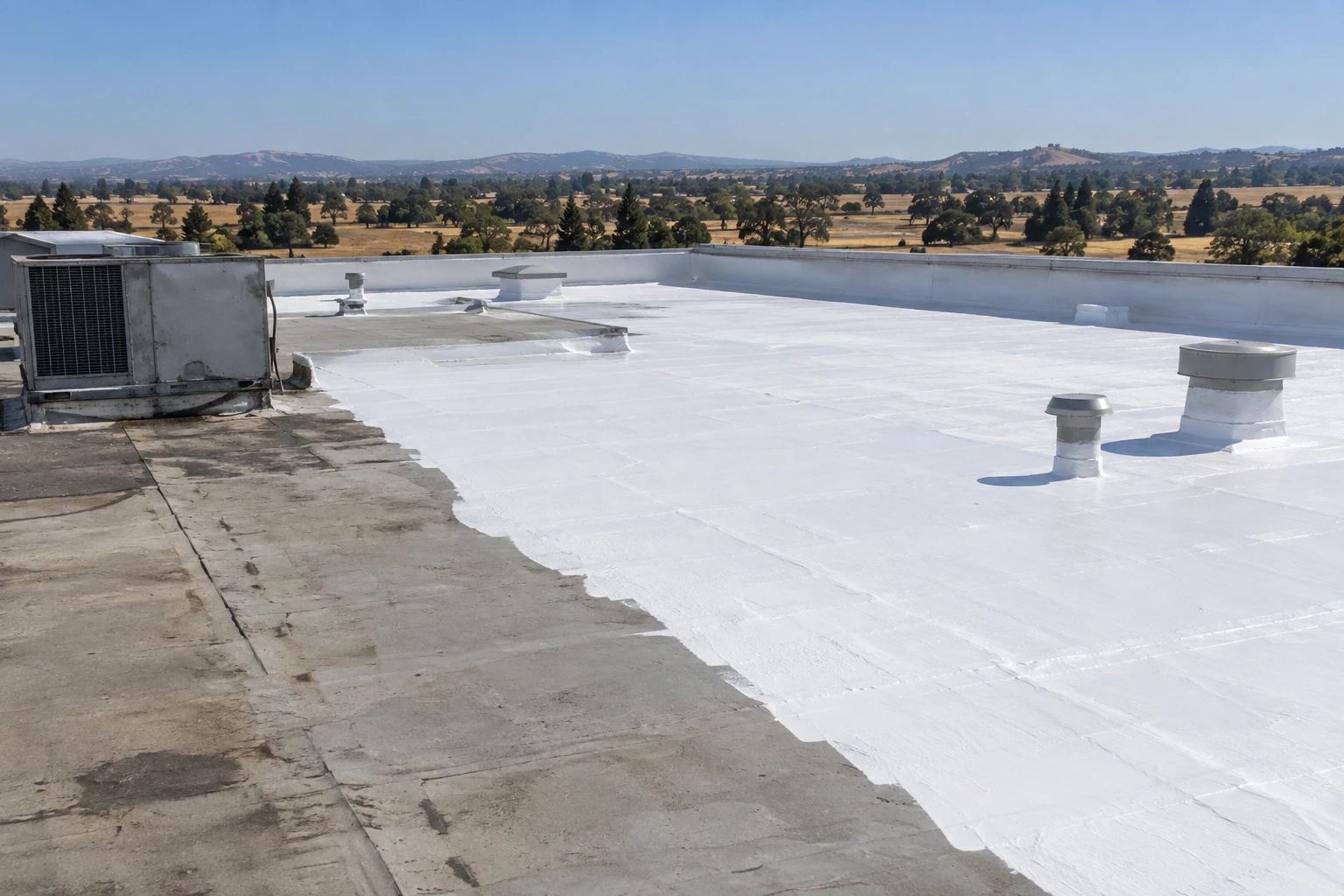
Coatings can restore an existing roof when the surface, adhesion, drainage, and details support the system. Silicone and acrylic products are not interchangeable, and neither corrects a failed deck or buried moisture. Silicone coating and acrylic coating should be compared after cleaning, testing, and detail review. Spray foam is another assembly with its own substrate and protective coating requirements.
A recover retains existing layers only when the assembly is dry and secure and the new height can be handled at edges and drains. Replacement exposes the roof layers but affects staging, disposal, and schedule. We explain which components remain, where the tie-in falls, and how closeout will be checked.
System choice: Choose a system from the roof record
Bring roof plans, past repair records, and any known system information. We will map the roof, photograph details, and identify compatibility or moisture questions before presenting options. A proposal should cover insulation, attachment, membrane, flashing, edges, drainage, and access. For a property in Roseville, this connects the system choice to its climate and operating needs.
Commercial Roofing Questions
Can a new membrane go over the existing roof?
A recover may be suitable when the layers are dry, secure, and compatible with the added height. We inspect moisture, attachment, edges, and drains before including an overlay.
How do you identify an existing roof system?
We inspect field seams, surface, flashings, and markings, then compare them with available roof records. If the assembly remains uncertain, we identify what needs confirmation before specifying materials.
Does a coating fix ponding water?
Coating does not correct slope, a blocked drain, or a structural concern. We trace the drain path and assess the substrate before deciding whether restoration belongs in the scope.
What details should a replacement specification include?
Include insulation, cover board, attachment, membrane, perimeter securement, flashings, drainage, and equipment transitions. The tie-in and closeout checks should also be clear.
Related Roofing Pages
Jump to another section of the site.
Plan the Roof Work for Your Building
Tell us about the building and what you are seeing on the roof. 555-555-5555