Property Types We Roof
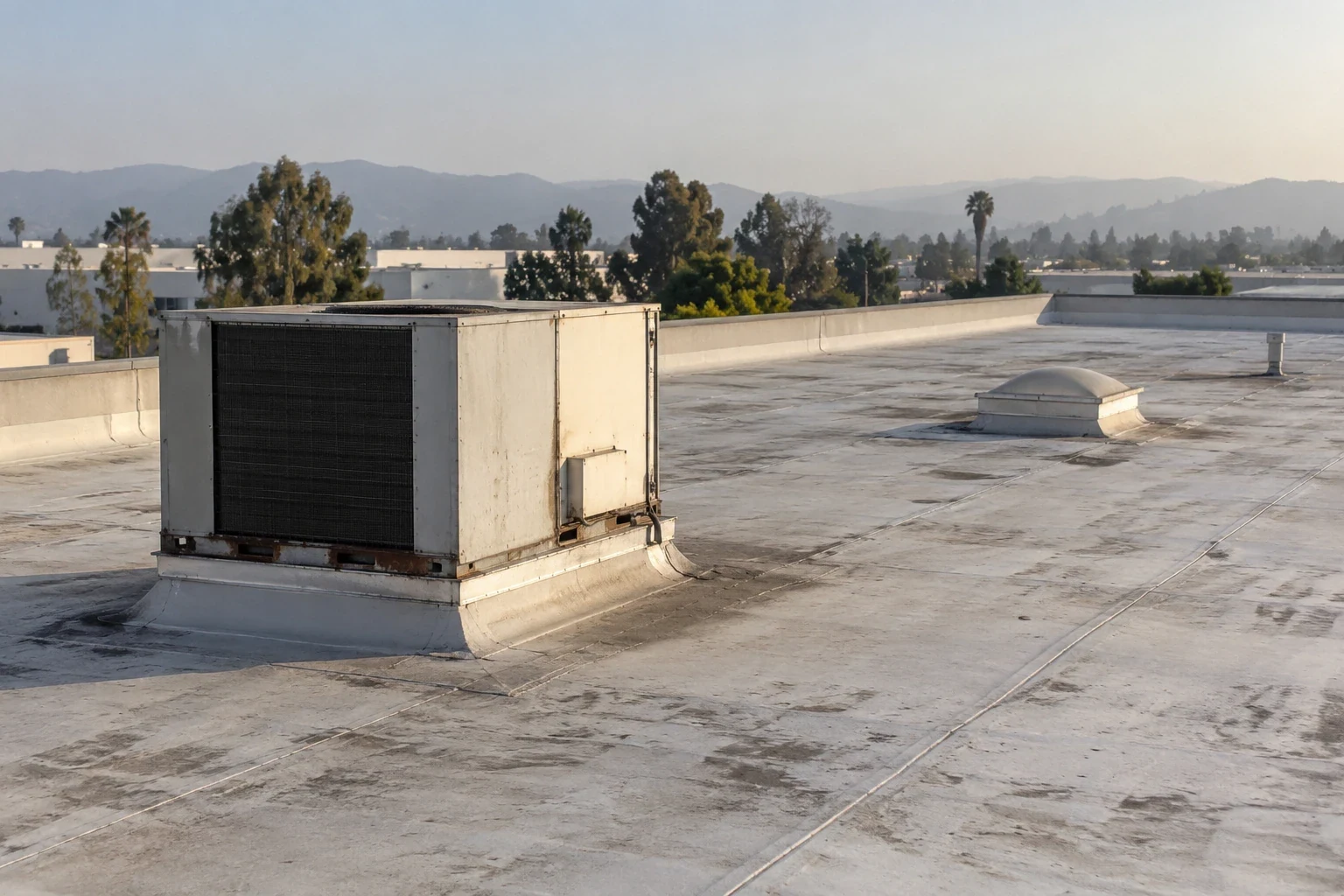
Warehouse Roofing
Plan warehouse roofing in Roseville, CA around roof condition, loading schedules, drains, rooftop equipment, repair choices, and replacement phasing.
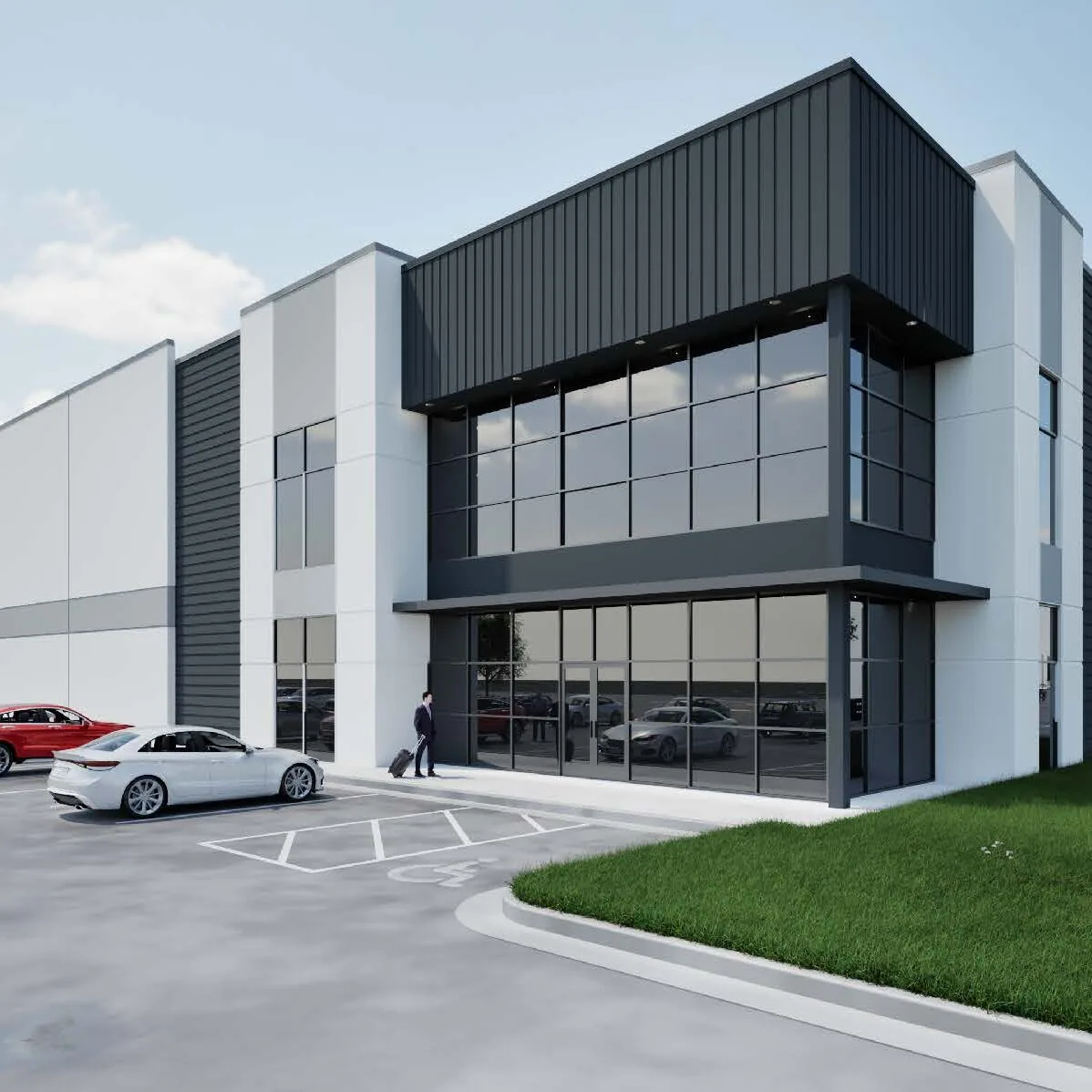
Distribution Center Roofing
Coordinate distribution center roofing in Roseville, CA around dock schedules, roof access, drainage, leak response, and replacement phasing.
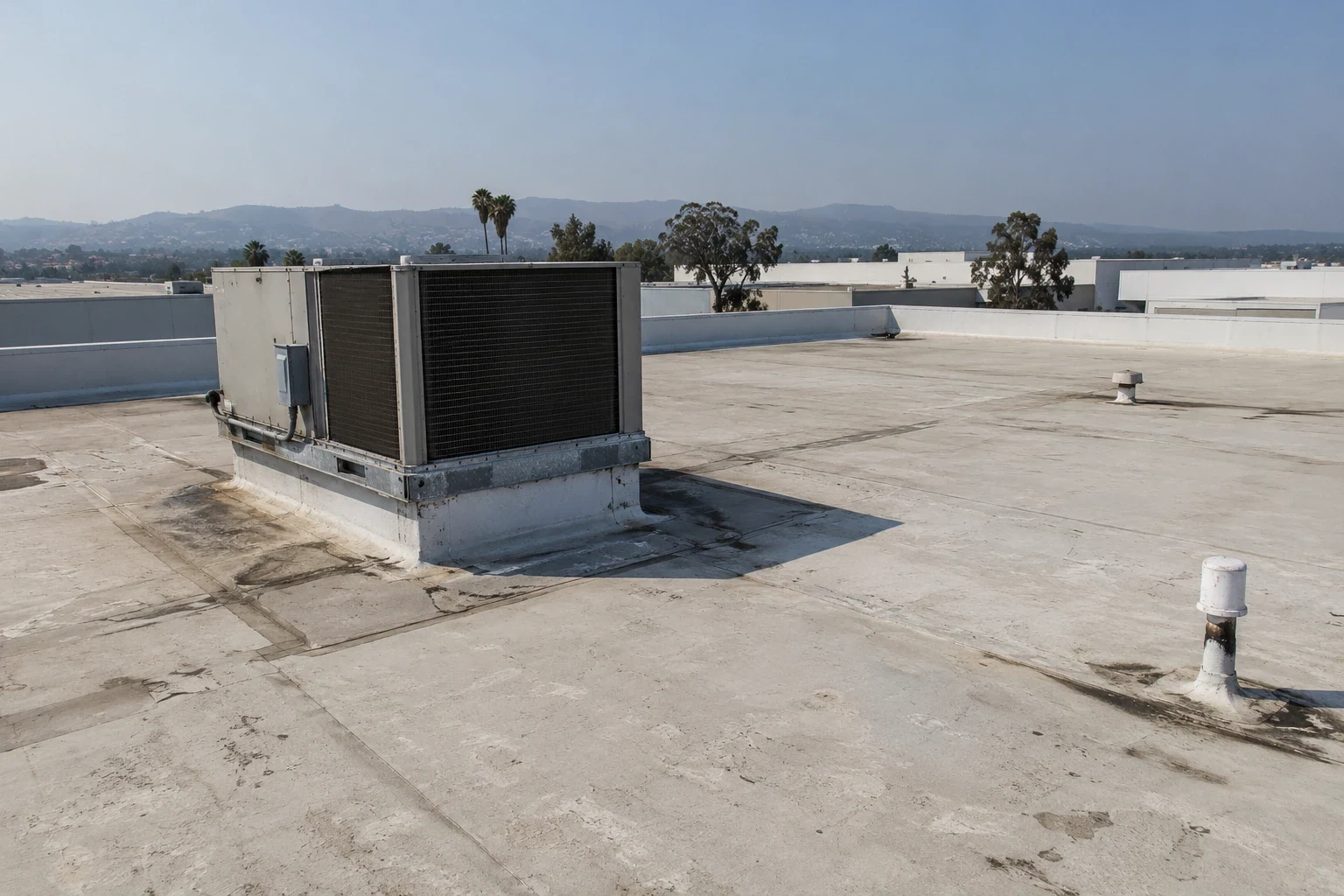
Manufacturing Plant Roofing
Plan manufacturing plant roofing in Roseville, CA around rooftop process equipment, chemical exposure, shutdown windows, leaks, and system repairs.
Cold Storage Roofing
Protect cold storage roofing in Roseville, CA with moisture control, insulated assembly review, drain checks, and carefully phased repairs.
Data Center Roofing
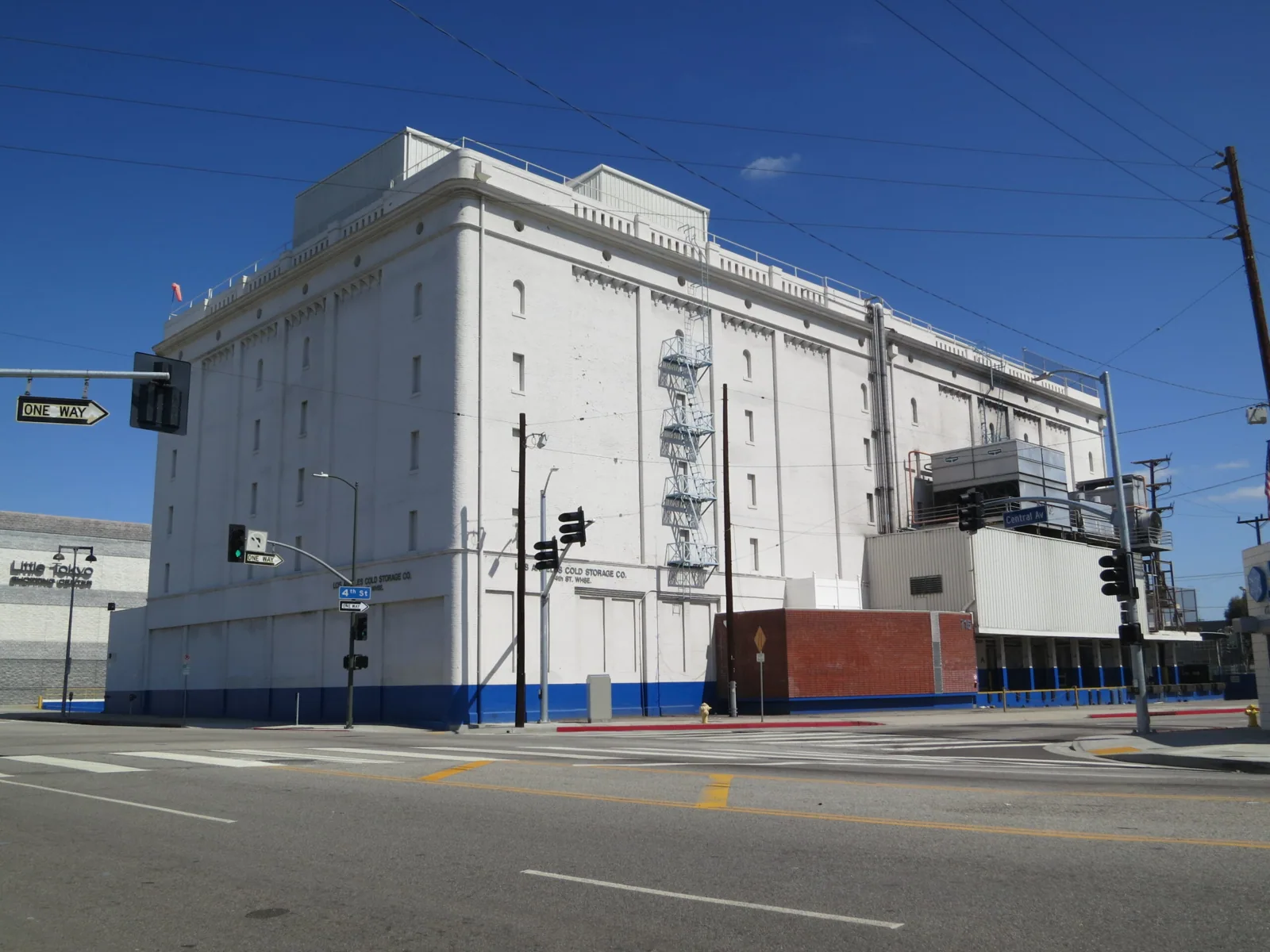
Plan data center roofing in Roseville, CA around uptime, rooftop cooling equipment, leak detection, drainage, redundancy, and access control.
Office Building Roofing
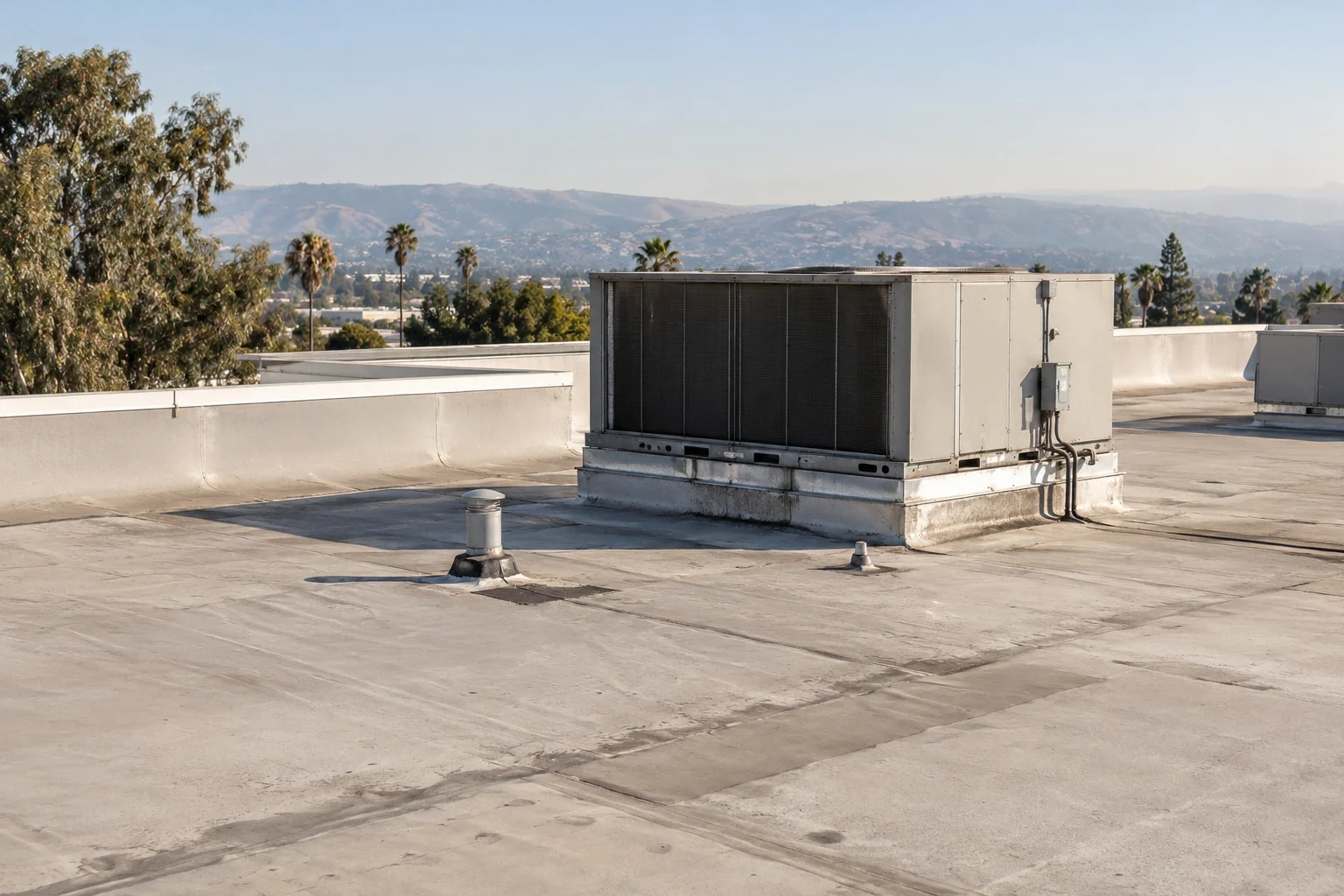
Manage office building roofing in Roseville, CA with leak tracing, tenant protection, rooftop equipment planning, and documented repair options.
Medical Office Roofing
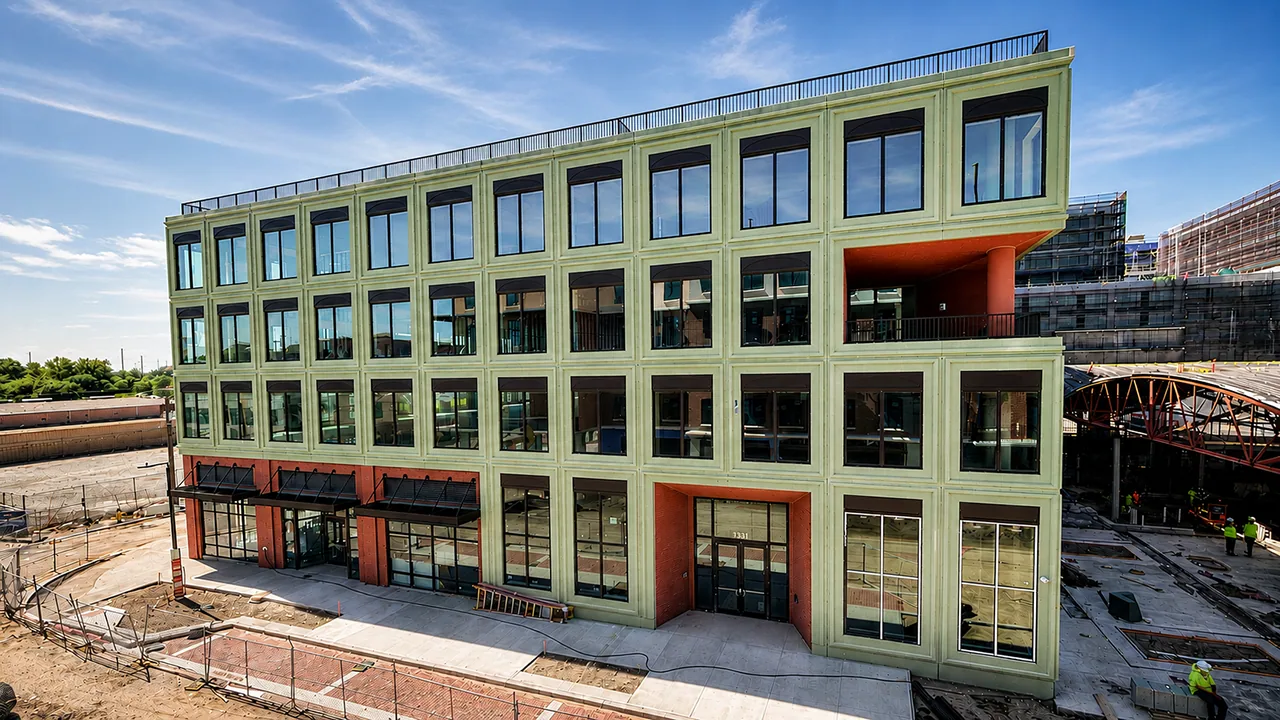
Plan medical office roofing in Roseville, CA around clinic hours, air intakes, roof leaks, equipment access, and controlled repair windows.
Hospital Roofing
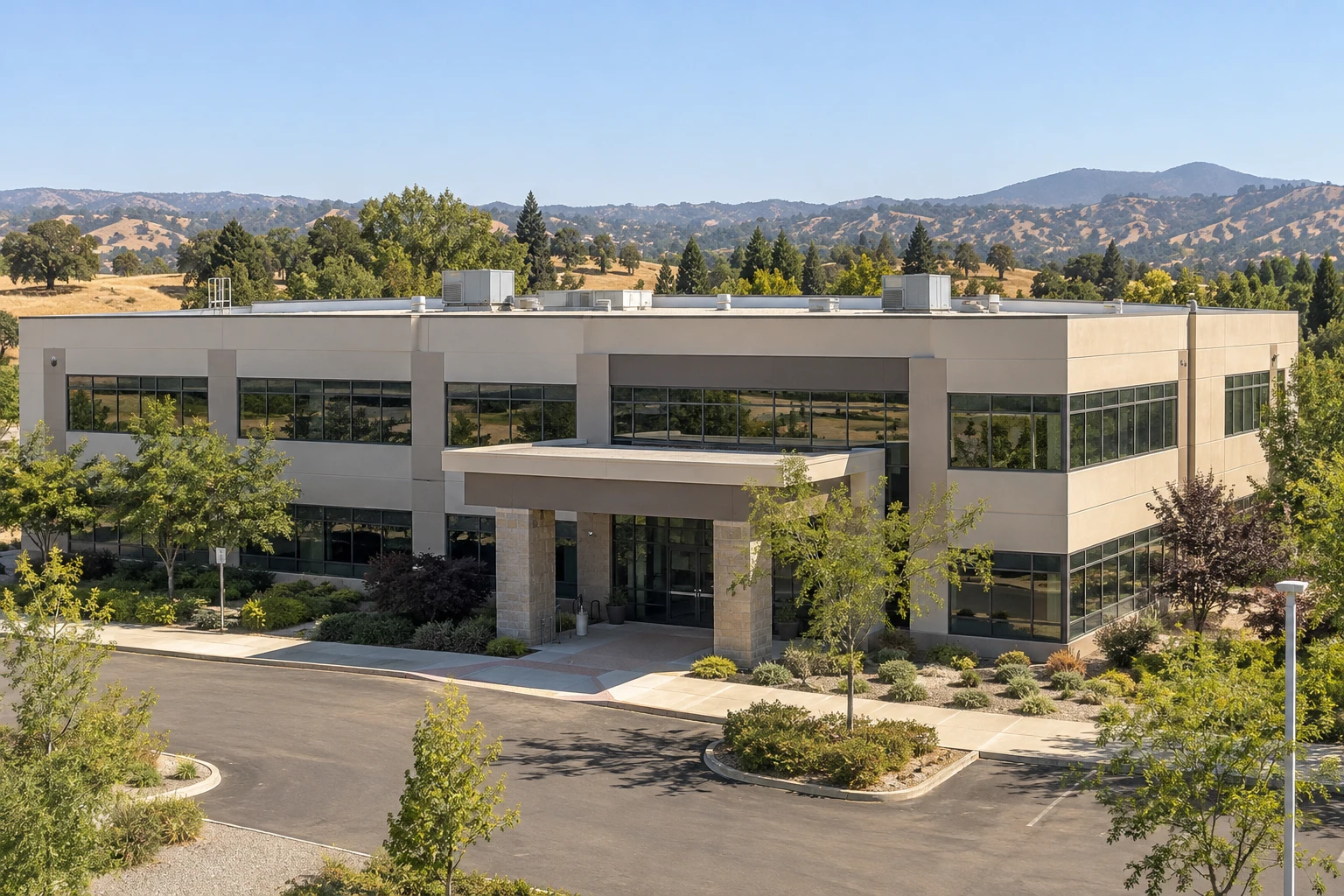
Coordinate hospital roofing in Roseville, CA around patient care, emergency access, air systems, rooftop equipment, and protected work zones.
School Roofing
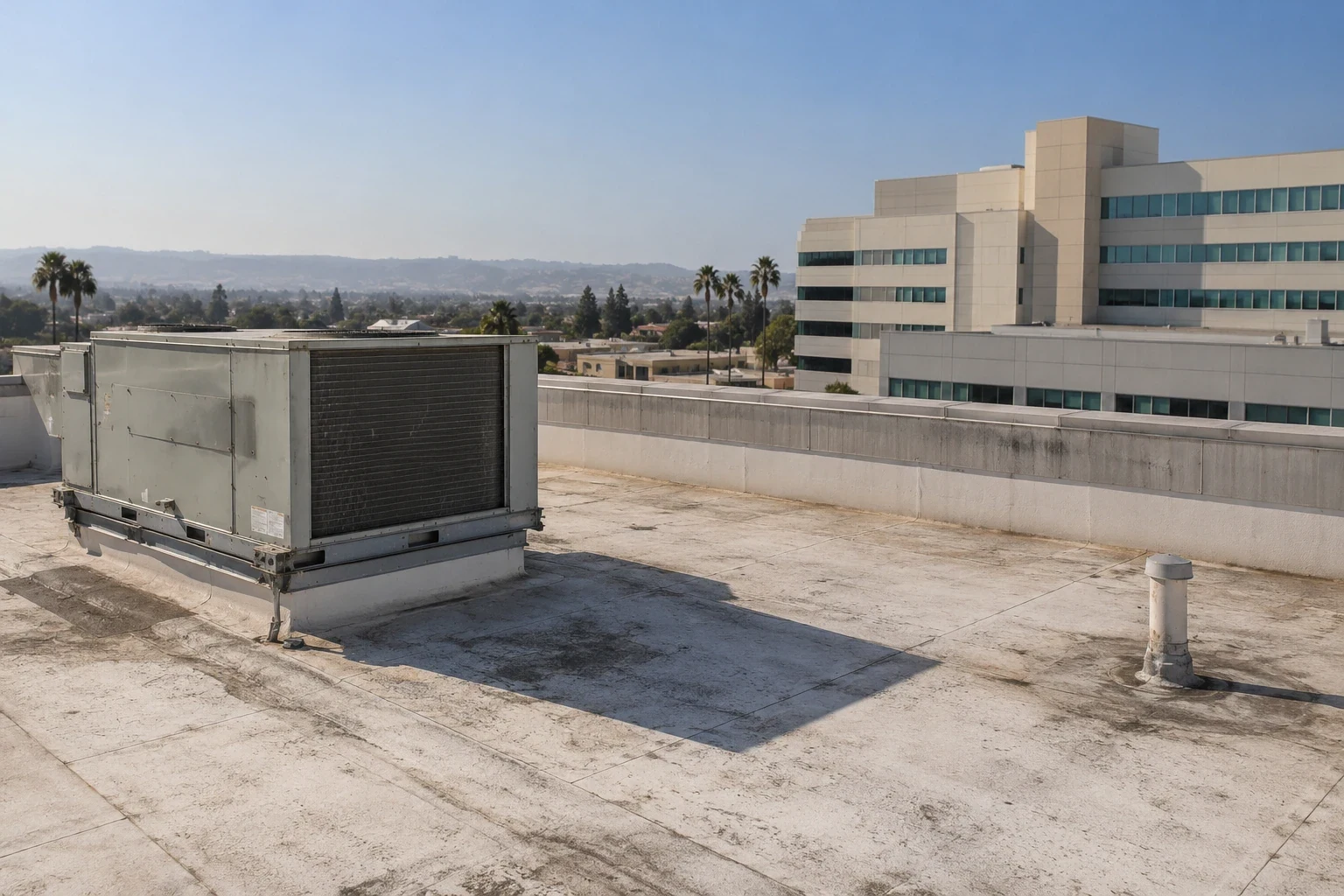
Coordinate school roofing in Roseville, CA around class calendars, occupied wings, roof access, drainage, and protected repair windows.
College and University Roofing
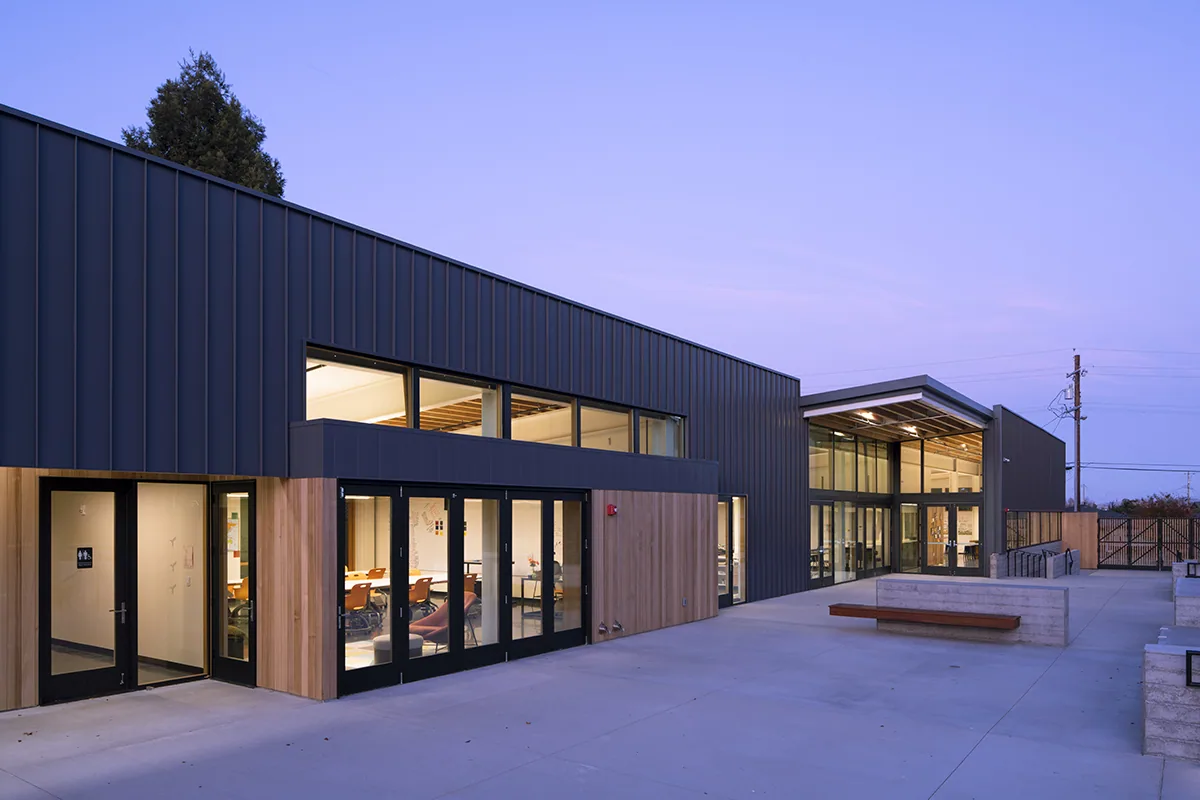
Plan college and university roofing in Roseville, CA around academic schedules, research spaces, student access, and roof system needs.
Shopping Center Roofing
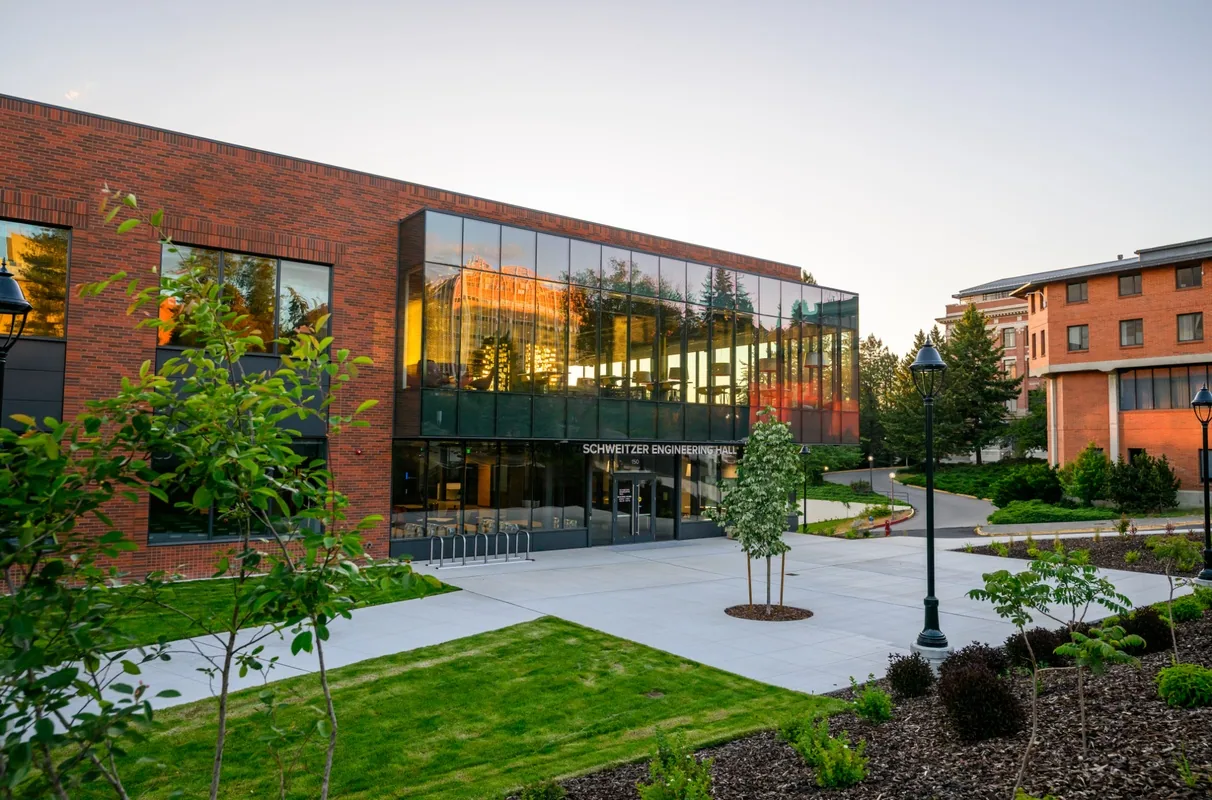
Manage shopping center roofing in Roseville, CA around tenant access, rooftop equipment, drainage, leak response, and phased repairs.
Big-Box Retail Roofing
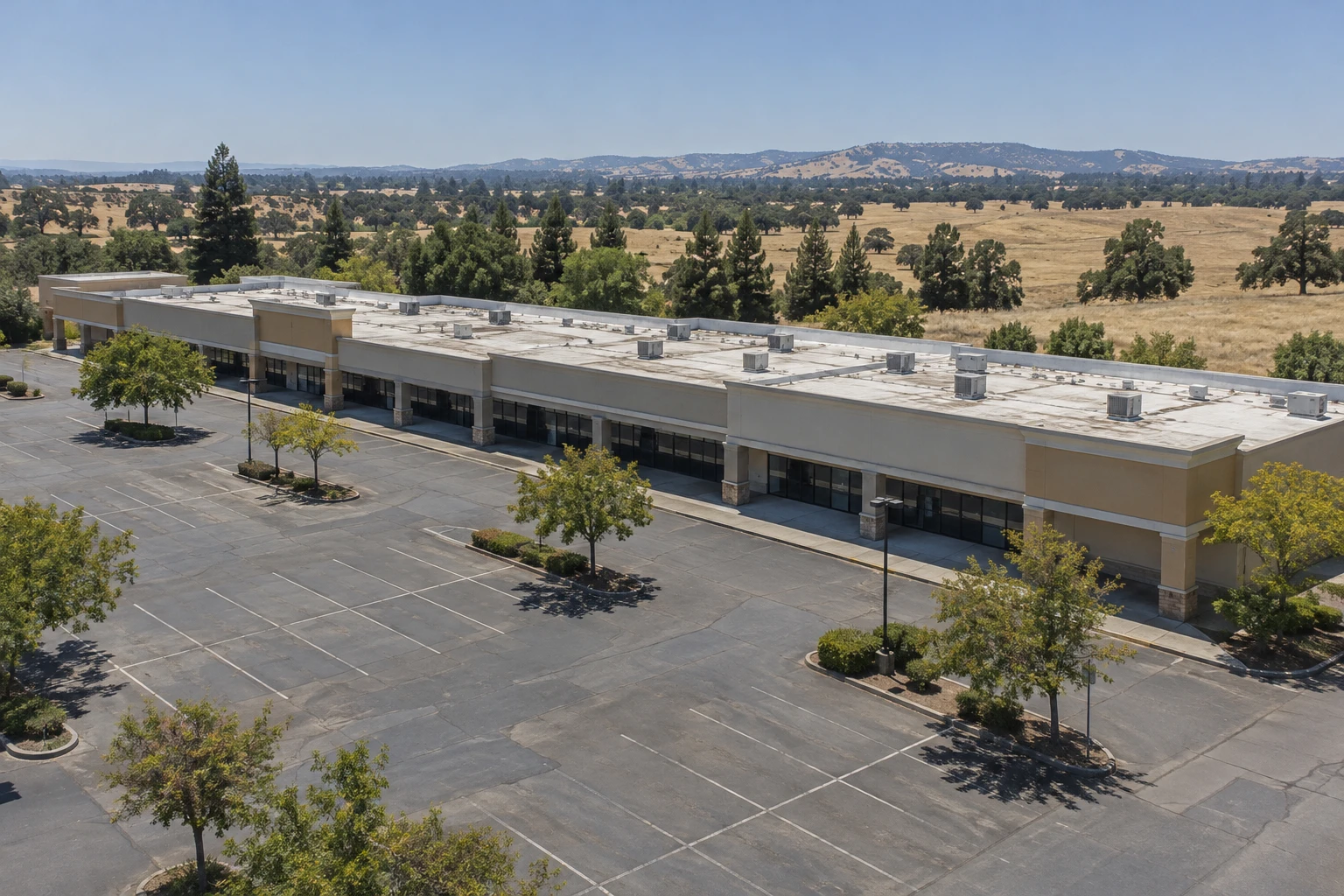
Coordinate big-box retail roofing in Roseville, CA around store hours, inventory protection, rooftop equipment, drains, and delivery access.
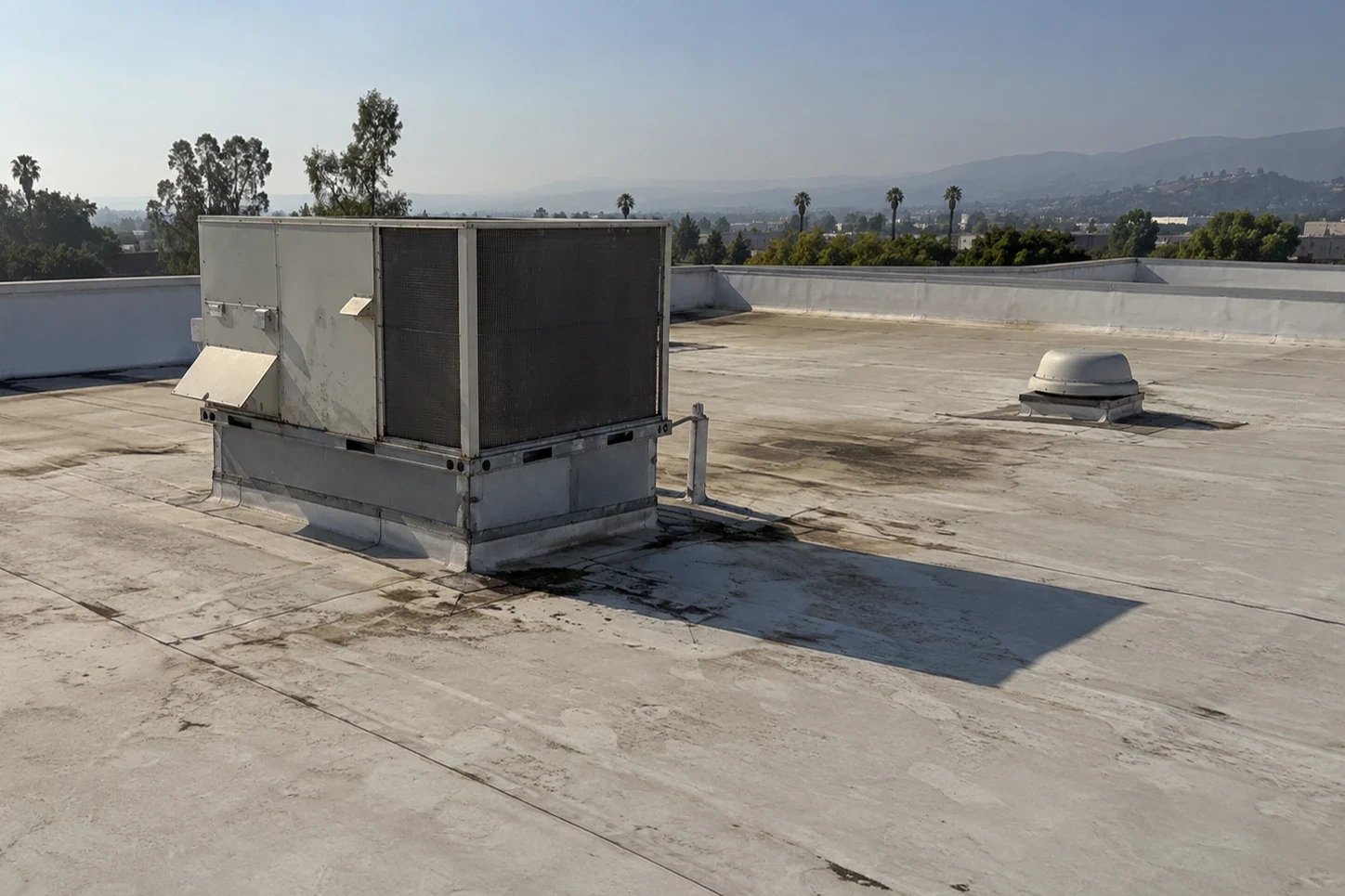
Grocery Store Roofing
Protect grocery store roofing in Roseville, CA with leak tracing, refrigeration-area coordination, drain reviews, and staged repairs.
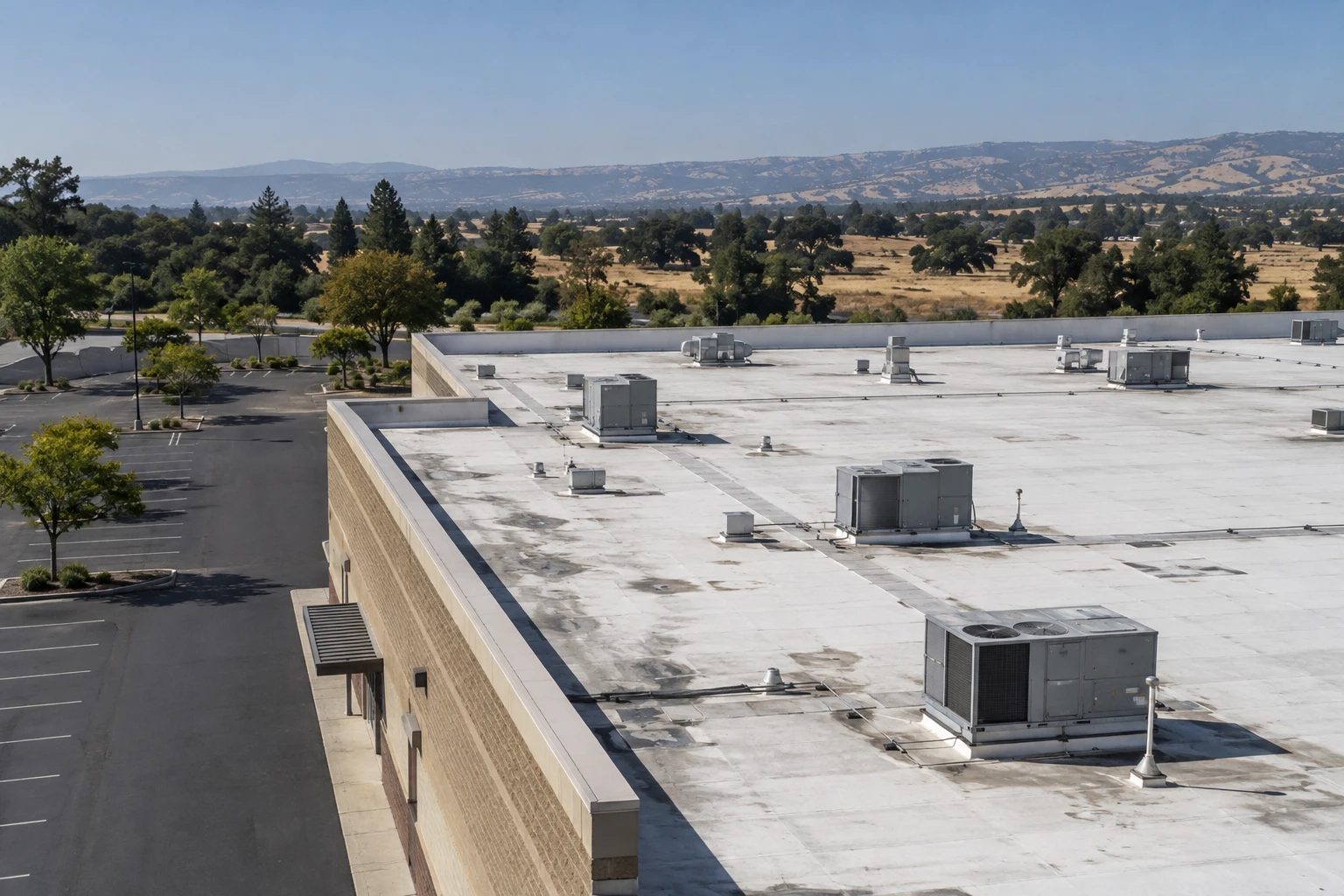
Restaurant Roofing
Restaurant roofing in Roseville, CA must protect dining, kitchens, refrigeration, and deliveries. We trace leaks and plan repairs around service hours.
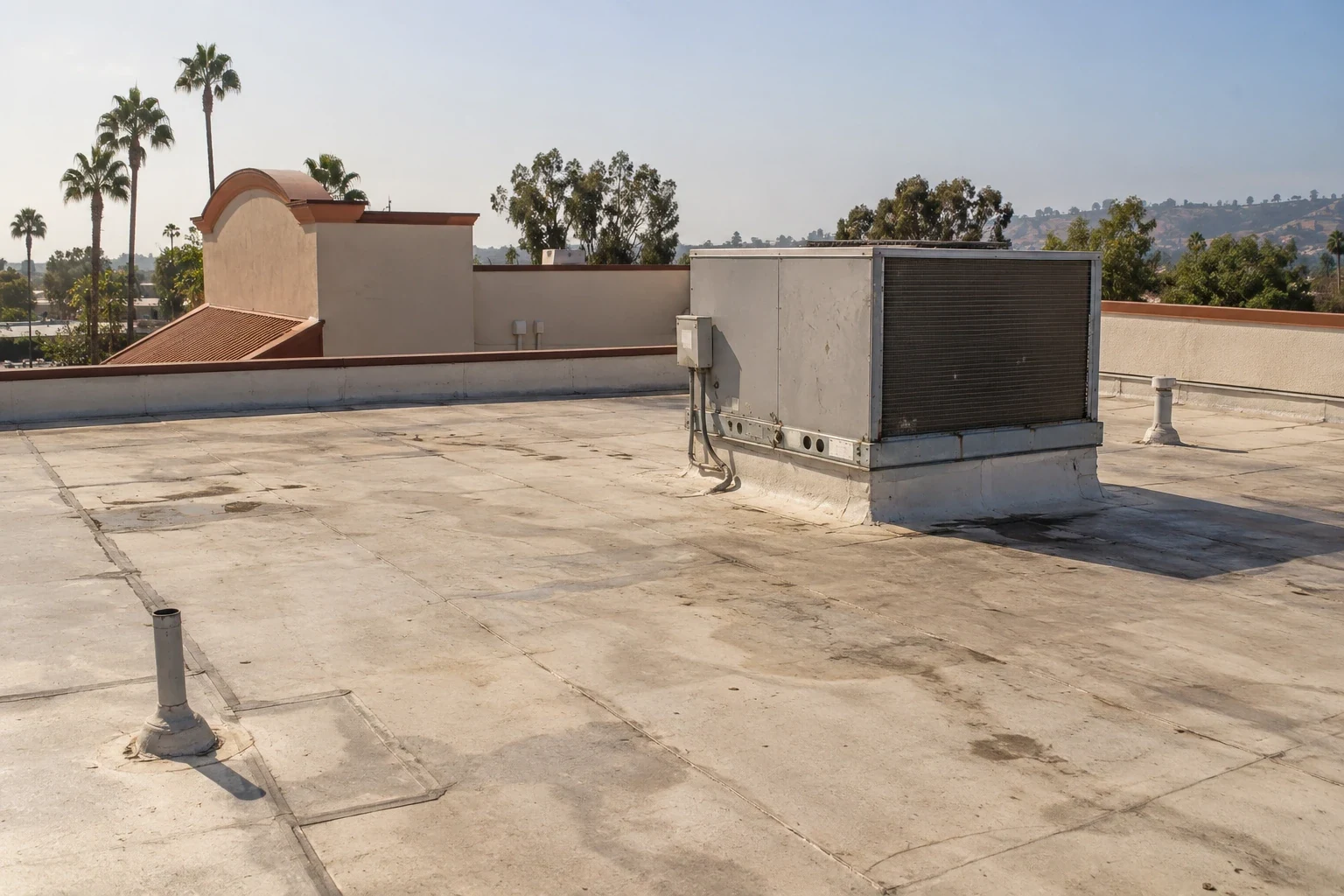
Hotel Roofing
Hotel roofing in Roseville, CA requires leak tracing, guest-area protection, and careful work windows. We document roof conditions and repair options.
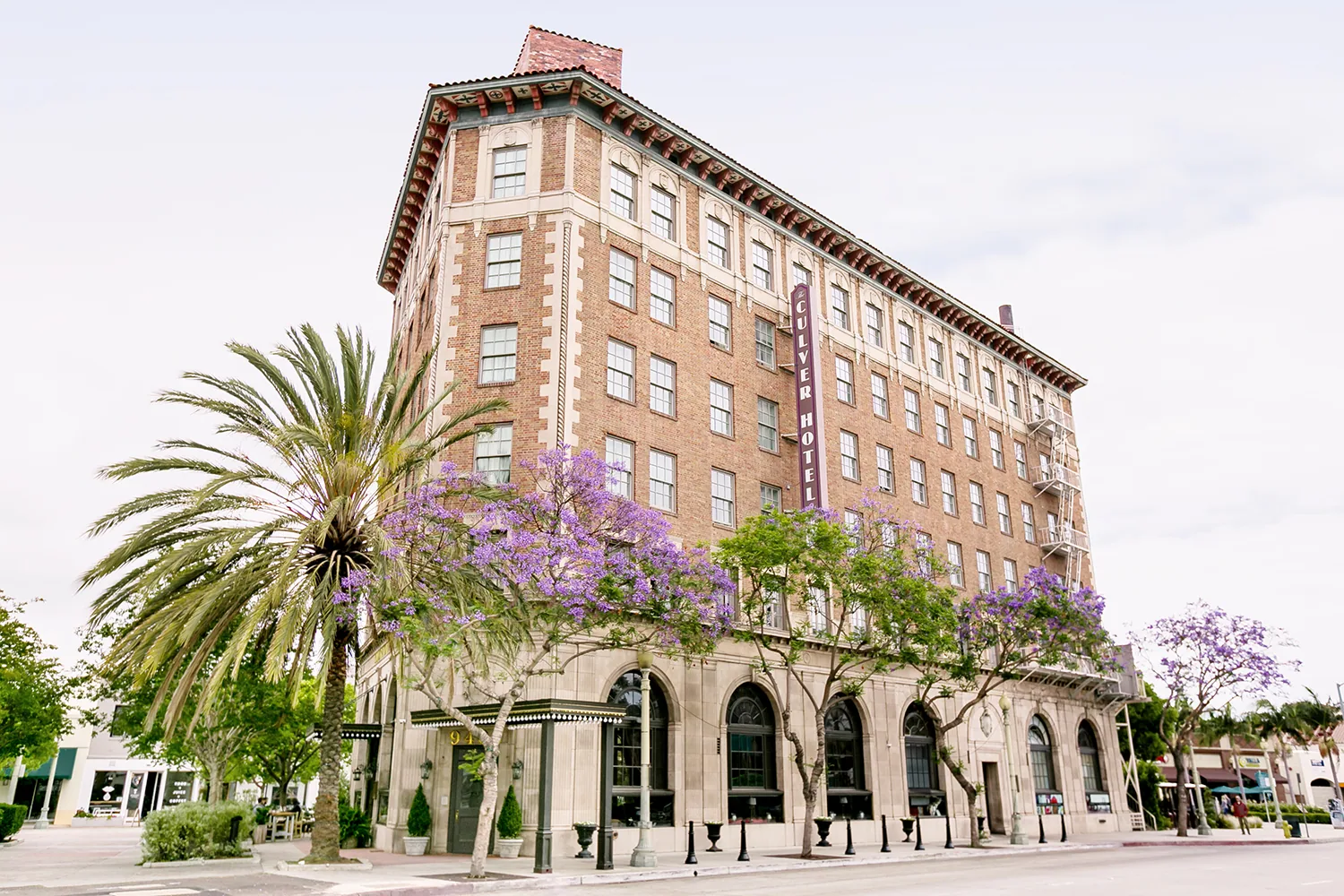
Apartment Roofing
Apartment roofing in Roseville, CA calls for clear resident access, leak records, and phased repairs. We document roof conditions and practical options.
Senior Living Roofs
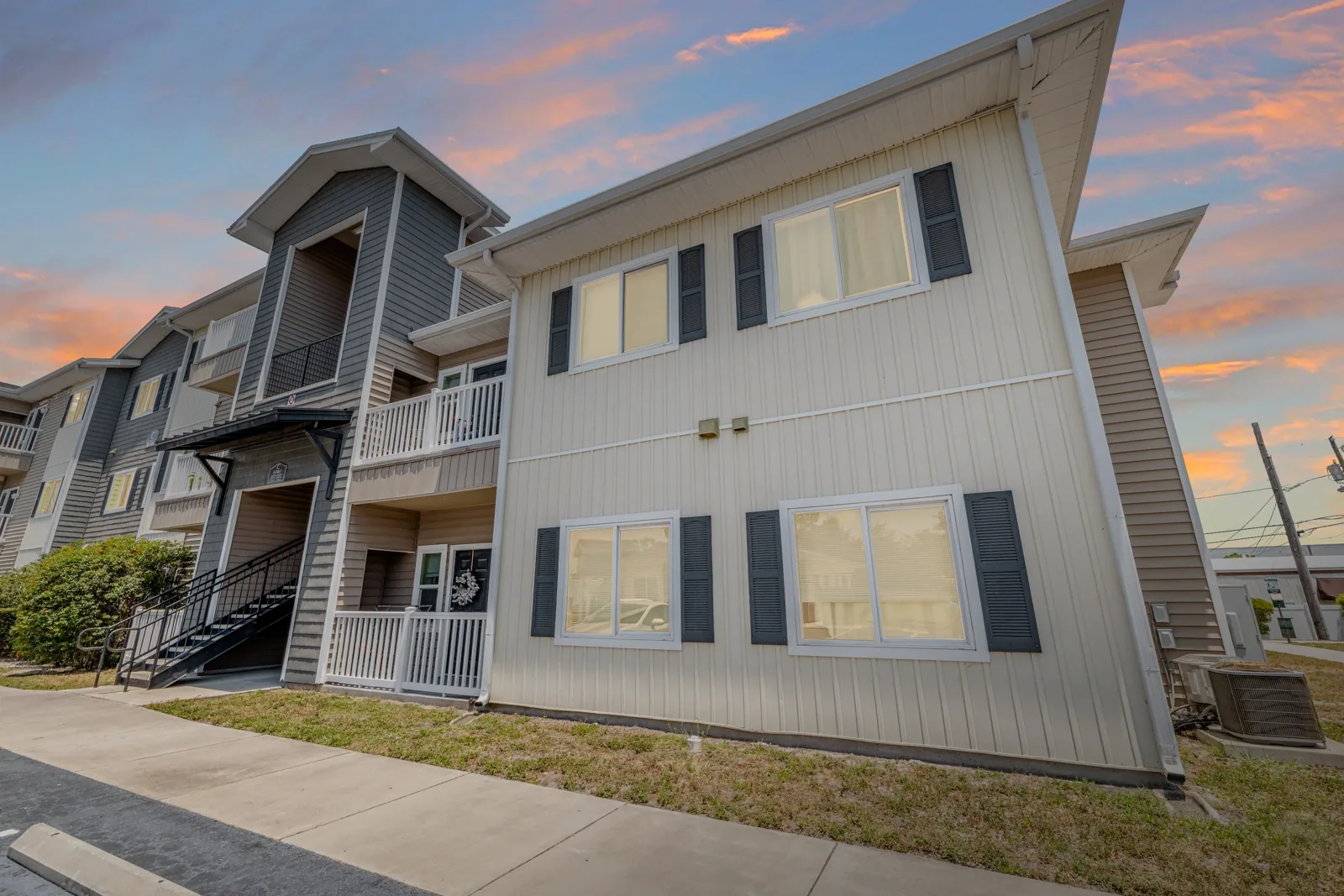
Senior living roof work in Roseville, CA must protect residents, staff, and care routines. We trace leaks, plan safe access, and phase repairs.
Church Roofing
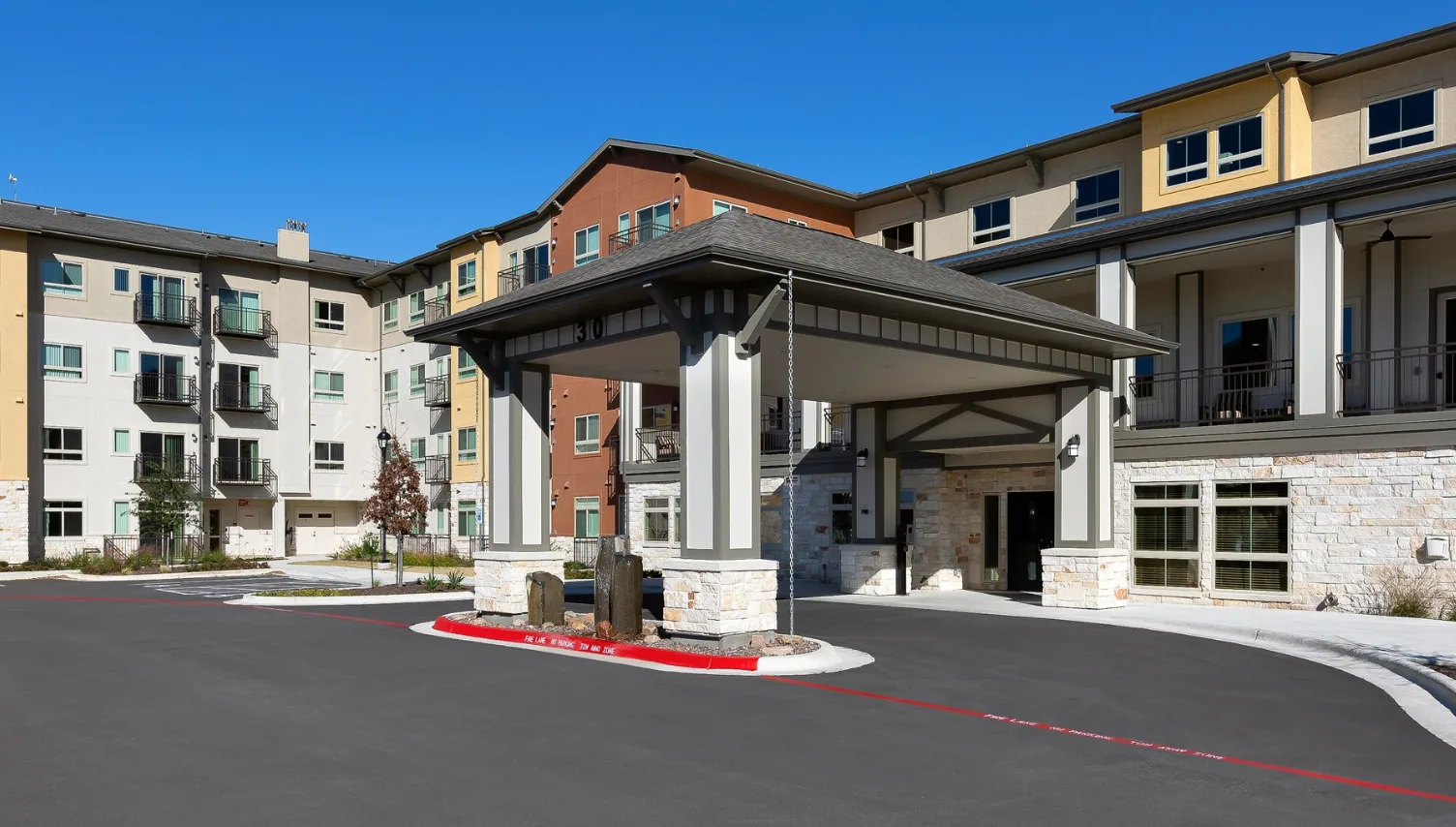
Church roofing in Roseville, CA requires careful leak tracing and event-aware scheduling. We document roof options around worship and community use.
Government Building Roofing
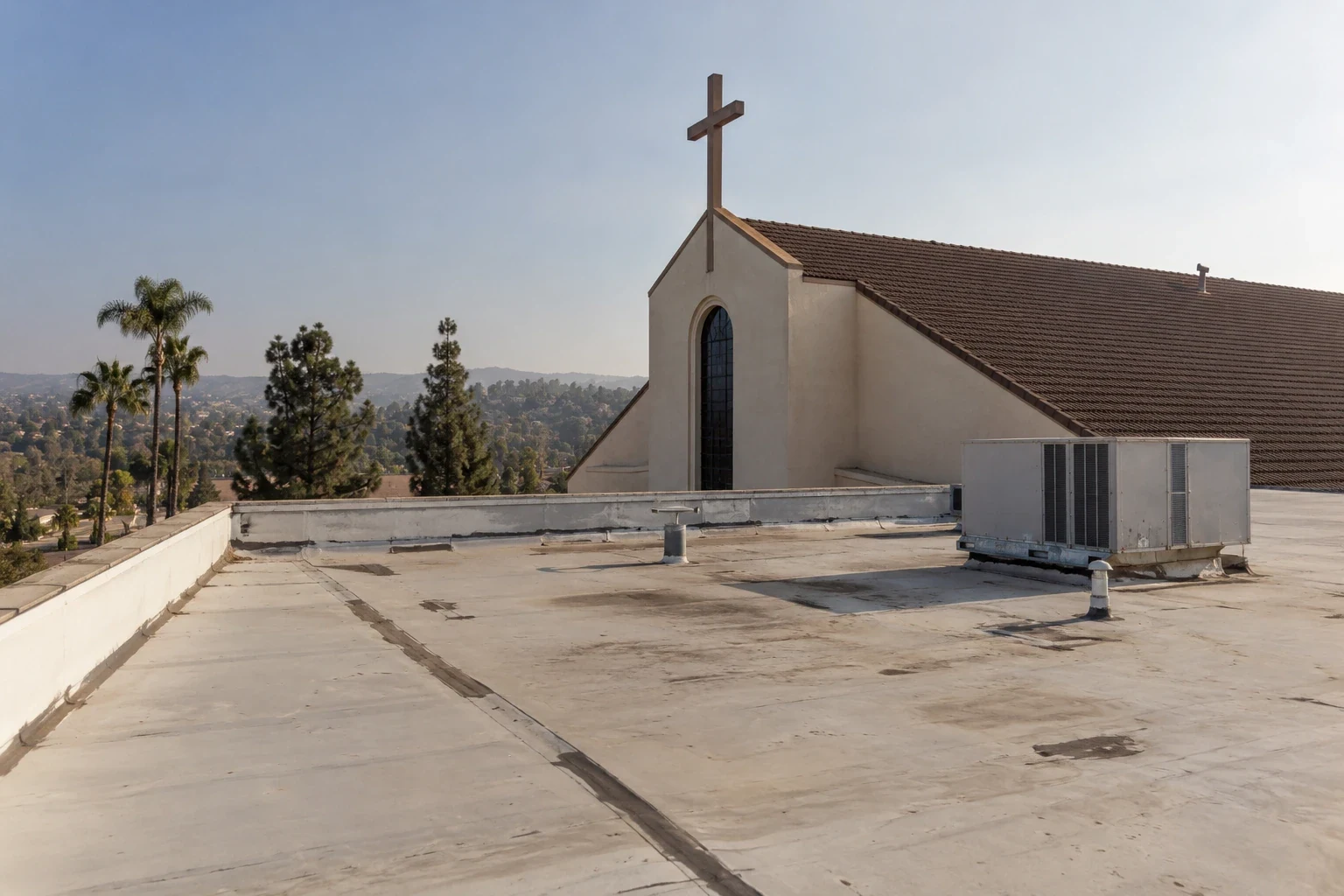
Government roof work in Roseville, CA must protect public access, records, and daily services. We trace leaks and document repair choices and phasing.
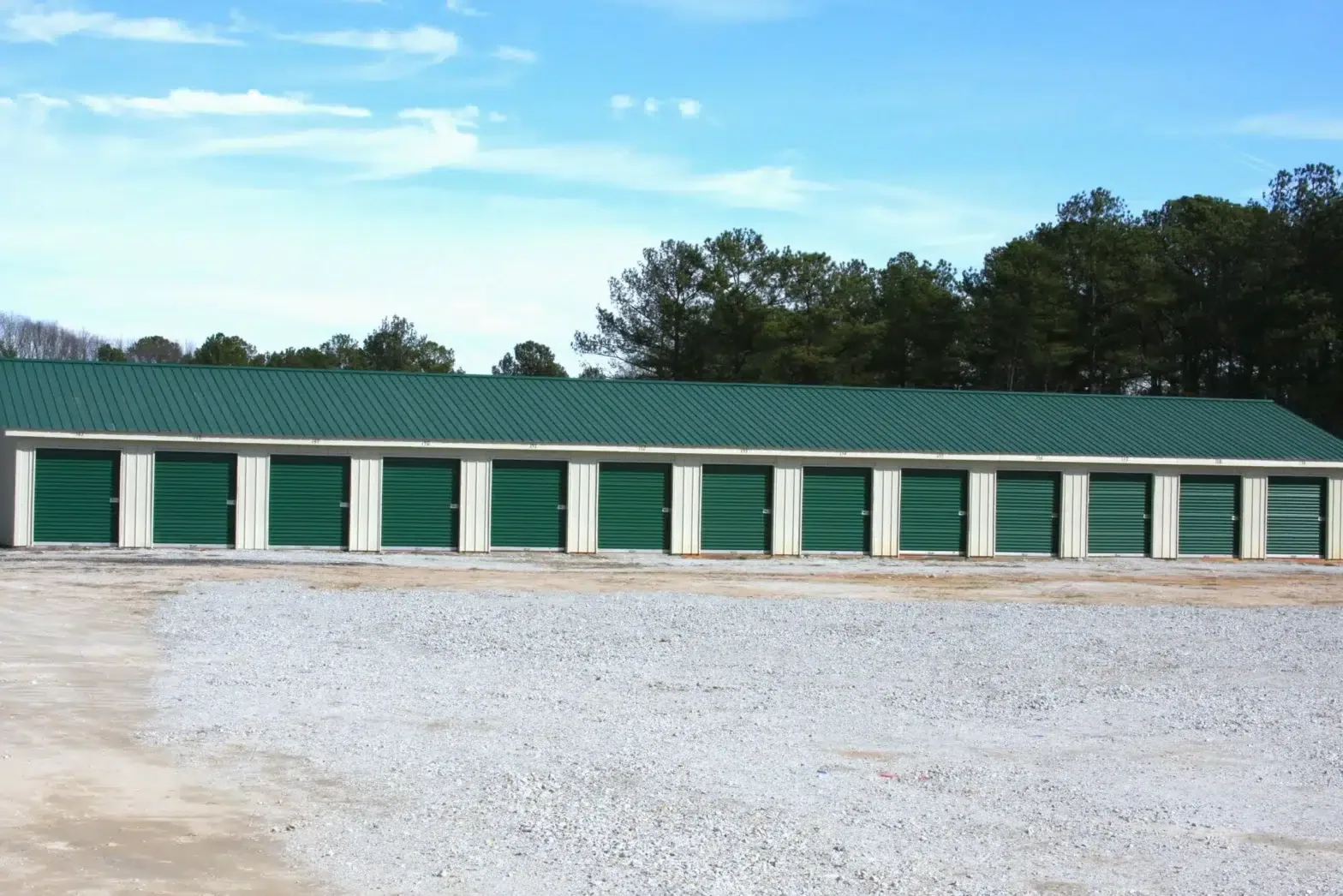
Self-Storage Roofing
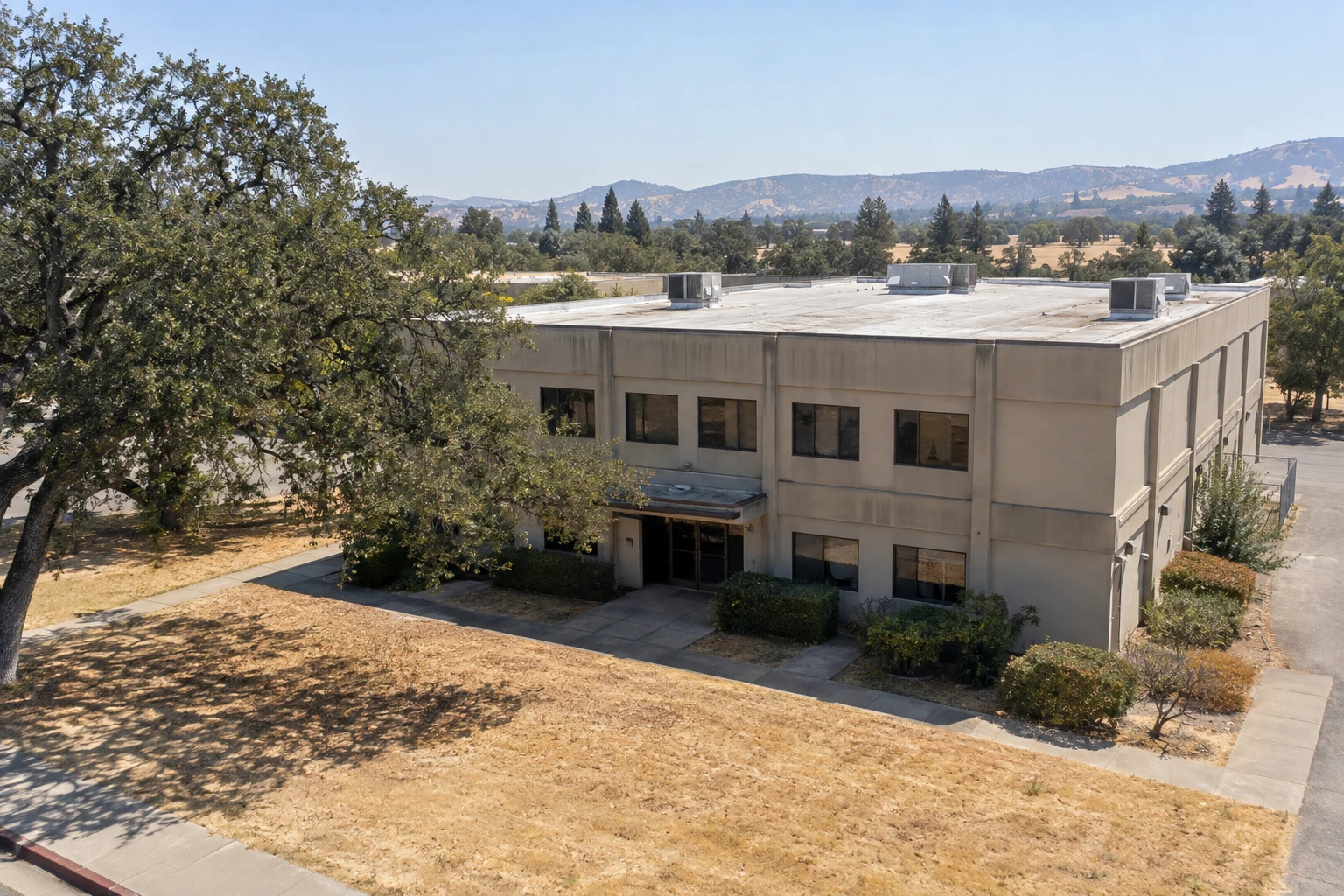
Self-storage roofing in Roseville, CA must protect unit access, rental operations, and stored belongings. We trace leaks and plan contained repairs.
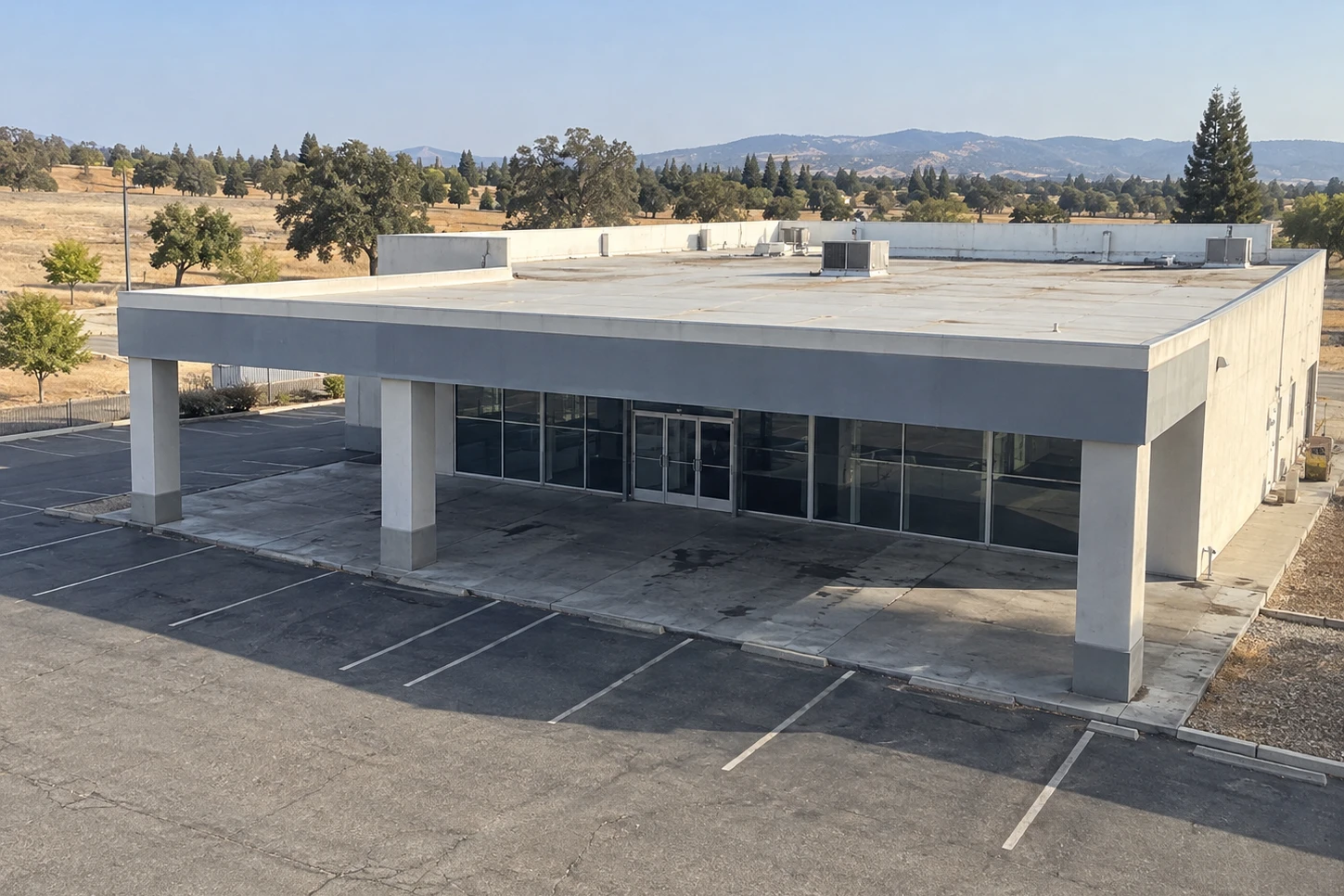
Auto Dealership Roofing
Auto dealership roofing in Roseville, CA must protect showroom, service, and vehicle areas. We trace leaks and plan work around sales operations.
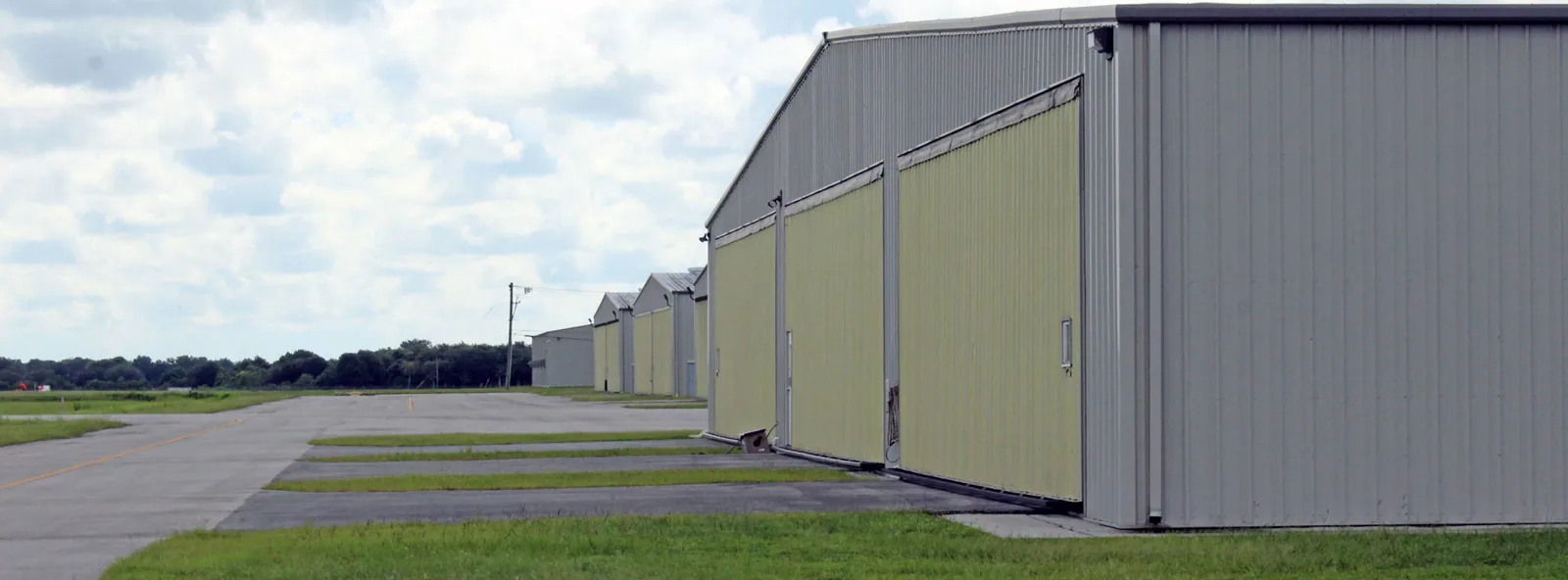
Aircraft Hangar Roofing
Hangar roofs in Roseville, CA protect clear spans, large doors, and maintenance access. We inspect transitions and plan safe closeout.
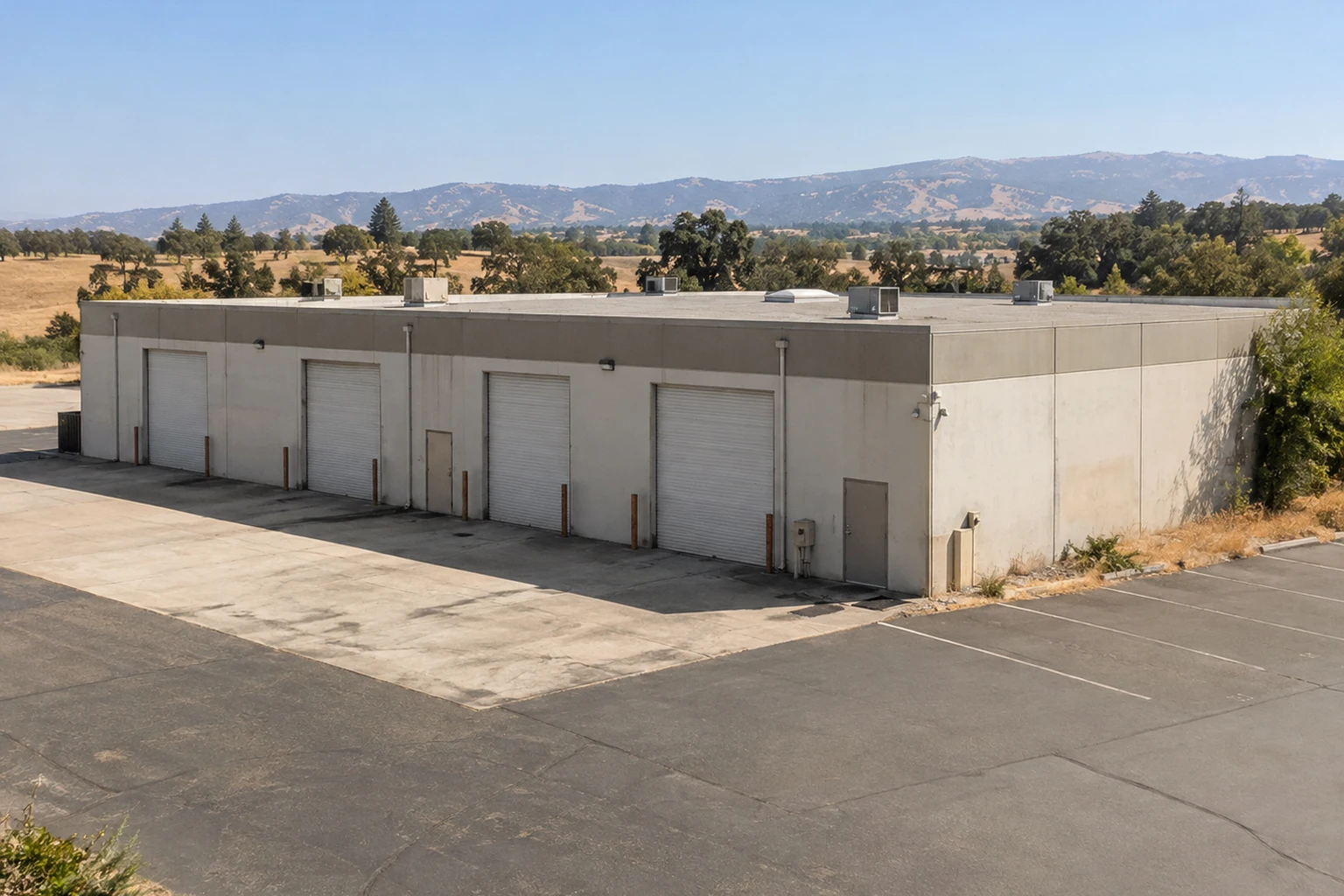
Flex Industrial Roofing
Flex industrial roofing in Roseville, CA must account for mixed office and production use. We trace leaks, protect tenant access, and scope repairs.
Fitness Center Roofing
Fitness center roofing in Roseville, CA must protect workout floors, locker rooms, and equipment while keeping classes and daily access on schedule.
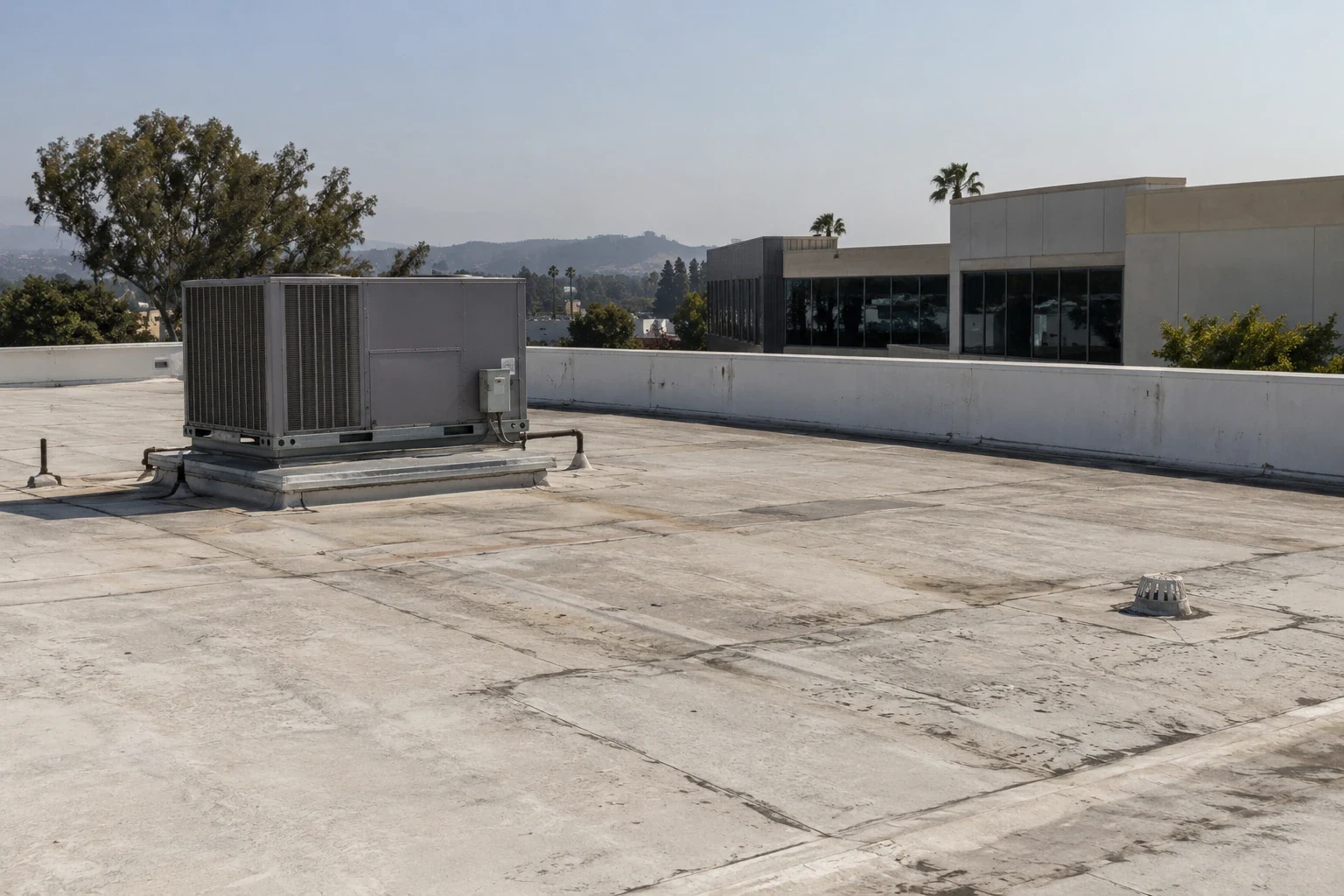
Air Force Base Roofing
Air Force base roofing near Roseville, CA calls for controlled access, secure dry-in, and a roof plan coordinated with facility operations and mission needs.
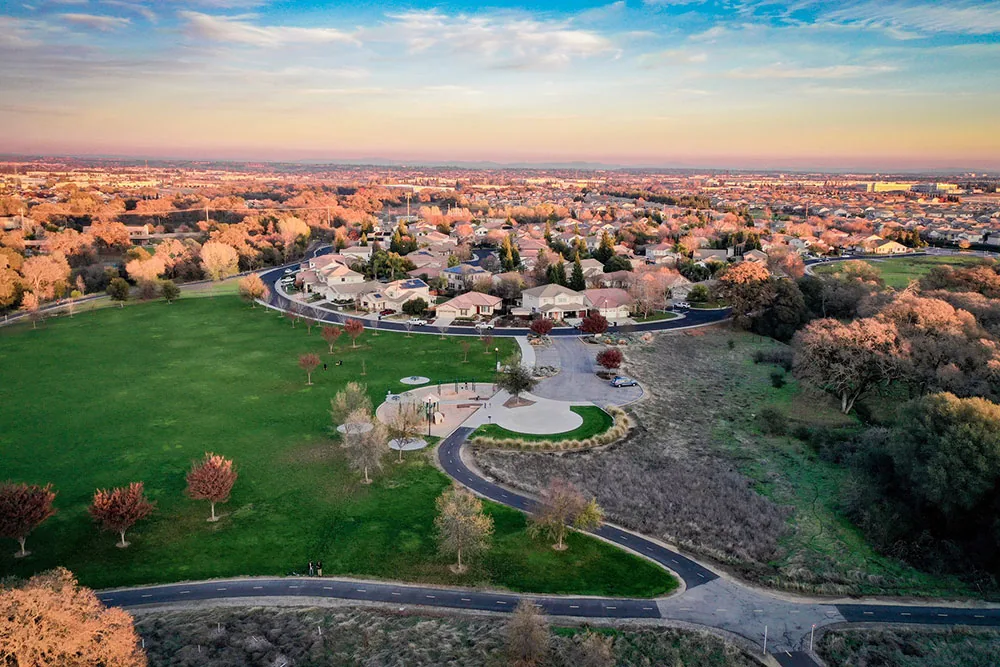
National Guard Armory Roofing
National Guard armory roofing in Roseville, CA needs a documented repair boundary, controlled access, and a dry-in plan that fits readiness schedules.
Military Barracks Roofing
Military barracks roofing near Roseville, CA needs careful room protection, controlled entry, and a dry-in sequence that respects housing operations.
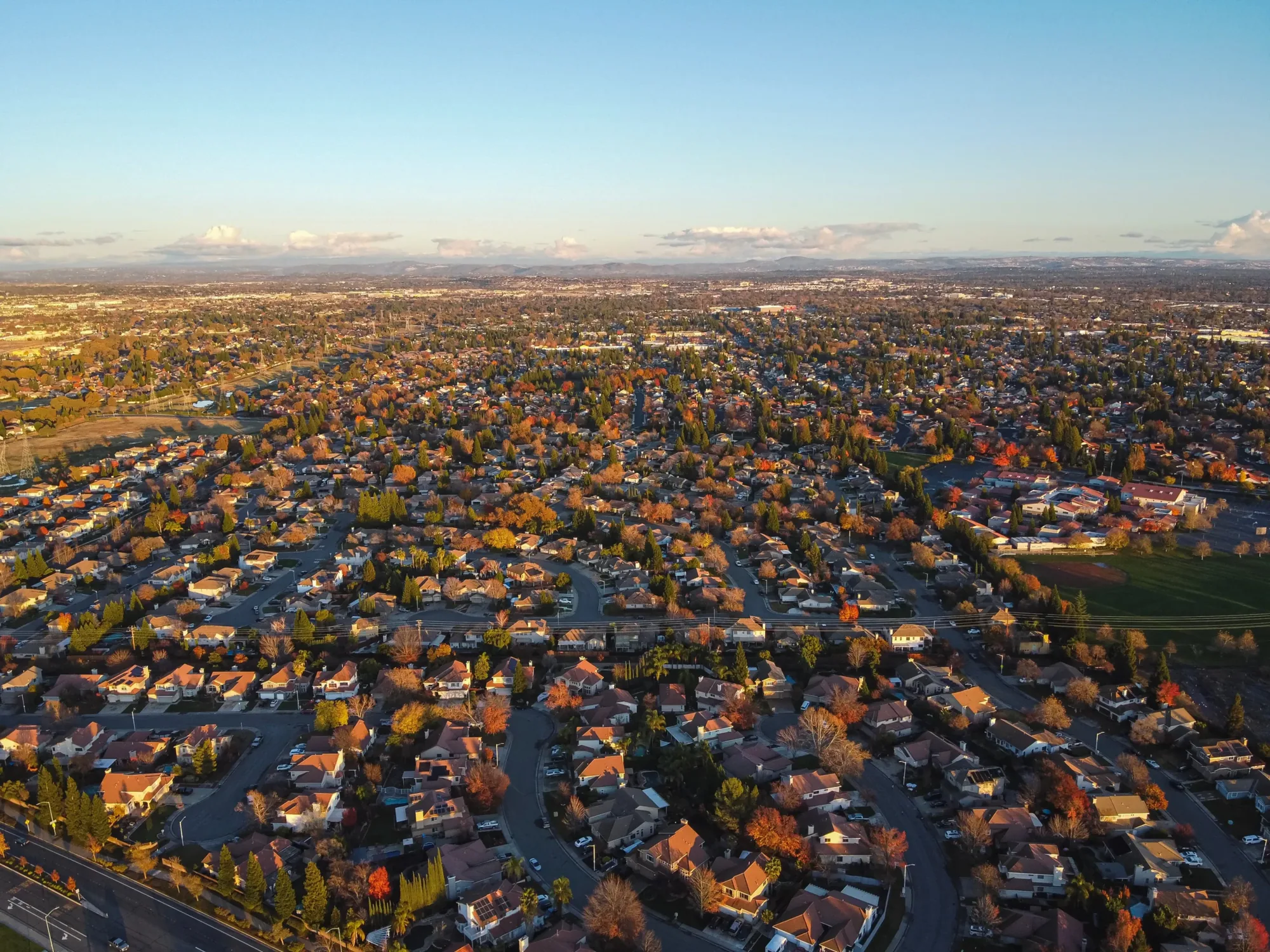
Property Types We Roof
Two roof sections can age at different rates even when they serve the same building. Roseville's land-use plan reaches from industrial and office parcels to schools, parks, homes, and public-service sites. We start with how the property operates, then inspect seams, drains, curbs, and access routes. The recommendations follow the actual assembly and the people who depend on the space below.
More About Property Types We Roof
Industrial: protect access and equipment routes
For a warehouse or distribution center, a roof review should record loading schedules, rooftop units, drain paths, and staging limits. A roof map gives each section a stable name. We photograph seams, penetrations, edges, and prior repairs so operations staff can connect a leak report with the area that needs attention.
Roseville's North Industrial planning subarea spans 2,046 gross acres and is primarily industrial. At the roof, access and sequence still depend on the facility contact. We coordinate equipment service, deliveries, and temporary dry-in before work reaches an active bay.
Occupied buildings: plan the work window
An office roof, school, or medical office may require a different access plan from an industrial property. We identify entrances that need protection, rooms below the work, equipment routes, and hours when noise or deliveries should be limited. The sequence should show where crews stage and how each open area will be made watertight at the end of a shift.
For retail centers and restaurants, entrances, customer circulation, and service activity can shape the work area. We plan those protections with the site contact instead of assuming the roof can be reached at any time. Roseville's commercial areas include Atlantic Street, Douglas-Harding, and Douglas-Sunrise, each part of a broader corridor plan. We inspect the particular property before pricing work.
Summer exposure: inspect the roof details
Nearby Sacramento Executive Airport normals show about 14 days each year at or above 100 degrees. July precipitation averages 0.00 inches at that station, while January averages 3.66 inches. Those are regional measurements, not readings from an individual Roseville building. We use the dry-to-wet pattern to time checks on exposed seams, flashing, and drains before winter rain returns.
Building use also affects what we document. Service traffic may wear paths around equipment; a public-facing roof may require tighter entrance protection below. A commercial inspection records visible conditions and identifies where moisture testing or a closer review could change the scope.
Replacement: tie the scope to the building
A repair may suit one isolated opening; several failing details or wet insulation can point to broader work. We compare a patch with recover, restoration, or replacement after reviewing the substrate, attachment, drainage, and perimeter. For a manufacturing plant or flex industrial building, note whether equipment access or production timing limits the work zone. For an occupied office or school, sequence and protection below deserve the same detail.
The written scope names roof areas, materials, tie-ins, temporary protection, and concealed-condition approval. It also separates urgent leak control from capital work, so ownership can assign an operating budget and a longer-term plan without combining different decisions.
Inspection record: Start with a property-specific roof map
Bring drawings, leak dates, prior repair tickets, and known schedule limits. We will label roof sections, photograph details, trace drainage, and give the owner a practical next action. For a property in Roseville, the plan should fit its roof and operating pattern, not just its building category.
Commercial Roofing Questions
Does a building type determine the roofing system?
The property use helps set access and operating requirements, but the roof assembly depends on substrate, drainage, existing layers, and design needs. We inspect before specifying materials.
What should a facility director prepare for a roof review?
Share leak dates, roof drawings, prior repairs, equipment service routes, and any hours or entrances that need protection. We add those constraints to the roof map and work sequence.
Can roof work be scheduled around tenants or customers?
Yes. We coordinate staging, entrances, deliveries, temporary dry-in, and work windows with the person managing the property, then sequence by roof section.
When does one repair become a capital project?
Repeated leaks, widespread seam or flashing failures, wet insulation, or attachment concerns may justify a broader scope. The report identifies the evidence and separates immediate repair from replacement planning.
Related Roofing Pages
Jump to another section of the site.
Plan the Roof Work for Your Building
Tell us about the building and what you are seeing on the roof. 555-555-5555