
Grocery Store Roofing in Roseville, CA
A drip near a refrigerated case can threaten stock before water reaches the aisle.
We trace the roof opening, inspect nearby equipment and drains, and plan repairs around receiving and store hours.
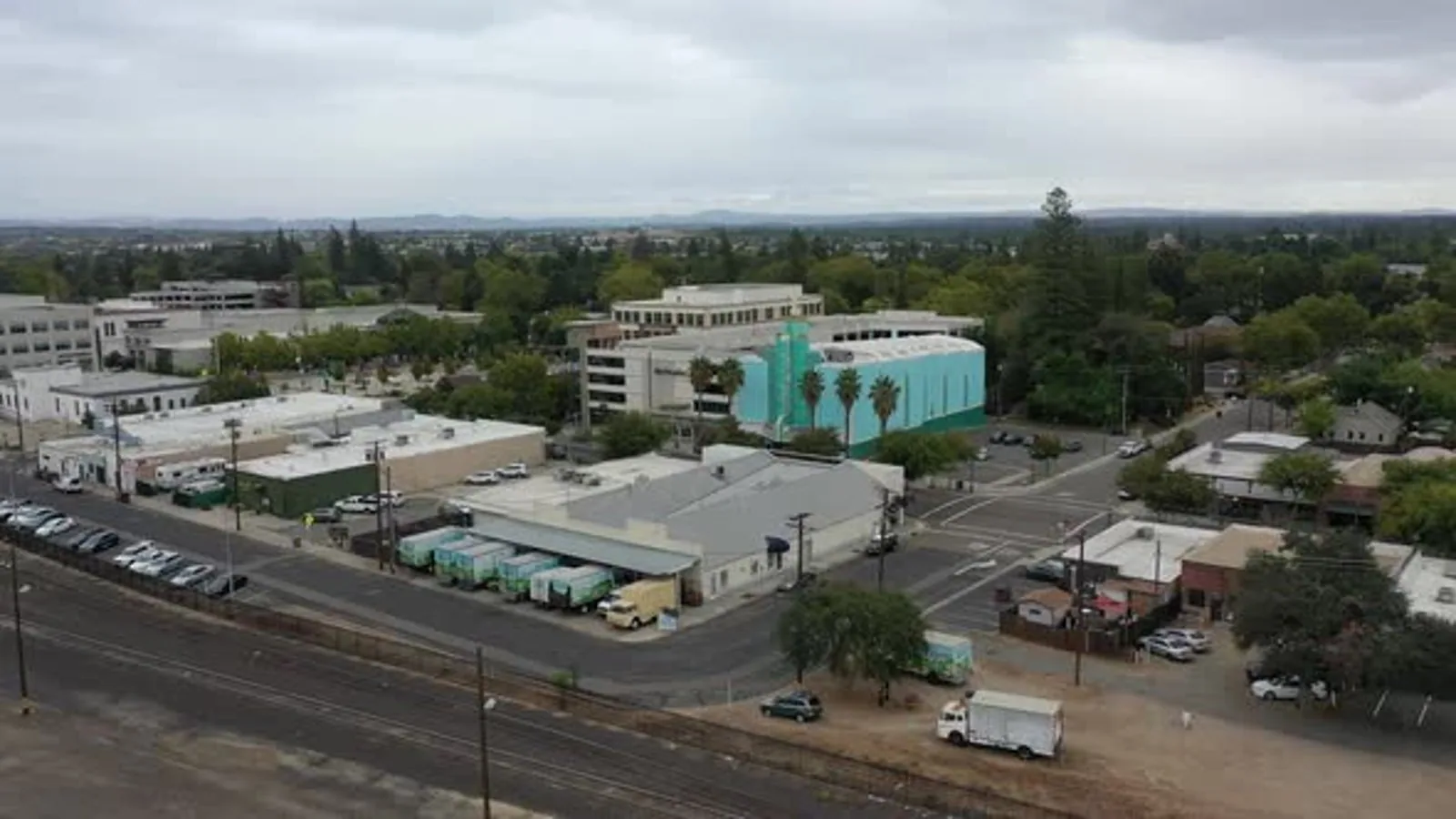
Roseville's North Industrial planning area serves an employment purpose, while the city's commercial corridor plans cover Atlantic Street, Douglas-Harding, and Douglas-Sunrise.
Roseville Parkway links retail destinations with offices and neighborhoods.
These are broad local settings; refrigeration, loading, and roof details at the store determine the scope.
We ask which cold rooms and cases sit below a reported leak before choosing an opening or repair window.
Leak path: connect the ceiling to equipment above
We record where water appears, when staff first saw it, and whether the condition changes with rain, cleaning, or refrigeration cycles. Then we inspect the roof above and upslope, checking seams, curbs, pipe supports, drains, and prior patches. Water can move along insulation or a deck before entering the sales area. The visible stain helps guide the search, while testing defines how much roof material needs repair.
Grocery roofs may have refrigeration condensers, HVAC units, exhaust, signage, and service paths. A technician may have changed a curb or support during equipment work, so we compare service records with the roof surface. A roof inspection maps those details; infrared mapping can help select test locations when the wet area is uncertain; if a leak reaches cold rooms, a cold-storage roof review considers temperature and vapor-control needs. We coordinate ceiling access with store staff to keep customers away from the affected zone.
Receiving and customers: control the work zone
Grocery operations continue through deliveries, stocking, cleaning, and customer traffic. We confirm receiving windows, pallet routes, fire lanes, customer entrances, and any aisle below the repair. The store manager identifies where material can be staged and whether work needs an early morning or overnight shift. For tear-off, we arrange interior protection and define how much roof can be opened before it must be closed.
Roseville Parkway connects shopping and dining with office and residential areas. A grocery store near that arterial may have busy access and scheduled deliveries; we verify the actual lot and dock plan before positioning a lift. The Roseville Parkway service area is broad geography. A phased work schedule can separate roof zones and document when each can return to normal use. We keep deliveries moving through the route agreed with store management.
Drains and roof traffic: limit standing water
Drain strainers can collect packaging, leaves, and rooftop debris. We inspect drain bowls, scuppers, overflow outlets, low areas, and the surrounding membrane, then confirm that discharge paths are open. Water that remains beside refrigeration curbs or parapets can stress seams and make a small flashing gap harder to locate. Drain maintenance and membrane repair belong in separate work items when both are needed.
Sacramento Executive Airport's normals record a strong dry-to-wet seasonal shift; the station is a regional reference, not a grocery roof forecast. We inspect before the wet season and revisit details after major storms. A drain and scupper review documents outlets and overflow paths, while ponding repair addresses a low area when water remains on the surface. We also check fasteners and walkway pads along equipment routes.
Repair or replace: compare the exposed layers
A localized seam split, puncture, or curb failure may be repairable when adjacent membrane and insulation are sound. We test the repair edge, remove loose material, and close the section with a compatible detail. If leaks recur around multiple refrigeration units or moisture extends across separate roof areas, the scope may need to address attachment, insulation, or a system-wide condition.
A recover requires a stable, dry roof and enough height at drains, parapets, and equipment. If wet insulation or deck damage is widespread, tear-off can be the better path. A recover assessment checks those requirements; a replacement plan can sequence work around receiving and cold-room operations. The estimate identifies how long each section is exposed and what approval is required if concealed conditions change the repair boundary.
Roof system: match the store's equipment
Grocery roofs may use TPO, PVC, EPDM, modified bitumen, metal, or coatings. We identify the actual system and check material compatibility before specifying a patch. Exhaust, refrigeration lines, curbs, and drains can require different detail work. The new assembly should preserve service access and avoid trapping moisture beneath a coating or added membrane.
Roseville's commercial corridors have adopted reinvestment plans, and the Sierra Vista plan includes commercial land. These facts describe geography and land use, not the roof construction of a particular store. We inspect each assembly. A shopping center roof may share delivery and customer-access needs, while restaurant roofs can have exhaust considerations. We use those comparisons only to identify questions; the final scope reflects the grocery building's roof, equipment, and schedule.
Estimate: account for product and delivery controls
Grocery roofing costs depend on roof area, refrigeration equipment, insulation, drains, tear-off, interior protection, delivery windows, overnight work, and how many sections can be completed safely. The proposal should identify temporary dry-in, product relocation or protection, lift access, and any equipment technician required. Concealed conditions need a defined approval step before removal continues.
Roseville permit review depends on the scope, and the City lists exemptions for some work. We check the current requirements before scheduling and include time for submittals where needed. Store leadership also needs an accurate estimate of when receiving lanes or cold rooms are affected. A maintenance plan can track drains, penetrations, and prior repairs between roof visits. Comparing complete scopes helps the owner see whether each proposal protects inventory and preserves the refrigeration service window.
Closeout: link the roof record to store operations
At closeout, we document the roof system, repair limits, drain work, refrigeration curbs, and any roof sections left in service. Photos show details that future service technicians must protect. We include product documents and maintenance instructions with the store's property records. If equipment work later changes a support or pipe route, staff can compare the new condition with the completed roof detail.
For a grocery roof review in Roseville, share roof plans, leak reports, refrigeration layout, receiving schedule, and prior repair records. We inspect the roof with the facilities contact and coordinate any interior access with store management. If moisture testing is needed, we state what it will confirm before pricing changes. The final plan explains whether local repair, recover, or replacement fits and how the store can keep food, staff, and customers protected during each phase.
Commercial Roofing Questions
Can roof repairs happen while the store is receiving deliveries?
They can if truck routes, lift access, and the roof work zone are scheduled together. We confirm receiving windows with store management and protect the loading path before materials arrive.
What if a leak appears near a cooler or freezer?
We inspect the roof above the room and compare the report with refrigeration equipment, condensate, insulation, and penetrations. The facility team helps coordinate any interior access or temperature protection.
Will a roof coating correct moisture above a cold room?
A coating protects a compatible surface but cannot dry wet insulation or repair an air or vapor path by itself. We test the layers and detail the source before recommending restoration.
How do you protect groceries below a roof opening?
We map inventory and room use beneath the work, set overhead protection, and open only the section that can be secured in the scheduled window. The store contact identifies stock that needs relocation.
What information helps schedule a grocery roof replacement?
Roof drawings, refrigeration plans, leak history, receiving hours, delivery routes, and equipment shutdown needs help set the sequence. We confirm those conditions before choosing phases or after-hours work.
Related Roofing Pages
Schedule a grocery roof assessment
Share roof plans, leak reports, refrigeration layout, delivery schedule, and prior repair records. We will inspect the assembly and document a repair or replacement sequence around store operations. 555-555-5555
Grocery Store Roofing in Roseville, CA FAQs
Common questions about this topic for Roseville commercial buildings.
Can roof repairs happen while the store is receiving deliveries?
They can if truck routes, lift access, and the roof work zone are scheduled together. We confirm receiving windows with store management and protect the loading path before materials arrive.
What if a leak appears near a cooler or freezer?
We inspect the roof above the room and compare the report with refrigeration equipment, condensate, insulation, and penetrations. The facility team helps coordinate any interior access or temperature protection.
Will a roof coating correct moisture above a cold room?
A coating protects a compatible surface but cannot dry wet insulation or repair an air or vapor path by itself. We test the layers and detail the source before recommending restoration.
How do you protect groceries below a roof opening?
We map inventory and room use beneath the work, set overhead protection, and open only the section that can be secured in the scheduled window. The store contact identifies stock that needs relocation.
What information helps schedule a grocery roof replacement?
Roof drawings, refrigeration plans, leak history, receiving hours, delivery routes, and equipment shutdown needs help set the sequence. We confirm those conditions before choosing phases or after-hours work.