
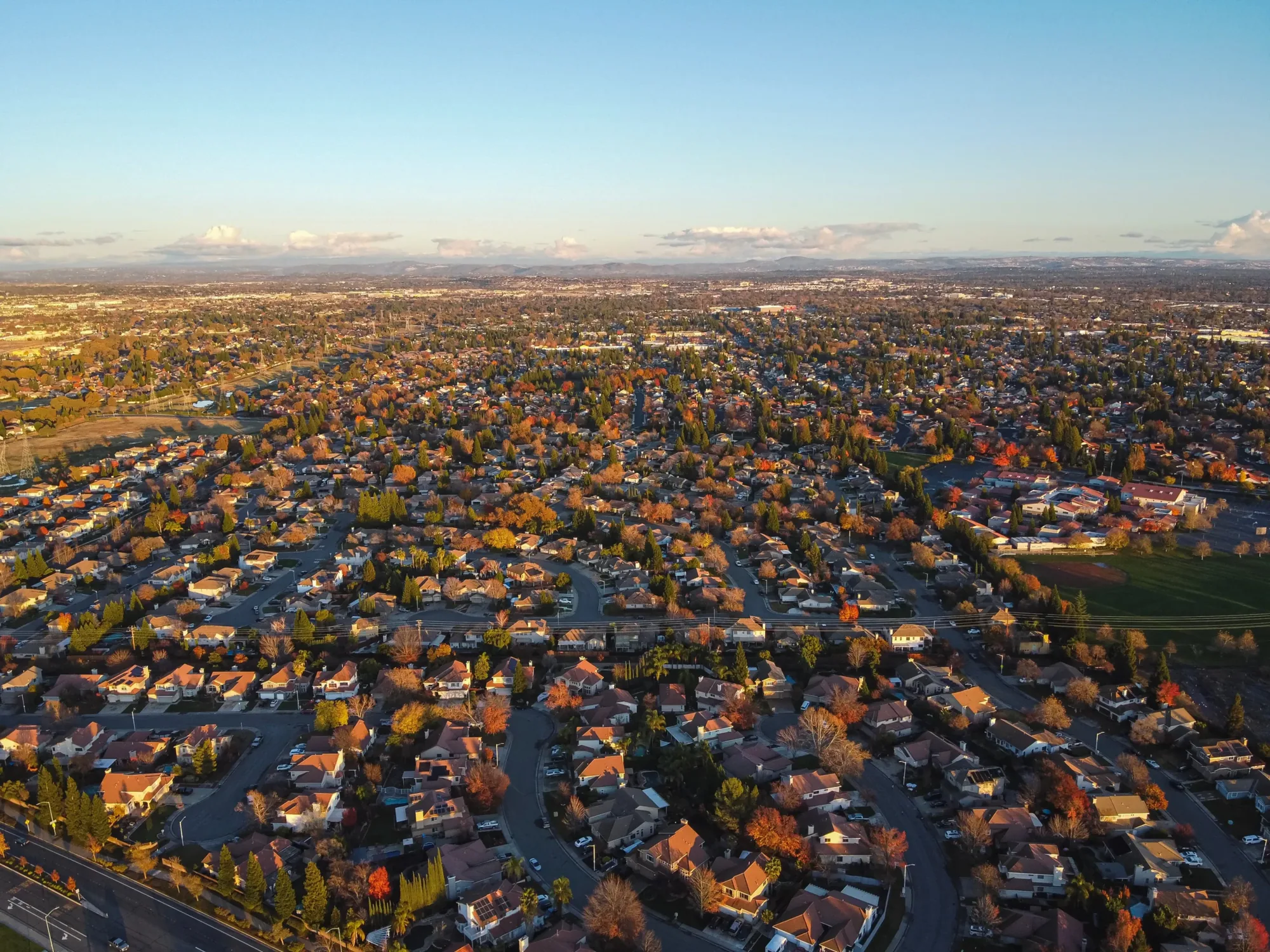
Data Center Roofing in Roseville, CA
A slow drip above a cable pathway can carry more consequence than the size of the stain suggests. Data center roof work needs a clear route from the reported condition to the room or equipment below, with access and downtime controlled at each step. We map the leak, inspect the membrane and equipment curbs, and coordinate the work window with facility operations. Roseville's North Industrial planning area is intended as a South Placer employment center; Sierra Vista includes planned commercial land. These are broad local geographies, while the site's redundancy and access rules define the roof plan.
Uptime: identify what sits below the repair
Before opening a roof, we confirm the ceiling, cable trays, electrical distribution, cooling routes, and critical rooms beneath the work zone. The facility team identifies sensitive equipment, alarm procedures, and any areas that cannot be exposed to dust or moisture. We coordinate protective measures and stop points before removing material. A small repair can still require a formal change window if the access path or cooling equipment is affected.
Roseville planning documents describe multiple employment and land-use districts, but they do not indicate what infrastructure any particular site contains. We rely on the facility's own roof and equipment plans. A condition survey records seams, drains, curbs, and prior repairs. For cooling equipment or cable pathways that cross the membrane, a penetration review checks the transition and service route before work is scheduled.
Cooling plant: examine curbs and condensate
Rooftop cooling units create concentrated service paths and multiple flashing details. We inspect curb corners, condensate lines, pipe supports, vibration points, intake openings, and any abandoned penetrations. Water may follow a conduit or deck joint before it appears below, so the leak map needs to include the equipment layout and roof slope. We check for loose fasteners and punctures left by later mechanical work.
Condensate should reach its intended drain and not run across a seam or pond around a curb. Equipment replacement can change the curb dimensions or leave unused openings. We document what is active, what has been removed, and which contractor needs to be present for a repair. A drain review checks outlets and overflows, while moisture mapping can help prioritize follow-up testing when the interior symptom does not match the opening above.
Repair boundary: stage a reliable handoff
A patch is useful only if the work zone can be made secure and returned to service under the facility's procedures. We coordinate the weather boundary, temporary dry-in, interior protection, and clearance steps with the operations contact. If a test cut is needed, its location and closure method are agreed before the crew opens the roof. Any change to an active cooling or power path requires the facility's own authorization.
Roseville's nearby Sacramento Executive Airport normals show a dry summer and a wetter winter, but those station averages are regional context rather than a roof forecast. A repair scheduled during a dry interval still needs a reliable nighttime closure. We set check-in points for the shift and document which zone can reopen. Phased roof work can isolate sections and maintain access. Roseville Parkway links commercial and residential destinations, and traffic or deliveries near the property may affect lift timing.
Repair or replacement: evaluate the full assembly
A localized puncture, failed seam, or curb transition can be corrected if adjacent membrane and insulation remain sound. We test the repair boundary and investigate wet material before closing the section. Repeated leaks at separate cooling units may suggest a broader attachment or membrane issue. The report shows whether those locations share a detail or point to different conditions.
A recover needs a stable, dry assembly, suitable attachment, and compatible transitions around drains and curbs. If moisture is widespread, removal may be necessary so the new roof does not trap it. We compare the options using test results and the facility's uptime plan. A recover review checks layer and load constraints; a replacement scope sets removal, insulation, and new curb transitions. We identify which work can occur within a planned window and which requires separate engineering or equipment coordination.
Roof system: support cooling and future service
Membrane, metal, or coating selection depends on deck, slope, attachment, drainage, equipment density, and the facility's access policy. No surface material resolves a poorly detailed curb or a drain that cannot handle the roof's flow. We review product documentation, expected maintenance, and compatibility with existing layers. The system also needs to tolerate future mechanical work without leaving an unrepairable transition.
Roseville's North Industrial district is a planned employment area and Sierra Vista has designated commercial acreage; neither fact establishes the kind of data equipment at a site. We use those locations as market context and request the facility's roof and mechanical plans for design. An office roof may have different access and interior-protection requirements; a manufacturing roof can also share equipment and penetration concerns. The scope should explain the membrane, attachment, insulation, drains, and service paths as one assembly.
Estimate: include access and response controls
Data center roofing cost reflects the roof area, membrane, insulation, deck repair, cooling equipment curbs, lifts, access controls, temporary protection, testing, and the time available in each work window. A proposal should name facility coordination needs, restrictions, and response points. It should also define what happens if a test or tear-off exposes a condition that affects the planned boundary.
Roseville's building rules include the 2025 California standards set, with requirements that can depend on the assembly and scope. We check City review and submittals early. Costs for escort or safety procedures should be identified if the facility requires them. A written roof condition report records the same observed areas across proposals so the owner can compare technical scope and operational impact. We separate emergency stabilization from permanent work when the site needs immediate protection and later approval for replacement.
Closeout: preserve a site-ready roof record
At completion, we record the system, repairs, curb transitions, drains, test locations, access restrictions, and any areas not included. Photos tie the work to roof-plan grid lines or equipment tags supplied by the facility. We document product data, temporary protection removed, and maintenance requirements. The operations team can retain the record alongside change-control and mechanical service information.
For a data center roof review in Roseville, share roof and mechanical plans, incident timing, equipment access rules, leak records, and outage limits. We inspect the roof with the facility contact and agree on any test locations before opening materials. The report explains whether local repair, recover, or replacement meets the observed condition and operational requirements. Each work zone should have a clear protection plan, return-to-service check, and record that future crews can use.
Commercial Roofing Questions
Can roofing work happen while data equipment remains live?
Often, provided the facility approves the work zone, protection, access, and any equipment restrictions. We coordinate with the operations team and do not open a section until the control and handoff steps are clear.
What should be inspected around rooftop cooling equipment?
We examine curb flashing, condensate discharge, supports, service paths, nearby seams, and any abandoned penetrations. The roof plan and unit records help connect a leak report with the detail above it.
How do you handle a roof core near a critical room?
We agree on location and protective measures with facility staff, then open only when the test will answer a defined question. The opening is closed with compatible materials and documented before the crew leaves.
Does a reflective membrane prevent cooling-system problems?
Reflective surfaces can affect solar gain, but they do not replace insulation, air sealing, or mechanical design. We compare the roof assembly and the facility's objectives before making a material recommendation.
What makes a phased data center roof plan complete?
It identifies the work zone, equipment below, access rules, temporary weather protection, testing, clearance steps, and the operations contact for handoff. We include those controls with the repair or replacement scope.
Related Roofing Pages
Other pages that cover related roofing work.
Coordinate a data center roof review
Send roof and equipment plans, access rules, leak records, and outage limits. We will inspect the assembly and document a controlled repair or replacement sequence. 555-555-5555
Data Center Roofing in Roseville, CA FAQs
Common questions about this topic for Roseville commercial buildings.
Can roofing work happen while data equipment remains live?
Often, provided the facility approves the work zone, protection, access, and any equipment restrictions. We coordinate with the operations team and do not open a section until the control and handoff steps are clear.
What should be inspected around rooftop cooling equipment?
We examine curb flashing, condensate discharge, supports, service paths, nearby seams, and any abandoned penetrations. The roof plan and unit records help connect a leak report with the detail above it.
How do you handle a roof core near a critical room?
We agree on location and protective measures with facility staff, then open only when the test will answer a defined question. The opening is closed with compatible materials and documented before the crew leaves.
Does a reflective membrane prevent cooling-system problems?
Reflective surfaces can affect solar gain, but they do not replace insulation, air sealing, or mechanical design. We compare the roof assembly and the facility's objectives before making a material recommendation.
What makes a phased data center roof plan complete?
It identifies the work zone, equipment below, access rules, temporary weather protection, testing, clearance steps, and the operations contact for handoff. We include those controls with the repair or replacement scope.