
Hospitality Groups in Roseville, CA
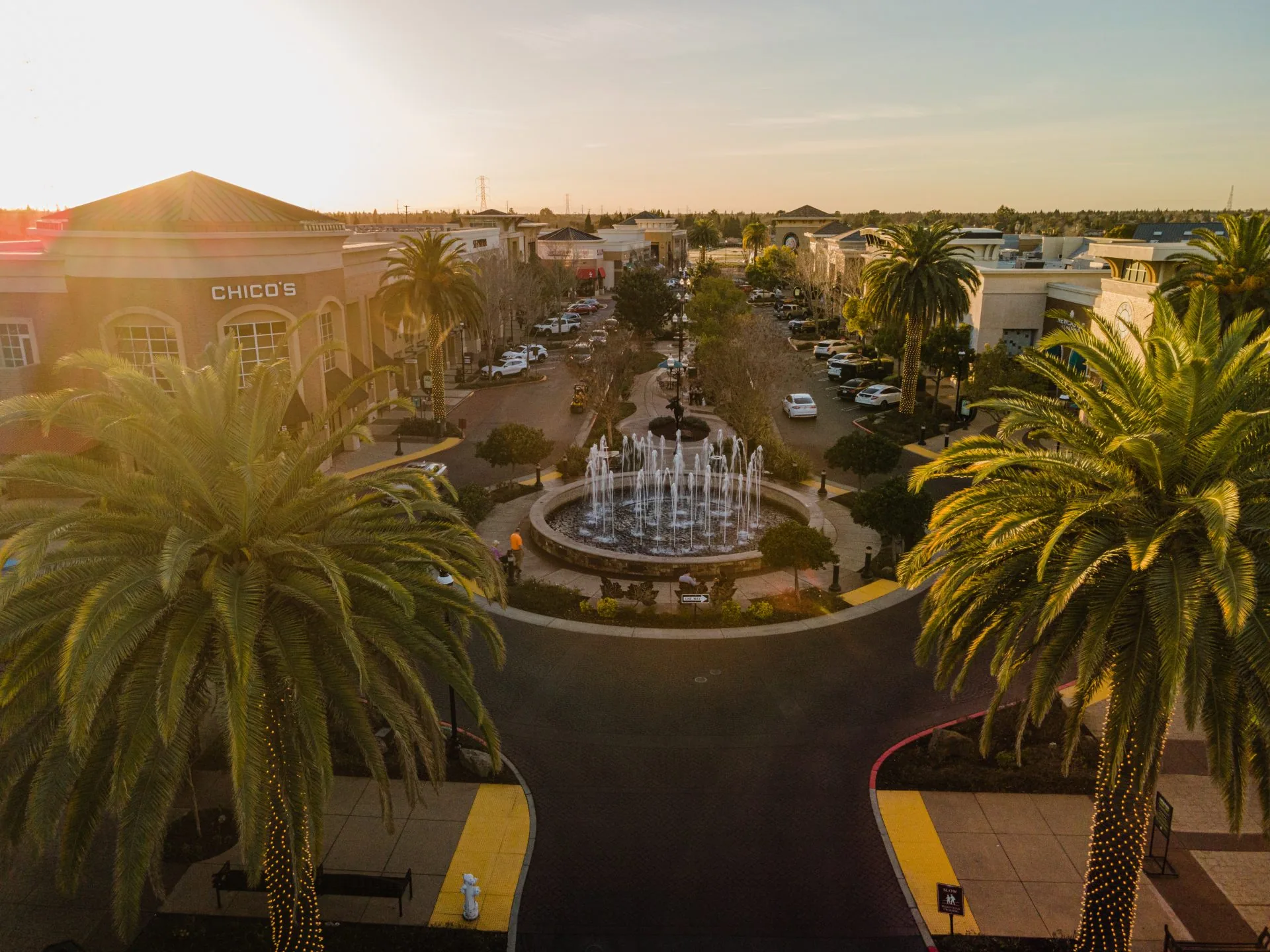
A water mark near a guest room can trigger a room move before anyone knows which roof detail failed. The first inspection should connect the room and time of the report to the roof zone above it, while protecting guest routes and building operations. Roseville's business areas include retail and lodging uses alongside offices and homes. The surrounding land-use pattern helps frame the work, while the property's entrance and roof access determine the crew plan.
We inspect the reported area and the nearby seams, curbs, drains, skylights, and wall transitions. The record names the observed condition, the rooms or service areas affected, and any test needed before a permanent boundary can be set. That gives the hotel team information it can use to plan access, communicate with guests, and approve repair work.
The nearby Sacramento Executive Airport climate normals show hot summers and a pronounced seasonal shift in precipitation. They describe a regional station, not conditions measured at a Roseville hotel. The building's exposure, rooftop equipment, and actual leak history guide the inspection and timing.
Next step: Keep Guest Routes Outside the Work Zone
Set the access route before moving materials. Identify the guest entrance, staff lift, housekeeping paths, loading area, pool or patio restrictions, and any event space below the roof work. The hotel contact should name a decision-maker for room access and schedule changes. A lift location or ground barrier should not conflict with check-in traffic, deliveries, or emergency egress.
During an active leak, protect furnishings and electrical equipment, then locate the entry above. If a room must remain unavailable, note the time and the condition that will allow it to reopen. Temporary protection is a separate action from permanent repair; the closeout record should say whether the area was tested after work and what remains to inspect.
For a property that stays open, an occupied-hotel work sequence can divide the roof into controlled areas. A rapid response can address immediate water entry before a broader repair plan is approved.
System choice: Follow the Report Through the Roof Assembly
Collect the room number or public-area location, the first report time, weather, and any recent HVAC, sign, or antenna work. The point where a ceiling shows water may not sit directly below the membrane opening. We compare the report with slopes, drains, seams, curbs, wall transitions, and earlier repair locations to identify the most likely roof zone.
Photograph the detail close enough to show its condition and wide enough to show where it sits. Note access restrictions, standing water, loose flashing, a split seam, or a damaged skylight transition. A visual review cannot expose every layer. If the proposed repair depends on whether the insulation is wet or the deck is sound, define a test opening before quoting the larger work.
A hotel roof inspection can document a reported concern. An equipment-curb review can coordinate roof access with HVAC service, and a condition report can keep photos, findings, and recommended actions attached to the building file.
Repair options: Choose the Scope That Matches the Guest Impact
A repair proposal should identify which roof area is included, how the crew reaches it, and what protection is required below. A seam repair needs a sound tie-in beyond the open portion. A curb repair may require the mechanical vendor to coordinate equipment movement. A skylight detail needs its own flashing and safety plan. The proposed work should state whether a guest room or service area must remain restricted.
If moisture testing shows a wider condition, compare a repair boundary with a larger restoration or replacement option. Coating is appropriate only when the substrate, drainage, and existing surface can support it. Replacement changes access and protection needs and may require more coordination with room availability. Keep the estimate tied to the roof map so each option can be compared against the same area.
A targeted repair may limit disruption when the roof around it remains serviceable. For a larger capital decision, a roof capital review can distinguish immediate water control from a future scope and preserve the assumptions behind each date.
Climate risk: Inspect Before Rain Tests a Quiet Detail
July's precipitation normal at Sacramento Executive Airport is recorded as zero inches in the 1991 to 2020 NOAA series. That station is near Roseville, but its data is not a measurement from a hotel roof. A seam repaired during the dry season should be checked before the site enters a stretch of frequent rain, particularly where guest rooms sit below the affected zone.
For the summer heat question, the same station records about fourteen days a year at or above 100 degrees. This describes the airport's regional climate history, not a hotel's surface temperature. We inspect actual membrane, sealant, and flashing condition at equipment bases, then use the property's access calendar to set any follow-up.
The Roseville Parkway Corridor is a major retail route connecting dining and shopping areas. A Parkway-area property and a building in the commercial corridors may have different entrance and staging conditions. The work plan should use the property's own access routes and guest schedule.
Next step: Close the Loop With the Hotel Team
At closeout, provide photographs of the finished flashing or seam, the roof-zone location, materials, and any remaining item. Tell the hotel contact whether the temporary barrier or room restriction can be removed, and whether a follow-up inspection is planned. A record that simply says repair complete will not help the next manager locate the work.
Routine checks should review drains, roof hatches, skylight seals, curbs, perimeter details, and equipment penetrations added during renovations. Coordinate kitchen exhaust, HVAC replacements, and signage work so the roofing trade can inspect the final tie-in. Keep the maintenance schedule tied to the assembly and prior findings, especially where guest access or roof access is limited. The room or public space affected should be listed with the repair date and the manager who confirmed it could return to service. If a separate contractor later changes exhaust, signage, or HVAC equipment, attach that work record to the same roof map so the next inspection can identify the altered detail.
A retail facilities program may share store-hour coordination with a hotel group. A property manager may handle approvals or tenant notices. For each hotel, record who controls the roof, who can authorize work, and who receives the completion file.
Commercial Roofing Questions
What should a hotel do when a guest room leak is reported?
Protect the room and its contents, note when the water appeared, and arrange roof access above the affected area. We trace nearby roof details and document what must be repaired or tested before the room returns to service.
Can roof work happen while a hotel remains open?
The roof zone, lift access, guest routes, and noise limits determine the workable sequence. We mark where crews will stage and coordinate any room or public-area restriction with the hotel contact.
How are repairs planned around an event or high-occupancy date?
Share the event calendar and the areas that cannot be disrupted. We identify the work that can be completed in the available window and what needs a later phase or different access plan.
What if water appears far from the roof opening?
We use the interior location as a clue and inspect the roof slope, seams, penetrations, and drains around it. The report distinguishes the suspected path from the defect confirmed in the field.
What information should a hotel keep after roof repairs?
Keep the roof-zone photos, work scope, materials, completion date, room or service impact, and any remaining follow-up. This lets the next service call compare the new report with the actual repair.
Related Roofing Pages
Schedule a hotel roof inspection
Share the affected room or service area, report time, event or occupancy constraints, and roof access plan. We will document the condition and coordinate a work sequence that protects guest routes. 555-555-5555
Commercial Roofing for Hospitality Groups in Roseville, CA FAQs
Common questions about this topic for Roseville commercial buildings.
What should a hotel do when a guest room leak is reported?
Protect the room and its contents, note when the water appeared, and arrange roof access above the affected area. We trace nearby roof details and document what must be repaired or tested before the room returns to service.
Can roof work happen while a hotel remains open?
The roof zone, lift access, guest routes, and noise limits determine the workable sequence. We mark where crews will stage and coordinate any room or public-area restriction with the hotel contact.
How are repairs planned around an event or high-occupancy date?
Share the event calendar and the areas that cannot be disrupted. We identify the work that can be completed in the available window and what needs a later phase or different access plan.
What if water appears far from the roof opening?
We use the interior location as a clue and inspect the roof slope, seams, penetrations, and drains around it. The report distinguishes the suspected path from the defect confirmed in the field.
What information should a hotel keep after roof repairs?
Keep the roof-zone photos, work scope, materials, completion date, room or service impact, and any remaining follow-up. This lets the next service call compare the new report with the actual repair.