
Multi-Site Roof Programs in Roseville, CA
Sacramento Executive Airport normals show a long hot summer followed by a wetter winter. We map each Roseville building, record its assembly and leak history, then group inspections by access, timing, and work type. The system, drainage, and repair record at each property determine the schedule.
Portfolio map: keep every roof identifiable
We begin with a building register that names each property, section, contact, access point, and known system. Plans, prior reports, invoices, and leak histories attach to the correct asset. During inspection, we use the same roof map to mark drains, curbs, edges, seams, and reported leak areas. Shared labels make it possible to compare updates across sites without merging different assemblies or assuming that a condition on one roof exists on another.
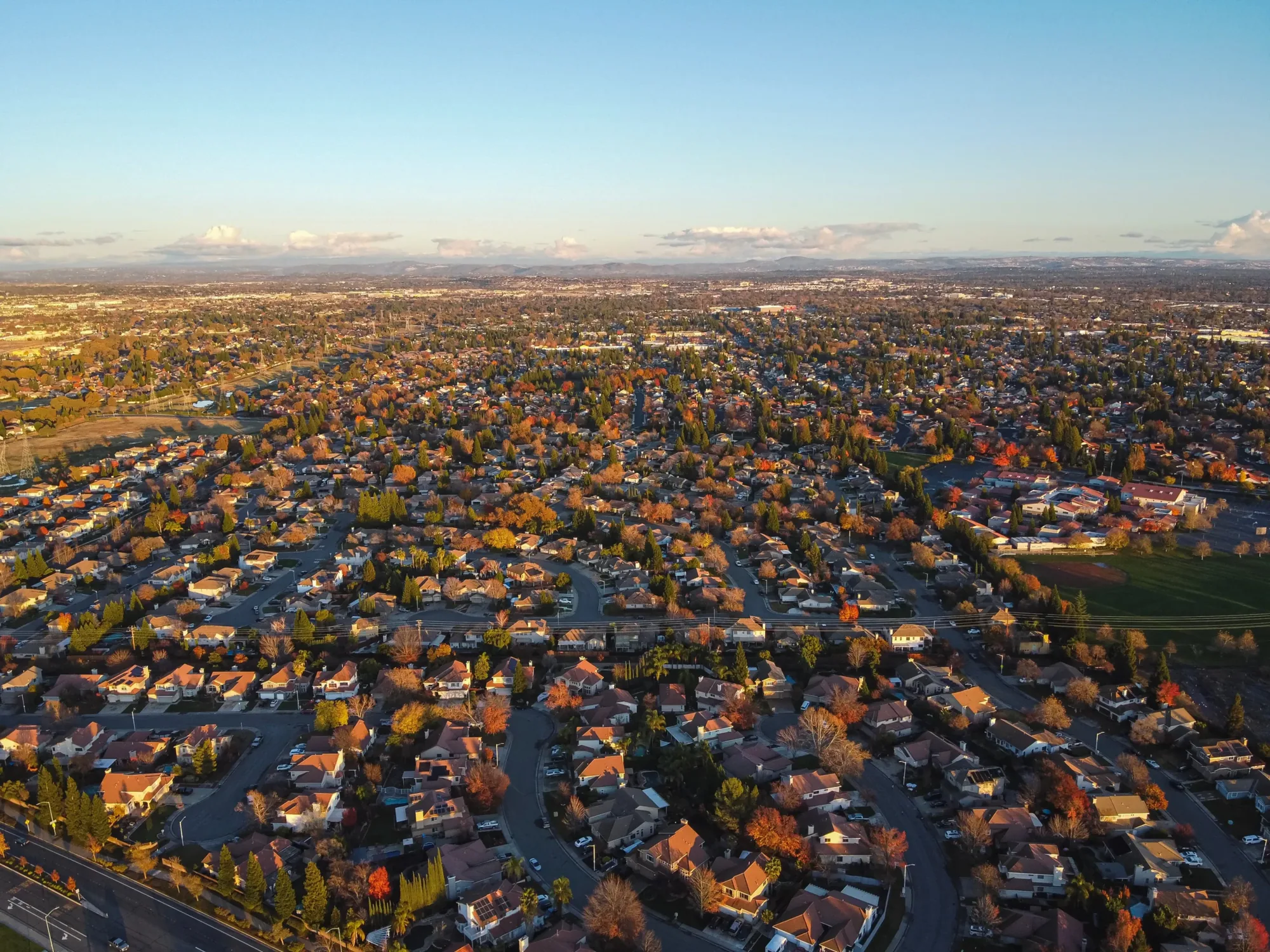
Roseville planning distinguishes Downtown Roseville, the North Industrial area, and several commercial routes. Those place names help arrange a multi-property visit without collapsing distinct assets into one condition record. The place names can organize a route or report set, but each building keeps its own access needs, use, roof history, and condition. A roof asset register can hold the common index while preserving each site's evidence.
Work sequence: coordinate access and business hours
Access is often the first schedule constraint. We confirm roof entry, escort requirements supplied by the property, tenant notice, loading or delivery periods, equipment shutdowns, and staging limits before setting a visit. A multi-site program can group nearby inspections to reduce repeated setup, but only when the access window and scope make that practical. We build a route with the facility contacts rather than presume that one building's rules apply to the next.
During active repair or replacement, we identify which areas can be completed in one work window and which need phases. Roof work over a production floor, clinic, or occupied office may call for interior protection or a different sequence. We note who can approve a change and how the building team wants completion reported. We verify those operating details with each facility contact before setting dates, phasing, or protection.
Service calendar: match visits to roof condition
A shared maintenance calendar can assign due dates, but the visit itself must fit the roof. We prioritize drains and scuppers where water accumulation has been reported, seams and flashing near prior leaks, and penetrations that have changed since the last inspection. A property with recent repairs may need a focused follow-up; another roof may need a broader condition walk. The record explains why each task is scheduled and who receives the findings.
At Sacramento Executive Airport, normal July precipitation averages 0.00 inches and January averages 3.66 inches. Schedule drainage checks before the wetter winter period, while recording rainfall conditions and roof response at each property. The program can reserve inspection windows before the wetter period, then add a targeted follow-up where observed conditions warrant it. A preventive maintenance program connects each visit to the repair history.
Repair control: compare scope and completion
When several roofs need repairs, we prioritize active leaks and conditions that threaten the assembly, then separate those tasks from planned work. Each scope names the roof area, affected detail, repair boundary, and access requirement. Closeout photos return to the same map. If a repair does not resolve the reported leak, the record shows the original condition and the next inspection target, so another crew does not start from an incomplete handoff.
Standard descriptions make portfolio reports easier to read, but they cannot replace roof-specific scope. One location may need a seam weld; another may need curb flashing, drainage correction, or a moisture investigation. We will not apply a material or detail from one building to another without confirming the assembly. An infrared moisture survey can be assigned when the result affects the repair or replacement boundary.
Seasonal review: share the calendar, not assumptions
For a portfolio, seasonal scheduling should flag exposed details before the wet period and allow each property its own follow-up window. The calendar can flag an inspection date; the field report supplies the roof-specific findings. Check sealants and membrane transitions during each visit, then base repair recommendations on the condition observed at that asset.
Before winter rain, sequence a portfolio check around each asset’s maintenance window and current leak record. We log repairs by date so managers can compare the work completed at one building with the next inspection of that same roof. A recent leak or restricted access can move one property ahead of the standard cycle without changing the rest of the portfolio calendar.
Capital view: compare needs without flattening differences
Owners need to see where repair dollars, investigation, and larger projects sit across their properties. We summarize condition, scope, timing, access, and unresolved questions for each building. Similar findings can be grouped for review, but their repair boundaries and costs remain tied to the actual roofs. A summary should never hide which asset has recurring leaks or which recommendation depends on a test cut or moisture survey.
Capital timing can account for phasing, tenant schedules, material lead time, and the decision date. We identify which conditions need immediate attention and which can remain under monitoring with a defined return visit. We sequence capital decisions from condition, work scope, and follow-up evidence rather than a general service-life label. A roof capital plan can sequence projects and show what needs confirmation before pricing. The owner can then compare locations in North Industrial and the Roseville commercial corridors using the same decision fields.
Program start: set the first useful checkpoint
Send the property list, roof plans, recent repair records, contact information, access rules, and any active leak reports. We will confirm the buildings included, set an initial inspection sequence, and identify records missing from the register. The first checkpoint should deliver mapped findings and an action list for each roof, not just a calendar full of visits. Owners can then decide where maintenance, testing, or capital planning begins.
Roseville's North Industrial Area and Downtown Roseville provide broad geographic labels for organizing routes, while individual findings remain building-specific. We can pair the program with condition reports, repair scopes, and a North Industrial service-area visit. Share which operating constraints matter first. We will document how each roof fits the program and keep its evidence and decisions easy to retrieve.
Commercial Roofing Questions
Can you put inspections for several buildings on one calendar?
Yes. We can coordinate dates and route access across the portfolio. Each visit still records its own roof condition, findings, and follow-up interval. A shared schedule does not mean the roofs share an assembly or priority.
How do you decide which property comes first?
Active water entry, repeated repair, observed deterioration, and decision deadlines help set the sequence. We document the evidence for each priority and identify where testing is still needed. The portfolio owner can add operating constraints to that order.
Can we standardize our repair reports?
We can use consistent fields for location, condition, repair boundary, photos, access, and closeout. The description itself remains specific to the roof and detail observed. This gives ownership comparable records without copying one scope across different buildings.
Can work be grouped by location?
It can when access, scope, and work windows make grouping practical. Roseville corridor or North Industrial routes can help coordinate site visits. Each building still needs its own scope and work authorization.
What happens when one roof needs testing?
We keep the open question attached to that asset and identify what the test should determine. The rest of the program can continue, while the building scope remains provisional until the evidence is available.
Related Roofing Pages
Other pages that cover related roofing work.
Set up a multi-site roof program
Share your Roseville property list, operating contacts, current leak reports, and access windows. We will map each building, identify the first inspections, and return findings in a consistent portfolio format. 555-555-5555
Multi-Site Roof Programs in Roseville, CA FAQs
Common questions about this topic for Roseville commercial buildings.
Can you put inspections for several buildings on one calendar?
Yes. We can coordinate dates and route access across the portfolio. Each visit still records its own roof condition, findings, and follow-up interval. A shared schedule does not mean the roofs share an assembly or priority.
How do you decide which property comes first?
Active water entry, repeated repair, observed deterioration, and decision deadlines help set the sequence. We document the evidence for each priority and identify where testing is still needed. The portfolio owner can add operating constraints to that order.
Can we standardize our repair reports?
We can use consistent fields for location, condition, repair boundary, photos, access, and closeout. The description itself remains specific to the roof and detail observed. This gives ownership comparable records without copying one scope across different buildings.
Can work be grouped by location?
It can when access, scope, and work windows make grouping practical. Roseville corridor or North Industrial routes can help coordinate site visits. Each building still needs its own scope and work authorization.
What happens when one roof needs testing?
We keep the open question attached to that asset and identify what the test should determine. The rest of the program can continue, while the building scope remains provisional until the evidence is available.