Roof Asset Management in Roseville, CA
A roof register loses value when the condition column says only good or poor. We map each building, record the assembly and visible details, then tie every finding to a location, photo, and next action. Sacramento Executive Airport normals show hot summer highs followed by a concentrated wet season. We compare dry-season observations with drainage and seam condition before winter rain, using the field inspection to set each roof's next action.
Roof map: identify each asset
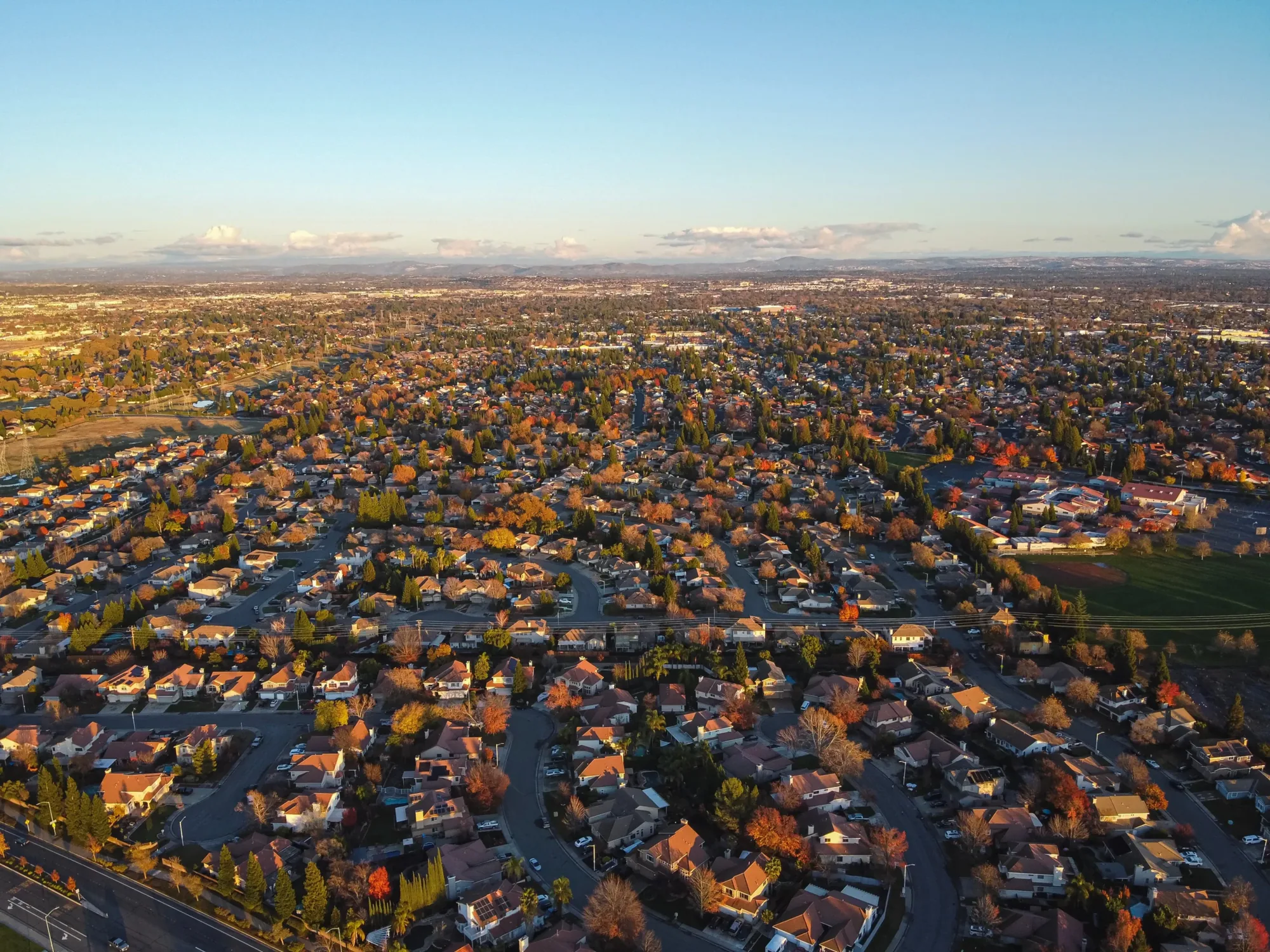
We start with the information that helps a facility director distinguish one roof area from another: building name, section, access point, approximate system, visible penetrations, drains, edges, and known repair locations. An aerial view or field sketch can serve as an index. Each entry uses a consistent location label, so a later inspection can return to the same seam or curb rather than creating a second record that cannot be compared. The map remains useful when staff or vendors change.
The inventory records what we observe and what the owner supplies. It does not turn an unknown membrane age, concealed deck, or warranty term into a fact. When system identification is uncertain, we mark that and recommend a way to confirm it. The method works for a North Industrial property or a building along Atlantic Street, Douglas-Harding, or Douglas-Sunrise. We verify assembly and access at the roof before assigning findings to its record.
Condition record: sort active work from watch items
One list should not mix a current leak with a surface condition that can be monitored. We separate active water entry, open seams or flashing, drainage concerns, moisture indicators, and items that deserve another look at the next maintenance visit. The repair boundary gets a photo and a short explanation of what is included. A watch item gets a specific observation to revisit, not a vague instruction to keep an eye on the roof. This keeps the record actionable for the person who receives the next service request.
We connect the finding to its prior repairs and later outcome.
The record can show whether an open lap was corrected, a drain held water after cleaning, or a curb detail moved.
If a moisture survey or test cut is needed, we state the question it should answer.
Suspected wet insulation stays identified as suspected until tested.
That prevents a later budget meeting from treating an unconfirmed condition as established damage.
A written roof condition report can use the same map and finding labels.
Operating plan: make records usable on site
Roof information must work for the people scheduling access. We note hatch or ladder access, restricted areas, equipment that requires coordination, and operating windows supplied by the facility director. A warehouse near Washington Boulevard may have loading activity to protect; a medical office near a commercial corridor may need quiet hours. Those are planning prompts, not assumptions about a particular site. We confirm actual constraints with the site contact before an inspection or repair.
We connect the condition record to maintenance visits, repair photos, proposals, and closeout notes. A later report can then answer practical questions: was the open lap corrected, did water remain at the drain, which roof area has not been inspected since the last capital cycle? This reduces handoff burden between property staff and ownership. It also makes a later report more useful because each finding refers to the same roof map and location label.
Seasonal review: inspect before the wet months
Before Roseville’s wetter winter stretch, schedule a drainage and exposed-detail check at each property. The inventory can record the visit date, precise roof area, and condition so a later entry distinguishes a recurring issue from a new one. Use owner access windows and current leak records to set the sequence; summer-exposed sealants and coating edges deserve their own mapped observations.
A calendar reminder is not a substitute for inspection. System type, prior repairs, rooftop equipment, drainage, and leak history determine what to revisit. We set the next interval from the condition found and shorten it after active water entry, major work, or a change in performance. A preventive maintenance program can pair a repeat visit with drain clearing and focused detail checks.
Portfolio review: prioritize by evidence
An asset register helps compare roofs without pretending they are interchangeable. We can group them by observed condition, repair frequency, system, access, or upcoming decision. A localized seam issue should not rank the same as recurring leaks with evidence of wet insulation. The record identifies which roofs need inspection, repair, testing, or a replacement discussion first, then explains why each item sits in that order. That gives ownership a reasoned sequence instead of an unsupported red-yellow-green label.
Forecasts need visible assumptions. We record the condition, scope under consideration, access needs, and dependencies that could change the work. Keep roof age or remaining-life estimates out of the register until records and inspection support them. If the next step depends on concealed conditions, identify the investigation required before assigning a budget. That makes roof capital planning easier to explain to an ownership group and traces the path from field observation to funding request.
Next visit: define what the record must answer
Bring the current roof list, prior repair notes, available plans, and site access requirements. We will walk representative areas, check the details tied to open questions, and mark each finding so another person can locate it. For an active leak, share the room or work area below it and when water appeared. For a portfolio review, identify the decision date and buildings that need attention first. We will document what we observed and where additional testing is needed.
A Roseville record can distinguish buildings in North Industrial from those near Downtown Roseville or the established commercial corridors without assuming their assemblies match. We can add a commercial roof inspection, trace a question with an infrared moisture survey, or plan a roof review in North Industrial. The result should show what needs action, what can be monitored, and what information could change the decision.
Commercial Roofing Questions
Can several buildings share one register?
Yes. We can put multiple buildings in one portfolio register while keeping each roof section, photo, condition, and repair history tied to its own location. A shared format makes comparison easier; it does not imply that roofs use the same system or need the same work.
What if the membrane is unknown?
We record the visible evidence and label the system unconfirmed until it can be identified. Plans, product labels, repair records, or a closer field review may resolve it. We do not infer the assembly from a building use or neighborhood.
How does the register handle a repaired leak?
The entry retains the original report, repair boundary, photos, and completion note. On the next visit, we return to that location and check the repair and nearby details. If water entry continues, we update the condition rather than closing the issue based only on the old work order.
Can the records support a capital meeting?
They can organize observed condition, open investigations, repair needs, and timing drivers. We can prepare a report and identify where concealed conditions still need testing. Funding assumptions stay separate from field observations so reviewers can see what is known.
What should we send before the first visit?
Send a building list, roof plans if available, prior repair records, leak locations, and access rules. Include who can approve entry and any operating periods to avoid. We can focus the visit on open questions instead of rebuilding the portfolio at the hatch.
Related Roofing Pages
Other pages that cover related roofing work.
Schedule a roof asset review
Share the building list, current roof records, affected areas, and the date of your next capital decision. We will map observed conditions, document priorities, and identify questions that need further testing. 555-555-5555
Roof Asset Management in Roseville, CA FAQs
Common questions about this topic for Roseville commercial buildings.
Can several buildings share one register?
Yes. We can put multiple buildings in one portfolio register while keeping each roof section, photo, condition, and repair history tied to its own location. A shared format makes comparison easier; it does not imply that roofs use the same system or need the same work.
What if the membrane is unknown?
We record the visible evidence and label the system unconfirmed until it can be identified. Plans, product labels, repair records, or a closer field review may resolve it. We do not infer the assembly from a building use or neighborhood.
How does the register handle a repaired leak?
The entry retains the original report, repair boundary, photos, and completion note. On the next visit, we return to that location and check the repair and nearby details. If water entry continues, we update the condition rather than closing the issue based only on the old work order.
Can the records support a capital meeting?
They can organize observed condition, open investigations, repair needs, and timing drivers. We can prepare a report and identify where concealed conditions still need testing. Funding assumptions stay separate from field observations so reviewers can see what is known.
What should we send before the first visit?
Send a building list, roof plans if available, prior repair records, leak locations, and access rules. Include who can approve entry and any operating periods to avoid. We can focus the visit on open questions instead of rebuilding the portfolio at the hatch.