
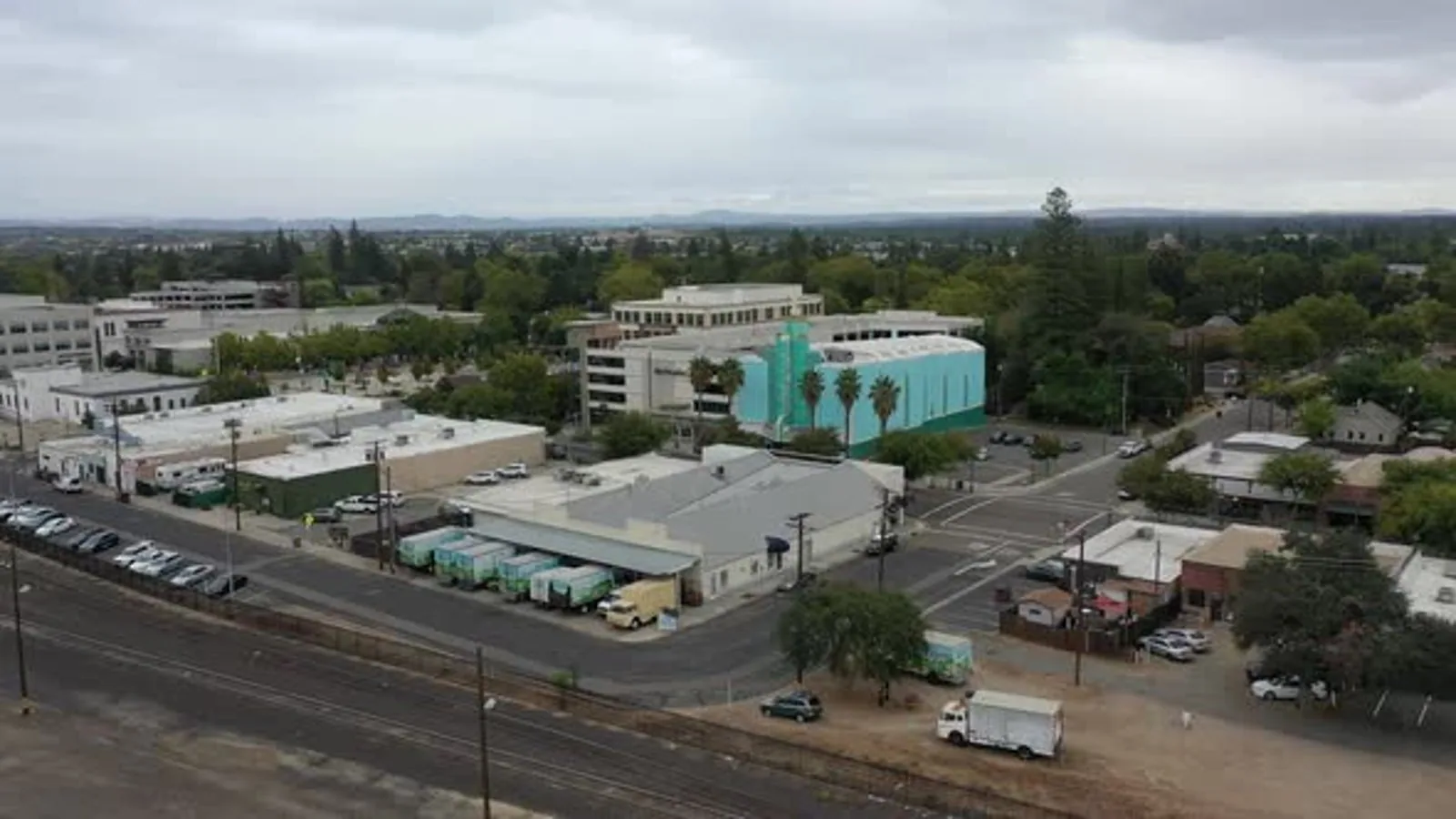
Northeast Roseville in Roseville, CA
Northeast Roseville appears as a defined area on the city’s development maps. A map boundary helps a property team sort its maintenance records; the roof itself still needs a section-by-section review. We identify the membrane and transitions, map drains and penetrations, and confirm which areas are active work zones or occupied space. That field baseline is what supports a repair, recover, or replacement decision.
Operating windows: set access before mobilizing
Roof access can depend on tenant schedules, deliveries, mechanical service, or security procedures. We confirm who controls access and which activity cannot pause, then set the work window around those limits. The plan identifies staging, material movement, debris handling, and protection below the active roof area. If a rooftop unit or conduit may be disturbed, that coordination happens before roofing begins.
Roseville’s planning framework coordinates land use, circulation, public services, and infrastructure across mapped areas. Those are planning functions, not a record of a particular property’s operating calendar. We ask the building contact for the details and capture them in the proposal. On a multi-tenant site, a phased sequence can keep entrances or service routes open while crews finish a defined section. Each stopping point needs a secure temporary edge and a record of what remains.
Our emergency line is answered around the clock, including nights, weekends, and holidays, for a sudden opening or active water entry. Planned replacement is scheduled with the contacts who manage the building below. Before mobilization, owners can review our approach to occupied-building reroofing and coordinate the roof map with their internal work calendar.
Condition record: map the actual assembly
A roof can contain more than one generation of work. An addition may meet an older membrane at a transition; a prior patch may cover a seam that failed more than once. We mark each section, identify observed materials, photograph drains and edges, and note where access limits prevent confirmation. Interior leak locations are added to the map, then compared with likely water paths above them.
Northeast Roseville’s place entry in the city maps establishes the planning area. Roseville’s plan inventory includes commercial, industrial, office, residential, and public uses across its planned geography. That mix is useful context for a property team keeping records, but it does not identify any individual building or roof. We make that distinction in the field record by tying each observation to a photographed condition rather than a neighborhood assumption.
A roof condition report should let another decision-maker understand the same roof later. It records active leaks, maintenance issues, details that need testing, and areas that should be monitored. We distinguish a loose cover strip from a failed seam and standing water from a drain blockage. If insulation may be wet, we flag the area for further confirmation rather than treating a surface scan as a complete assembly diagnosis.
Weather window: prepare for the wet months
The regional normal for July precipitation at Sacramento Executive Airport is zero; the January total is 3.66 inches. This station is not a weather sensor at a Northeast Roseville property. That dry-summer to wet-season contrast informs the timing of drain checks and exposed-detail repairs. A small opening can remain quiet for months, then admit water once repeated rain reaches the roof.
The airport normals put July’s mean high at 92.6 degrees and August’s at 91.9, with about fourteen annual days reaching 100. These readings are regional air temperatures. After summer exposure, we inspect sealants, flashing boots, termination bars, and repair edges for separation or brittleness. We test adjacent material before selecting a repair so new work has a sound surface and a compatible tie-in.
Assembly decision: match scope to moisture
A patch is useful when the defect is limited and surrounding material remains secure. We prepare the surface, make the repair, and photograph its boundary. Where the same seam or curb has opened repeatedly, a second surface patch may not resolve the underlying movement, bond, or moisture issue. If wet insulation extends beyond the visible area, the scope must identify how that extent will be checked and approved.
A recover adds another layer, so existing roof height, insulation condition, drainage, edges, and attachment all matter. New material can raise drains or reduce clearance at curbs and doors. The system also needs a secure perimeter and compatible flashing at each transition. If those adjustments cannot be made reliably, removal to a sound substrate may offer a clearer replacement scope. We compare these options after inspecting representative areas and reviewing available roof records.
Different assemblies require different repair methods. Heat-welded TPO seams, EPDM splices, modified-bitumen laps, and metal panel joints should not be treated as interchangeable. A PVC membrane or other system is selected for the assembly requirements, details, and building use. A localized repair can address limited defects; a replacement plan should define tear-off, insulation, deck work, edge metal, drainage, and closeout.
Scope factors: separate repair from capital work
Mobilization access, tear-off depth, wet insulation, deck repairs, curb changes, drainage work, and edge metal affect scope. Occupied hours and protection below the roof affect sequencing. We show those elements separately so an owner can compare proposals and decide what should happen now. If concealed layers remain uncertain, a test cut or other approved investigation can reduce the chance of pricing a replacement around an unverified assumption.
Roseville’s building criteria reference the 2025 state standards. Permit coverage depends on the roof work and any applicable exemption; the city accepts technical documents through its digital application process. We include design coordination, inspections, and approval steps in the schedule. The owner should know which work is included, what needs a separate trade, and how concealed conditions will be authorized.
It can be useful to separate emergency water control from longer-term roof work. Temporary protection, a focused repair, and replacement address different time horizons. We document which condition is creating immediate risk, what the repair will accomplish, and which capital decision can be scheduled after a fuller assembly review. That makes the proposal easier to review with operations and budget owners.
Review: share the building constraint
For an assessment in Northeast Roseville, tell us which section is affected, when the leak appears, and what areas below must stay in use. Existing drawings and repair invoices can help establish prior work. We confirm current conditions in the field, photograph the details, trace drainage, and state what needs further testing. The report should give the property team a defined next action, with repair limits and access assumptions visible.
Portfolio teams can coordinate inspections across separate planning areas without treating roofs as identical. Keep a map, condition record, and maintenance history for each building. If one building has standing water while another has a seam leak, the priorities and scopes should remain distinct even when access is scheduled together. Our review ties findings to the property contact, site access, and the work window.
Owners coordinating facilities elsewhere in the city can also see Roseville service coverage, North Roseville roof service, and Southeast Roseville. We will document the roof condition and proposed sequence for the actual building under review.
Commercial Roofing Questions
Does the Northeast Roseville map identify which properties are commercial?
It identifies a planning area and its citywide context. We use the building record and site visit to confirm current use, roof assembly, access, and condition.
What should be checked before winter rain?
We inspect drains, overflow routes, seams, penetrations, edges, and prior repairs. Any opening or blocked path is recorded with a location and recommended action.
Can tenants remain in the building during roof work?
Often the work can be phased around occupied areas. We set staging, protection, access, and daily limits with the property contact before material is removed.
How do you distinguish a repair from a replacement need?
We examine the defect, surrounding bond, insulation, attachment, deck, and history of repeat failures. The report states the repair boundary and any areas that need testing.
Can the roof inspection include operating records?
Yes. Leak dates, repair invoices, roof drawings, equipment schedules, and access rules help connect the field condition to the building’s use and maintenance plan.
Related Roofing Pages
Other pages that cover related roofing work.
Schedule a Northeast Roseville roof assessment
Share the affected area, leak timing, building use, and access limits. We will inspect the assembly, map conditions, and document a practical next step. 555-555-5555
Commercial Roofing in Northeast Roseville, CA FAQs
Common questions about this topic for Roseville commercial buildings.
Does the Northeast Roseville map identify which properties are commercial?
It identifies a planning area and its citywide context. We use the building record and site visit to confirm current use, roof assembly, access, and condition.
What should be checked before winter rain?
We inspect drains, overflow routes, seams, penetrations, edges, and prior repairs. Any opening or blocked path is recorded with a location and recommended action.
Can tenants remain in the building during roof work?
Often the work can be phased around occupied areas. We set staging, protection, access, and daily limits with the property contact before material is removed.
How do you distinguish a repair from a replacement need?
We examine the defect, surrounding bond, insulation, attachment, deck, and history of repeat failures. The report states the repair boundary and any areas that need testing.
Can the roof inspection include operating records?
Yes. Leak dates, repair invoices, roof drawings, equipment schedules, and access rules help connect the field condition to the building’s use and maintenance plan.