
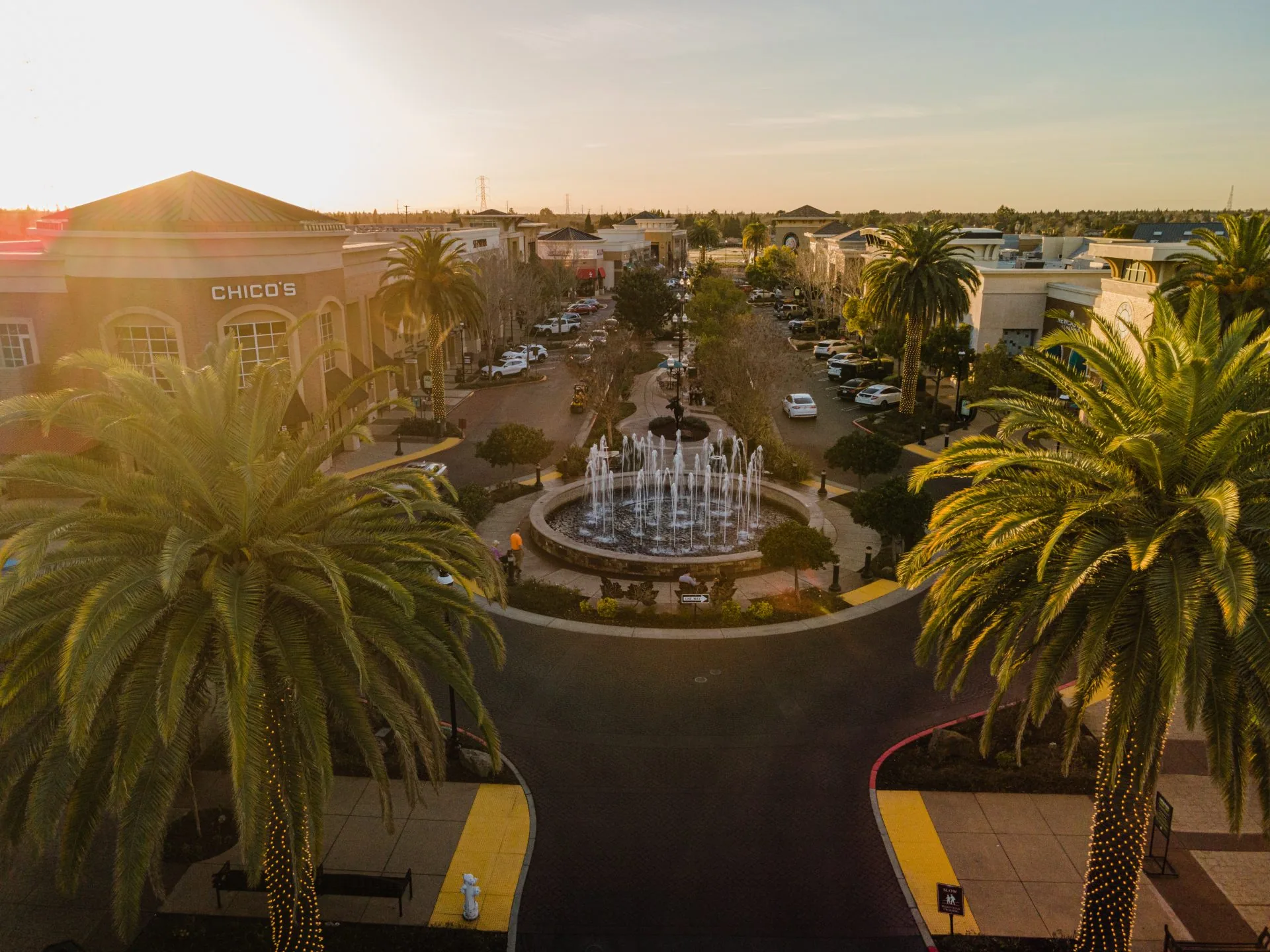
Southeast Roseville in Roseville, CA
Roof work in Southeast Roseville can intersect with a property expansion, change of use, or a routine repair cycle. Roseville requires development applications for new construction, expansions, and changes of use. For an existing roof, the field condition still leads: we inspect the assembly, drainage, and transitions, then coordinate the scope with the building schedule and any known site work.
Repair call: find the limit of sound material
A small opening near a penetration can look simple from below. On the roof, we check the flashing, membrane bond, nearby seam, and insulation before defining a repair. If the defect is isolated, a compatible patch may restore the detail. If water has moved under the surface or similar repairs have failed nearby, the boundary should include the surrounding assembly that needs inspection.
Roseville’s development framework accounts for commercial, office, industrial, and residential uses in designated areas. That context does not tell us the use or roof type at an individual Southeast Roseville property. We ask the contact how the building operates and what access rules apply, then record them with the roof findings. A leak repair assessment should trace entry points and likely travel paths, not simply treat the ceiling mark as the work location.
When a leak arrives after rain, note the timing, affected rooms, equipment above, and any recent work by other trades. We compare those details with drain bowls, scuppers, laps, curbs, and penetrations. A repair map then shows what was checked and what remains uncertain. The written scope should state where the repair starts and stops, how the tie-in is made, and which observation would change the recommendation.
Inspection findings: compare sections and transitions
Many roof decisions are shaped by the way different sections meet. An original roof may connect to a later addition at a raised edge. A new curb may interrupt an older drain path. We mark those transitions, identify observed materials, and photograph the detail from enough distance to show its location as well as close up to show the condition. This lets the owner distinguish a single defect from a pattern.
Southeast Roseville is one of the planning areas named in the city plan inventory. Plans account for different land uses, while the inspection record must describe the actual building and roof. We separate observations by roof section and include access limits, maintenance history, and leak dates when available. A condition report with a roof map can support a repair authorization, capital meeting, or bid review without turning uncertain details into assumed facts.
Moisture tools can help identify areas for closer investigation, especially when the surface does not show the full extent of wet insulation. Infrared patterns are indicators, not a substitute for confirming the assembly. We compare the scan with roof conditions, then recommend targeted verification where the result affects repair or replacement. The report should identify what was directly observed and where opening or testing is needed to decide whether the material can remain.
Seasonal exposure: inspect after heat, before rain
Sacramento Executive Airport’s 1991 to 2020 normal lists July precipitation at 0.00 inches and January at 3.66. That regional record is not a gauge at a Southeast Roseville property. A long dry interval can make it easy to postpone small detail work. Before the wet months, we check open laps, flashing, sealant, drains, and overflow paths so the owner can distinguish routine maintenance from a water-entry risk.
Drainage review includes the drain bowl and surrounding field, not only the strainer. We check low areas, scuppers, overflow routes, and signs that water is reaching a parapet or entry. Clearing debris may restore flow, but recurring ponding can point to slope or deck concerns. A ponding-water review helps define whether the response is cleaning, detail repair, insulation adjustment, or a design question.
Assembly scope: test the layers before adding one
A coating or recover does not correct trapped moisture or a failed deck. We check membrane condition, adhesion, patch history, and the substrate before recommending a surface restoration. If the roof is dry and stable, restoration may be considered with compatible preparation and detailing. If moisture is present, the owner needs a boundary and a plan to remove or isolate affected material instead of covering it.
A replacement estimate should state tear-off limits, insulation, cover board, attachment, perimeter securement, flashing, drains, and equipment curbs. Added roof height can affect drain bowls, door transitions, and the clearance around curbs. The proposal should show how new work ties to retained sections and where temporary dry-in is required. These items affect both cost and sequence, so they should be visible before the owner compares bids.
System details differ. A modified bitumen assembly does not use the same seam treatment as TPO or EPDM. Metal panels bring different movement and fastening details. We identify the existing system first, then compare a restoration option with a replacement scope where it is technically supportable. Compatibility and drainage are part of that decision, not details to settle after the material is selected.
Project planning: account for change and approvals
Cost and schedule depend on the actual work: material removal, deck condition, wet insulation, curb modifications, drain adjustments, edge metal, staging, and protection below. An expansion or change of use can introduce new penetrations or equipment needs. We coordinate the roofing scope against known plans and mark who is responsible for related trades. No new curb or support should be placed through a finished membrane without a detail and tie-in plan.
Roseville’s applicable code set includes the 2025 California Building Standards Code. The city says regulated construction, alteration, and repair work requires a permit unless exempt, and permit applications and technical documents are submitted digitally. We review the proposed roofing work with the owner and account for any required design or approval step in the schedule. Development application requirements for a site project and roofing permits should be coordinated rather than assumed to be the same process.
Trade coordination: keep penetrations accountable
For occupied buildings, we agree on access, staging, noise windows, tenant notifications, and temporary protection. A day-by-day sequence should identify which area is open, which areas are watertight, and how deliveries or service access will be maintained. If unexpected water entry occurs, our emergency response operates around the clock.
Where a property program also includes Northeast Roseville or Highland Reserve North, we can schedule coordination across sites. The condition maps and scopes remain property-specific, so the same repair detail is not assumed to apply to each roof.
Assessment: define the project question
Tell us whether the immediate issue is an active leak, recurring ponding, a planned equipment change, or a capital replacement decision. Share when the condition appears, which interior area is affected, and what work is planned nearby. We will inspect accessible roof areas, map drainage and transitions, and photograph the conditions that set the scope. If the assembly cannot be confirmed without a test cut, the report will identify that decision point.
To arrange a review, share the building use, leak timing, roof access contact, and any upcoming trade work. We will explain the condition, define the repair boundary, and provide a scope that states what is known and what needs confirmation. If the need is urgent, call our around-the-clock emergency line so active water entry can be assessed promptly.
Commercial Roofing Questions
Can an expansion affect a roof repair plan?
Yes. New equipment, penetrations, or changed access can alter flashing and drainage details. We coordinate known project drawings and trade scopes before closing in the roof.
How do you decide whether a coating is appropriate?
We check adhesion, moisture, membrane condition, and detail integrity. A coating is considered only where the assembly can support preparation and where the system addresses the actual condition.
What information helps diagnose a recurring leak?
Leak timing, interior locations, prior repair records, weather exposure, and recent trade work help us compare the report with roof details. We then inspect and document the likely path.
Will you inspect the roof around new equipment?
We can review the existing assembly, planned curbs or penetrations, drainage effects, and tie-in details. The work plan should identify trade responsibility for each opening and membrane repair.
How should bids handle concealed damage?
The proposal should state the included limits and approval steps for added deck or insulation work. Photos and documented quantities help the owner decide before the crew extends the scope.
Related Roofing Pages
Other pages that cover related roofing work.
Plan a Southeast Roseville roof review
Share the active roof issue or upcoming project, affected area, leak timing, and access limits. We will document conditions and map a clear scope. 555-555-5555
Commercial Roofing in Southeast Roseville, CA FAQs
Common questions about this topic for Roseville commercial buildings.
Can an expansion affect a roof repair plan?
Yes. New equipment, penetrations, or changed access can alter flashing and drainage details. We coordinate known project drawings and trade scopes before closing in the roof.
How do you decide whether a coating is appropriate?
We check adhesion, moisture, membrane condition, and detail integrity. A coating is considered only where the assembly can support preparation and where the system addresses the actual condition.
What information helps diagnose a recurring leak?
Leak timing, interior locations, prior repair records, weather exposure, and recent trade work help us compare the report with roof details. We then inspect and document the likely path.
Will you inspect the roof around new equipment?
We can review the existing assembly, planned curbs or penetrations, drainage effects, and tie-in details. The work plan should identify trade responsibility for each opening and membrane repair.
How should bids handle concealed damage?
The proposal should state the included limits and approval steps for added deck or insulation work. Photos and documented quantities help the owner decide before the crew extends the scope.