Commercial Cool Roof Installation in Roseville, CA
A reflective roof can change how much solar energy the surface absorbs, but the membrane color is only one part of the roof's performance. Insulation, air leakage, equipment, drainage, and the existing assembly still matter. We inspect the deck and current system, review project requirements, and explain which reflective materials fit the building. Roseville, CA has substantial summer heat in the nearby Sacramento Executive Airport record. Those long-term station figures are regional context, not a promise about a specific roof temperature or utility bill.
Summer exposure: choose the surface with the assembly
NOAA normals from nearby Sacramento Executive Airport show average July and August highs above 90 degrees, with recurring triple-digit days. The station is not in Roseville and does not measure a customer's roof. The regional heat profile makes surface reflectance a relevant design question for commercial buildings, especially where the roof is exposed through long summer days. We evaluate that question with insulation and HVAC context rather than present reflectance as a complete energy plan.
A reflective single-ply membrane, a coated roof, and a metal system each have different substrates, attachment, seams, and maintenance requirements. A white TPO assembly may be appropriate when the deck and details support it. An acrylic coating may fit an eligible existing roof; other coating chemistries have different water and cure requirements. We compare options after verifying moisture, adhesion, drainage, and roof condition.
Existing roof: determine whether it can be covered
We examine seams, flashing, insulation, attachment, penetrations, edge metal, and drains before proposing a reflective system. A sound existing assembly may be suitable for a recover or coating after preparation. Wet insulation, loose attachment, or deteriorated deck changes that decision. We map suspect areas and verify them with appropriate readings or cores rather than assume an even-looking surface is dry.
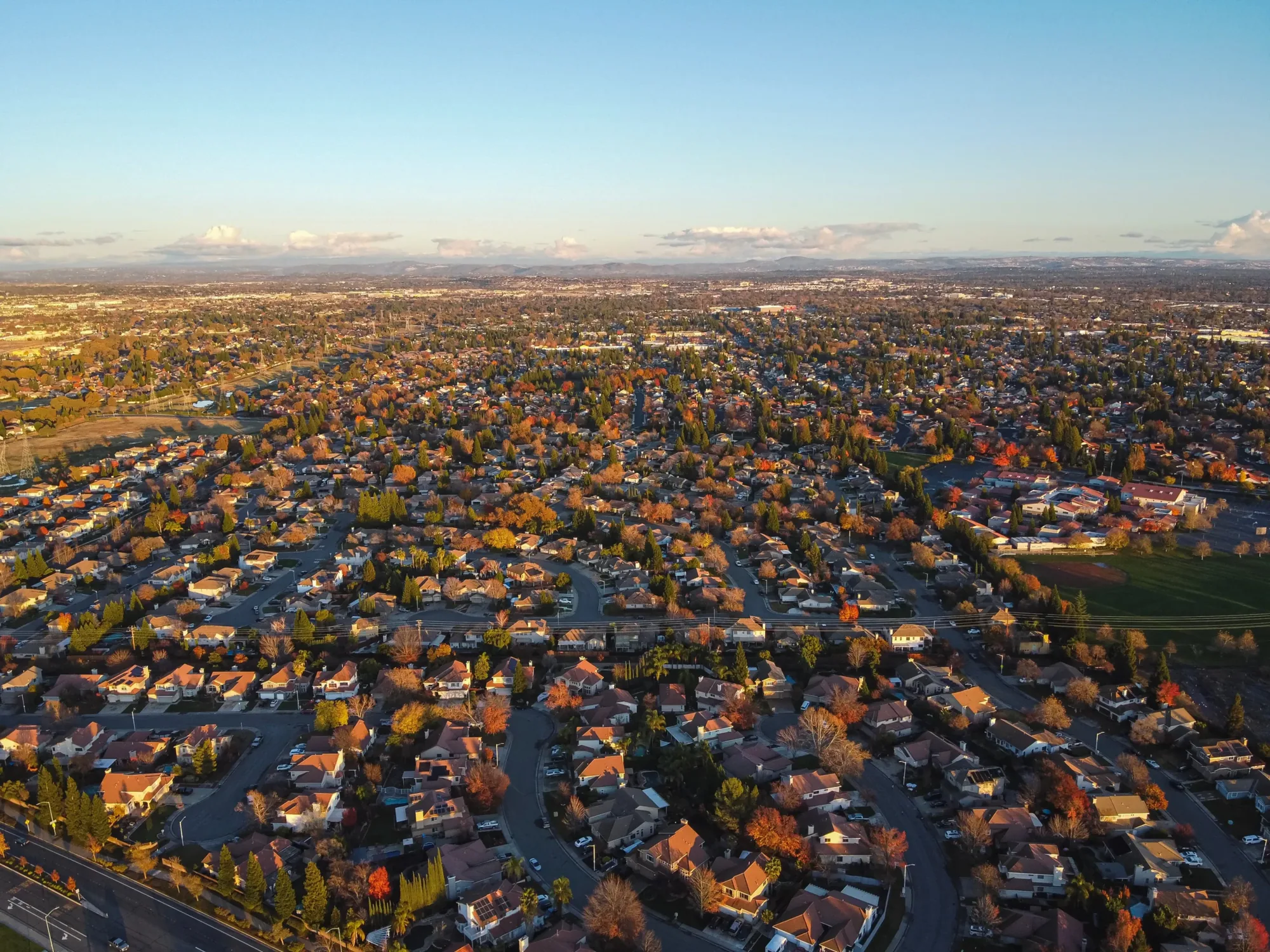
Roseville's North Industrial Area is planned primarily for industrial use, while the city maintains commercial corridor plans for Atlantic Street, Douglas-Harding, and Douglas-Sunrise. These areas have varied building functions and roof details. We check the property rather than infer the assembly from location. A roof inspection establishes the repair and removal boundaries. If the existing membrane is stable but the surface is worn, a coating review can test whether restoration fits.
Reflective system: review product and performance criteria
We identify the proposed membrane or coating, substrate, primer, insulation, attachment, and detail accessories.
If a reflectance requirement applies, the specification should name its standard, product data, and verification method.
Color alone is not evidence of compliance.
If two products meet the same threshold, we compare substrate compatibility, repair method, drainage details, and the effect of future rooftop service.
Product data may report solar reflectance and thermal emittance under specified test methods; we match the named criterion to the selected product.
The roof still needs reliable seams, terminations, drain connections, and perimeter attachment.
Roof system choice affects future repair.
Heat-welded TPO has weldable laps.
Coating systems depend on surface preparation, coverage, and recoat compatibility.
Metal roofs have panel joints and fasteners that move.
We discuss maintenance access and how to repair each system after rooftop trades disturb it.
A roof insulation review can show whether the assembly needs additional thermal protection or a cover board to support the surface.
Facility use: plan work around equipment and occupants
Reflective roof work can involve tear-off, cleaning, adhesive or coating odor, hot-air welding, and equipment shutdowns. We identify air intakes and the rooms below before staging material. Rooftop equipment may need protection or a mechanical contractor for temporary relocation. The work sequence sets how much roof is open and how the crew will dry in each section at shift end.
Roseville Parkway connects shopping and dining destinations, office buildings, and residential neighborhoods. Those properties may need tenant notices and customer paths protected. In North Industrial, loading lanes and production activity can control delivery timing. We map the access route, safety zone, and material staging with the facility contact. An occupied-building sequence can reduce disruption while the reflective roof is installed and tied into existing curbs and edges.
Drainage and insulation: protect the investment
A cool roof should not make drainage worse. We check low spots, drains, scuppers, overflows, and slope before the new system goes down. If a coating or membrane changes the surface height, drain bowls and curb transitions must still work. Tapered insulation may help direct water, but only when the roof elevations and outlet positions allow it.
We also inspect joints and attachment that could create thermal bridges or weak points. A reflective surface will not compensate for gaps in insulation or wet material. A drainage inspection can identify outlet corrections; a ponding repair review can separate water path issues from membrane work. Roseville's wet season follows a notably dry summer in the nearby station record, so the completed assembly should be checked before runoff returns.
Project scope: compare complete roof systems
Price depends on the existing system, tear-off or preparation, insulation, cover board, membrane or coating, edge metal, drains, equipment access, and warranty requirements. A reflective membrane installed over a failing deck does not solve the deck problem. We identify roof repair, energy criteria, and access as separate scope items so the owner can compare proposals.
Roseville's 2025 building safety criteria lists the current California building standards code, including the energy code. We verify the requirements applicable to the project, along with local permit rules, before finalizing the assembly. Any energy performance estimate should be prepared from building-specific information by the appropriate professional. A capital comparison can weigh reflective restoration against insulation upgrades or replacement across the planned budget horizon.
Closeout: record the installed materials
Closeout includes product and layer information, attachment, photos of seams and details, and any test results required by the project. We identify areas where existing components remain and note any condition that was excluded. The maintenance file should state how to route future service traffic and what cleaning or inspection is appropriate for the selected system.
Share roof plans, current system details, utility or energy requirements, leak history, and operating constraints when you request an evaluation. Tell us which equipment must remain online and what portions of the building need protection. We will inspect the roof, compare reflective options with the assembly, and document the repair or replacement scope. The result is a system decision based on roof condition, code, drainage, and how the Roseville facility operates.
Commercial Roofing Questions
Will a reflective roof lower our energy bill by a set amount?
We do not promise a savings figure from roof color alone. Results depend on insulation, HVAC efficiency, building hours, internal loads, and climate. A building-specific energy analysis is needed to estimate utility impact.
Can a reflective coating go over any existing roof?
No. The existing membrane must be sound, dry, compatible, and prepared for the selected coating. We inspect adhesion, moisture, seams, and drainage, then use a test area when compatibility needs confirmation.
Is a white membrane the same as a cool roof?
A light surface may reflect more solar energy, but the product's tested performance and project requirements matter. We review product data and the applicable specification rather than treating color as proof.
Can you install a reflective roof while the building is occupied?
Often, with phased work, protected intakes, controlled staging, and a dry-in plan for each shift. Equipment and tenant requirements affect the sequence, so we coordinate the work zones before starting.
Should we add insulation when installing a reflective membrane?
The deck, current layers, energy criteria, moisture, and roof height determine whether additional insulation fits. We review the assembly and applicable code before specifying layers or tapered slope.
Related Roofing Pages
Other pages that cover related roofing work.
Review a reflective roof option
Share roof plans, current assembly details, energy requirements, and operating constraints. We will inspect the substrate, compare reflective systems, and document the full scope. 555-555-5555
Commercial Cool Roof Installation in Roseville, CA FAQs
Common questions about this topic for Roseville commercial buildings.
Will a reflective roof lower our energy bill by a set amount?
We do not promise a savings figure from roof color alone. Results depend on insulation, HVAC efficiency, building hours, internal loads, and climate. A building-specific energy analysis is needed to estimate utility impact.
Can a reflective coating go over any existing roof?
No. The existing membrane must be sound, dry, compatible, and prepared for the selected coating. We inspect adhesion, moisture, seams, and drainage, then use a test area when compatibility needs confirmation.
Is a white membrane the same as a cool roof?
A light surface may reflect more solar energy, but the product's tested performance and project requirements matter. We review product data and the applicable specification rather than treating color as proof.
Can you install a reflective roof while the building is occupied?
Often, with phased work, protected intakes, controlled staging, and a dry-in plan for each shift. Equipment and tenant requirements affect the sequence, so we coordinate the work zones before starting.
Should we add insulation when installing a reflective membrane?
The deck, current layers, energy criteria, moisture, and roof height determine whether additional insulation fits. We review the assembly and applicable code before specifying layers or tapered slope.