
West Sacramento in Roseville, CA
Seams above a work area can let rain reach an occupied floor before anyone sees the opening. West Sacramento sits across the Sacramento River from Sacramento, within the same regional market as Roseville. We inspect the membrane, seams, curbs, edge metal, and drain paths, then show which conditions call for a local repair and which warrant broader investigation. That first record lets a facility director plan roof work around access, deliveries, tenants, and the building's daily use.
Next step: Start with the water path
Water on a ceiling rarely points straight up to the roof opening. It can move along a deck, insulation joint, or structural member before it appears indoors. We compare the leak location with roof seams, penetrations, drains, and previous patches. Photos and a roof map tie each observation to a specific section, so a repair bid does not grow from a guess about the entry point.
The roof walk also records membrane condition, flashing at curbs, edge details, drain bowls, and places where foot traffic has worn the surface. If a wet area is suspected, we can use appropriate testing, including infrared moisture survey, to help locate affected insulation. Results guide the next step; they do not replace opening or other confirmation when the assembly needs it. A commercial roof inspection with a written condition record gives ownership a baseline for repair and capital planning.
Climate risk: Plan around the dry-to-wet shift
For the nearby Sacramento Executive Airport, the normal July precipitation total is effectively zero; January's monthly average is 3.66 inches. The airport represents the nearby regional climate for this seasonal planning cue. The long dry interval gives a small opening time to widen before winter rain tests a seam, flashing, or drain transition.
We use the seasonal contrast to plan the field check, then inspect the actual assembly. After summer, we look for lifted repair edges, brittle sealant, open laps, and movement around penetrations. Before the wetter months, we follow water from each high point to the drain and overflow. If an interior stain appeared after rain, we trace likely paths through the roof rather than assume the nearest detail is responsible. Scheduling a preventive roof maintenance visit before seasonal rain gives the owner time to approve work and coordinate access.
Repair options: Keep the roof scope tied to the site plan
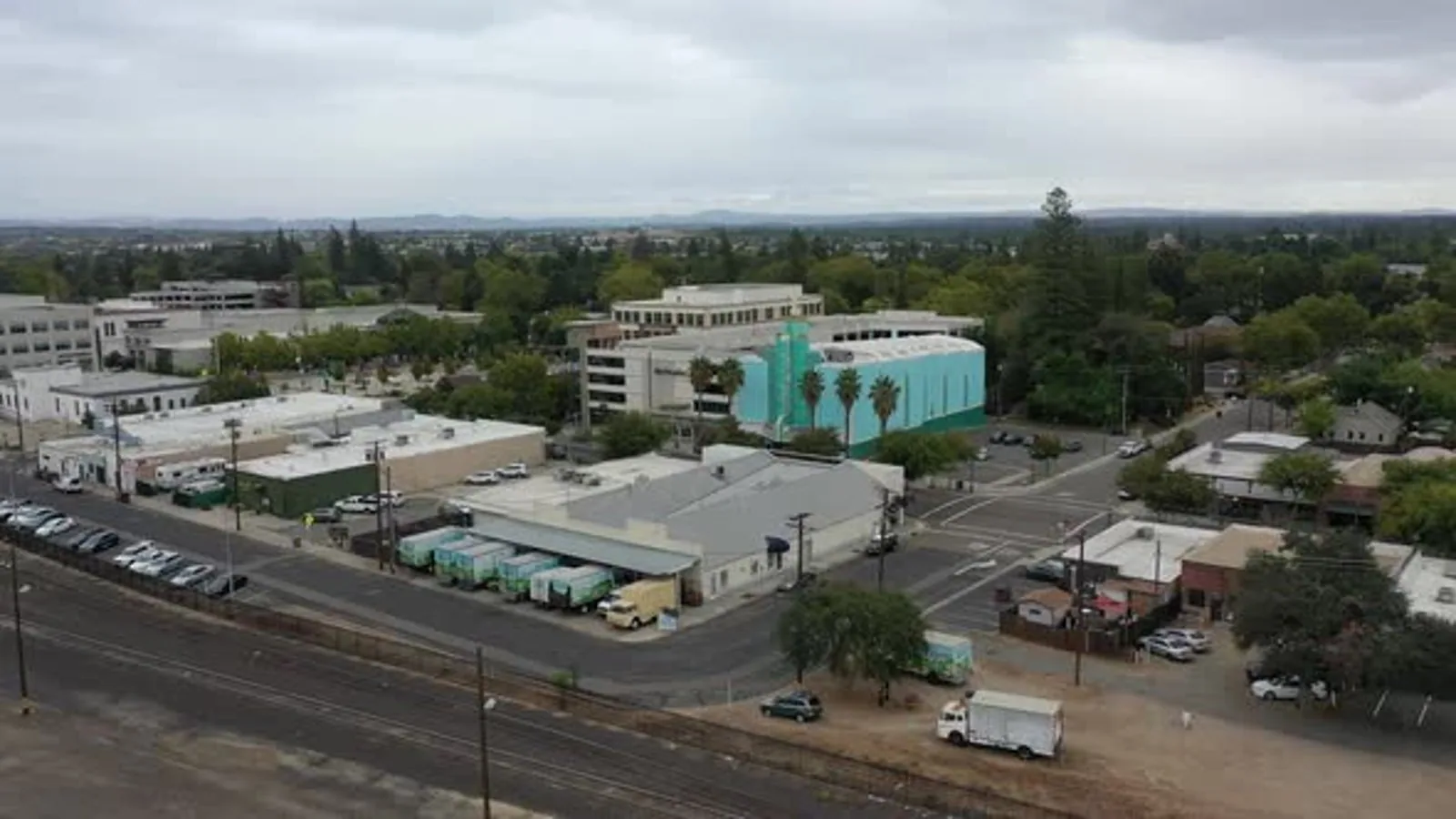
West Sacramento includes a broad Southport planning area with industrial and employment land across multiple properties. At an operating property, we confirm the roof system, current condition, and work schedule with the facility contact before planning access and staging. The work plan identifies roof access, material staging, protected entrances, equipment routes, and the areas that must remain open during the shift.
For a property with delivery activity, agree on the work window and loading limits before materials arrive. If rooftop equipment needs service during the project, mark a clear route to each unit and set a contact for schedule changes. Temporary dry-in should protect the active work area at the end of each shift. On an occupied building, the sequence should also cover debris removal, noise, and communication with the people using the space below. A review for warehouse roofing or a reroof on an occupied building should document these constraints before the bid is finalized.
System choice: Choose the scope that fits the assembly
A local patch is useful when the defect is isolated and the surrounding membrane remains sound. We clean and prepare the surface, select compatible materials, and record where the repair begins and ends. Several leaks, recurring seam movement, or wet insulation change the decision. The owner may need a broader survey or test cut before comparing restoration with replacement. Each option should state what remains in place and how the new work ties into it.
A recover may reduce removal when the existing assembly is suitable and dry enough to receive another layer. It is not a way to bury wet insulation or a failing deck. A tear-off can expose concealed conditions and allow a new assembly, but it changes debris handling, schedule, and access. Coating restoration has its own preparation, adhesion, and detail requirements. We inspect the substrate and drainage first, then explain why roof coating restoration, recover, or replacement fits the actual roof.
Cost follows the scope: roof area, number of details, insulation condition, material compatibility, access, staging, and protection of equipment all matter. A clear proposal separates immediate leak control from broader capital work. It also sets an approval point if opening the roof reveals conditions that could not be confirmed from the surface.
Next step: Match materials at every transition
Membrane choice is only part of the assembly. At curbs, parapets, expansion joints, and drain bowls, the transition has to match the existing roof and move water where intended. TPO, PVC, EPDM, modified bitumen, built-up, and metal systems each use different preparation and attachment details. We identify the installed material before specifying a repair. A patch that bonds poorly or leaves an incompatible edge can fail even when the visible opening looked simple.
When replacement is under review, compare the complete scope: insulation, cover board, attachment, membrane, edge securement, flashings, and drainage. Rooftop units may need temporary protection or a planned tie-in while the crew works. The final inspection should check seams, corners, penetrations, and drain transitions, then record closeout photos. TPO may be considered alongside other assemblies only after the roof's use, substrate, and details are understood. Those choices are made on the building, not from a district label.
Inspection record: Leave with a usable roof record
Before the review, gather roof drawings if available, prior repair tickets, leak dates, and any operating limits that affect access. We will map the sections, photograph the details, trace drainage, and identify areas that need testing or a closer look. The report should distinguish observed damage from suspected concealed moisture and show which items can be repaired now. If the project must be phased, it should mark temporary edges and the tie-in points between stages.
West Sacramento's position across the river from Sacramento places it in the broader regional market connected with Roseville. That makes a consistent condition record useful when ownership compares several properties, but each roof still needs its own inspection and scope. Tell us which area is affected, when water appeared, and who can coordinate access. We can provide a written roof map, photos, and repair options. For nearby work in the Southport industrial area or Roseville, keep each property record tied to its own building and operating plan.
Commercial Roofing Questions
What should we provide before a roof inspection in West Sacramento?
Bring prior leak dates, repair records, roof plans if available, and the contact who can arrange access. We will map visible conditions, photograph details, and identify where testing or a closer review may be useful.
Does Southport's industrial planning tell us what roof system a building has?
No. It describes a broad area with industrial and employment land across multiple properties. The roof material and condition must be confirmed at the building before repair or replacement is specified.
Can we repair one leak while budgeting for a larger project?
Yes, when the failure is limited and nearby materials remain sound. We can document the immediate repair separately from moisture testing, recurring seam work, or a capital replacement scope.
How does the winter rain pattern affect scheduling?
NOAA's nearby Sacramento Executive Airport record lists no average July precipitation and 3.66 inches for January. We use that regional seasonal shift to time drain and detail checks, then set priority from the conditions recorded on your roof.
Related Roofing Pages
Other pages that cover related roofing work.
Schedule a West Sacramento roof review
Share the affected roof area, leak timing, and any operating or access limits. We will document the condition, drainage path, and repair boundary so you can set the next scope. 555-555-5555
Commercial Roofing in West Sacramento, CA FAQs
Common questions about this topic for Roseville commercial buildings.
What should we provide before a roof inspection in West Sacramento?
Bring prior leak dates, repair records, roof plans if available, and the contact who can arrange access. We will map visible conditions, photograph details, and identify where testing or a closer review may be useful.
Does Southport's industrial planning tell us what roof system a building has?
No. It describes a broad area with industrial and employment land across multiple properties. The roof material and condition must be confirmed at the building before repair or replacement is specified.
Can we repair one leak while budgeting for a larger project?
Yes, when the failure is limited and nearby materials remain sound. We can document the immediate repair separately from moisture testing, recurring seam work, or a capital replacement scope.
How does the winter rain pattern affect scheduling?
NOAA's nearby Sacramento Executive Airport record lists no average July precipitation and 3.66 inches for January. We use that regional seasonal shift to time drain and detail checks, then set priority from the conditions recorded on your roof.