
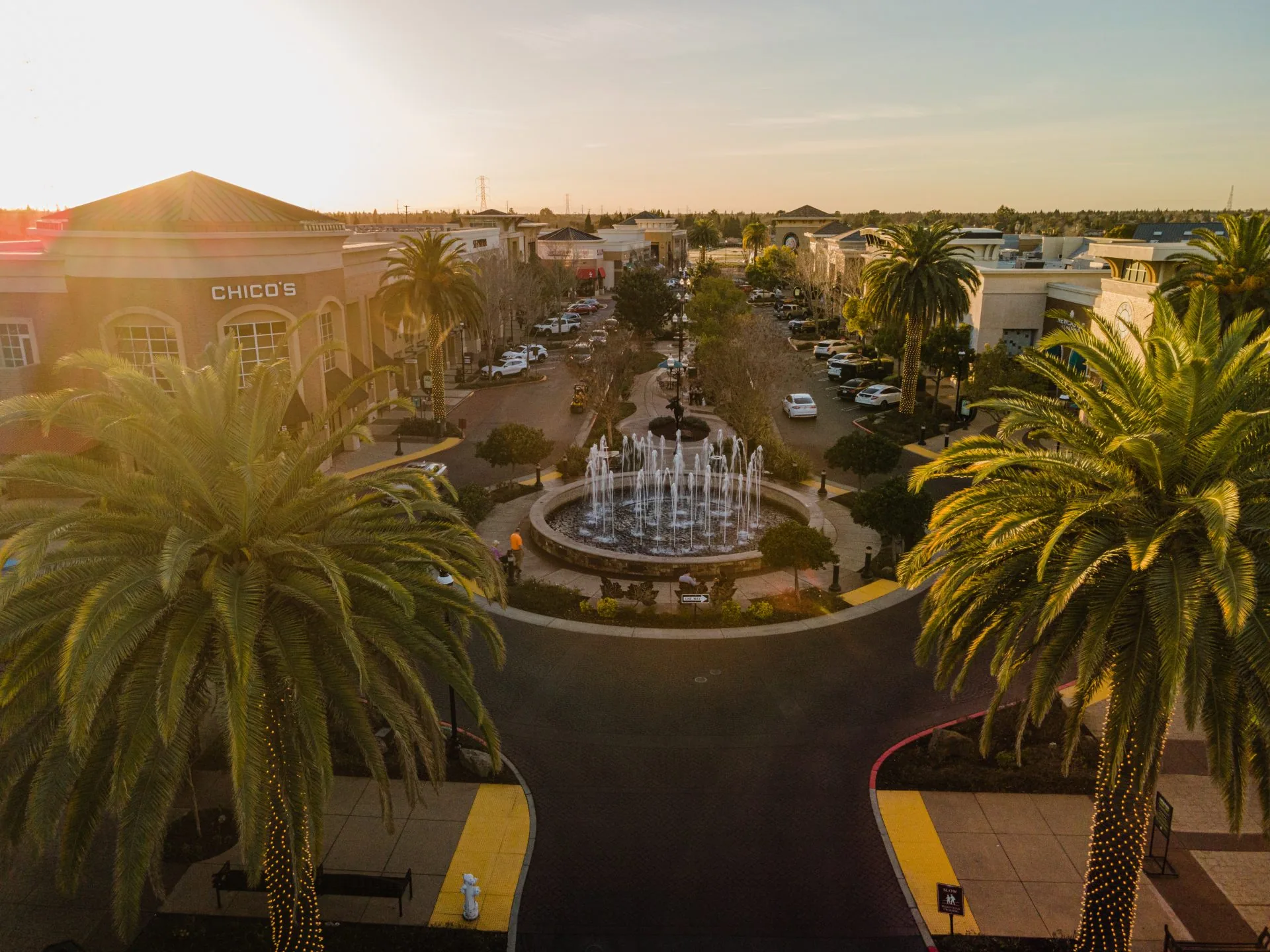
Sunset Area near Roseville in Roseville, CA
A site in the Sunset Area may sit within a business-park, light-industrial, innovation, eco-industrial, or general-commercial designation. Those labels describe planned land use, not a particular building's roof. We inspect the property, identify the assembly and drain path, and set a repair boundary from what is present. When access or nearby work affects staging, the sequence belongs in the roof scope before crews mobilize.
Area context: define the property before the scope
The Sunset Area covers a broad stretch of unincorporated south Placer County between Roseville, Rocklin, and Lincoln. The county plan identifies it west of State Route 65 and includes several employment and commercial land-use designations. A roof project here needs a clear property boundary, access contact, and site plan. We do not assume the designation tells us whether a specific structure is built, occupied, or equipped with a particular roof system.
For an owner considering repair or replacement, the first useful record is a roof map. We label roof sections, drains, scuppers, equipment curbs, edges, and known repairs. We add the leak location and photos that show the detail in context. A condition report and roof map let a facilities group compare buildings or bids without transferring one assembly's defects to another. If a section cannot be reached safely, the record states what access or equipment is needed to finish the review.
Roseville, Rocklin, and Lincoln all border the broad Sunset Area geography described in county planning materials. Where an owner operates across municipal boundaries, we can schedule site reviews together and retain separate repair histories, photos, and scopes for each property. That distinction matters when the same portfolio team is coordinating building work on both sides of a city line.
Seasonal shift: close openings before winter
Roseville-area scheduling can use the Sacramento Executive Airport normal as a regional cue: January averages 3.66 inches of precipitation, while July averages 0.00. The station does not measure every Sunset Area property. A long dry interval is still a practical time to examine seams, pipe boots, curb flashings, and exposed repair edges before rain returns. Small openings can admit water when a roof has been through repeated wet-weather cycles.
July and August mean daily highs at Sacramento Executive Airport both exceed 91 degrees. That regional record is a reason to inspect exposed sealant, membrane edges, and older patches during a dry-weather visit. We check adhesion and the surrounding substrate before selecting a compatible repair.
Drainage is part of the same pre-rain review. We check the outlet, surrounding membrane, overflow route, and roof area feeding each drain. Debris may block flow; recurring ponding may call for a slope or assembly review. A drain and scupper inspection records what is obstructed and whether a larger correction is warranted. If water remains after an outlet is cleared, a drain cleaning alone does not explain the condition.
Repair or renew: verify the layers
A local patch is appropriate only when the opening has a defined edge and the surrounding system can hold a compatible tie-in. We check the membrane type, seam condition, bond, and substrate before preparing the repair. If several patches have lifted or water has traveled below the surface, the inspection looks for a pattern rather than extending the same surface repair. The report identifies the work limit and any nearby section that should be monitored.
A recover can avoid full tear-off when the existing layers are dry, stable, and able to carry the new assembly. Added height changes how the roof meets drains, curbs, parapets, and doors. We review attachment and edge conditions before proposing an overlay. Widespread wet insulation or damaged decking can require removal of affected layers. A recover assessment should identify those checks, while a replacement scope should name tear-off limits, insulation, cover board, securement, flashing, and closeout.
The county plan's mix of business-park, industrial, and general-commercial designations means roof requirements can vary by the actual planned use, loading, equipment, and occupied space. We verify those factors with the owner rather than infer them from the area label. A low-slope assembly may call for a membrane repair; a metal roof needs panel, fastener, and transition details considered. If a property has different sections, we separate recommendations so one repair does not dictate the wrong method for another assembly.
Staging: keep roof access clear
Before starting, we confirm where the crew enters, how material reaches the roof, and what operations below must continue. A truck route, loading area, tenant entrance, or mechanical service window can shape daily staging. The plan states where debris is handled, when rooftop equipment access is needed, and how completed work is protected from another trade. For properties with several roof sections, we set phase boundaries and leave each day's edge watertight.
For nearby portfolio work, review our Roseville service area, Rocklin roofing service, and Lincoln coverage. One calendar can organize visits. Each property's condition report and photo record should still remain separate, especially if roof systems, work limits, or maintenance timing differ.
Cost and timing: make unknowns visible
Access, tear-off depth, wet insulation, deck repairs, drain adjustments, edge metal, penetrations, and rooftop equipment protection all affect a proposal. Material staging and the hours available above an occupied space also matter. We divide the scope into observable work and questions that require testing. If the deck is hidden, a test cut may establish whether the existing layers can remain. The estimate should state how concealed conditions will be photographed, priced, and approved.
The Sunset Area spans unincorporated county land between Roseville, Rocklin, and Lincoln. Each parcel's authority reviews its own work scope. We coordinate design review, permit timing, inspections, and owner approvals with the responsible project team before setting mobilization; the area name does not determine that process.
Site review: bring drawings and leak history
Share the property location within the Sunset Area, the roof section involved, when water appeared, and any access or operating limit. Existing drawings, leak logs, invoices, and equipment plans help us organize the first walk. We inspect the membrane, transitions, edges, and drainage, then map the observations and photograph the relevant details. If testing or a design review would change the recommendation, the report identifies that decision point.
Our next step may be a focused repair, a maintenance visit before the rainy season, a moisture investigation, or a replacement scope. We explain the repair boundary and how the work will be staged. For an owner with several facilities across the planning area, consistent roof maps make the portfolio easier to manage without assuming that systems or conditions match.
Schedule a review with the person who controls roof access and can confirm what must remain operational. We will document the affected assembly, water route, access plan, and work needed to return the roof to a secure condition.
Commercial Roofing Questions
Is the Sunset Area a city or one commercial property?
It is an unincorporated county planning area between Roseville, Rocklin, and Lincoln. We use the exact property location and jurisdiction to plan access and review the building itself.
Do the land-use designations tell you which roofs are present?
No. We confirm the property's use and roof assembly during the site review. The county designations help frame planned uses, but they do not identify a building's current membrane or condition.
When should roof details be checked in this climate?
Before the wetter months is a practical window to inspect exposed seams, flashings, and drains. Roseville's nearby station record shows very dry July normals and more precipitation in January.
Can one proposal cover several facilities in different cities?
We can coordinate scheduling across the portfolio, but each building needs its own system description, photos, repair limits, and permit path. That keeps the work tied to the property reviewed.
What can delay a recover or replacement?
Wet insulation, hidden deck conditions, edge or drain changes, design review, permits, and access limits can affect timing. We identify those dependencies before the owner approves mobilization.
Related Roofing Pages
Other pages that cover related roofing work.
Schedule a Sunset Area roof assessment
Tell us which property and roof section need attention, when water appeared, and what access limits apply. We will map the condition and outline the next work decision. 555-555-5555
Commercial Roofing in the Sunset Area near Roseville, CA FAQs
Common questions about this topic for Roseville commercial buildings.
Is the Sunset Area a city or one commercial property?
It is an unincorporated county planning area between Roseville, Rocklin, and Lincoln. We use the exact property location and jurisdiction to plan access and review the building itself.
Do the land-use designations tell you which roofs are present?
No. We confirm the property's use and roof assembly during the site review. The county designations help frame planned uses, but they do not identify a building's current membrane or condition.
When should roof details be checked in this climate?
Before the wetter months is a practical window to inspect exposed seams, flashings, and drains. Roseville's nearby station record shows very dry July normals and more precipitation in January.
Can one proposal cover several facilities in different cities?
We can coordinate scheduling across the portfolio, but each building needs its own system description, photos, repair limits, and permit path. That keeps the work tied to the property reviewed.
What can delay a recover or replacement?
Wet insulation, hidden deck conditions, edge or drain changes, design review, permits, and access limits can affect timing. We identify those dependencies before the owner approves mobilization.