
Public Agencies in Roseville, CA
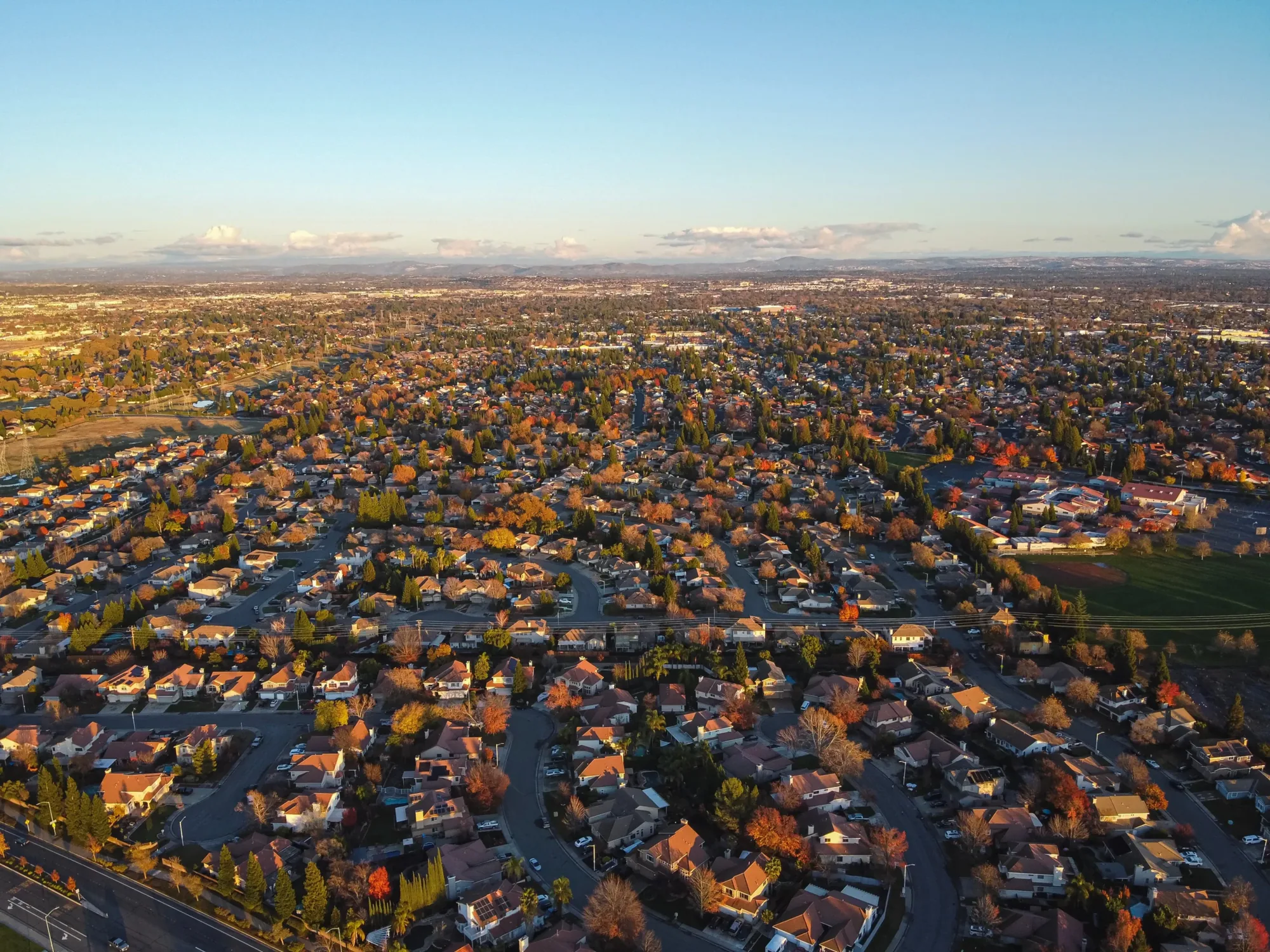
A public building roof request usually carries several decisions at once: stop water, keep a service available, document the need, and prepare a scope that can move through review. Start with the roof zone and the service affected. Roseville's planning framework includes public-service, commercial, industrial, office, and school uses, from Downtown Roseville to North Industrial, and each property presents a different access problem.
We inspect the reported condition, photograph the relevant seam or transition, and record what the crew could and could not reach. The written scope identifies the repair boundary, the condition behind any recommended test, and the work that can proceed under the current authorization. That gives the agency a field record to attach to a work order, procurement package, or capital request.
Summer exposure can leave small openings quiet for weeks. Nearby Sacramento Executive Airport normals show a dry July followed by a wetter winter month, but those are regional climate figures rather than Roseville site readings. We use them as seasonal context and base the project on the actual roof, building use, and approval schedule.
Inspection findings: Record the Condition Before the Scope Is Bid
Collect the roof plan, prior work orders, leak dates, repair history, equipment changes, and available warranty records before the field visit. Identify the rooms, public counter, archive, or service area affected. Those details help the inspector connect the interior report with drains, curbs, seams, wall flashings, and perimeter conditions above.
On the roof, mark the assembly where it is visible and photograph each observation with the roof-zone location. Separate an open flashing detail from a possible moisture concern that requires testing. If access is restricted or weather prevents a complete inspection, list the area left unseen and the follow-up needed to close the information gap. The agency should not have to infer whether an estimate includes an uninspected area.
A documented roof inspection can support a maintenance request or define a project for competitive pricing. A condition report can preserve photographs and recommendations in a format that links each finding to the relevant building record.
Repair options: Write a Scope That Can Be Compared
Roseville routes permit applications and technical documents through a digital process. Regulated construction, alteration, and repair can require a building permit, subject to listed exemptions. Confirm the City review path while preparing the bid package, before crews are scheduled. For replacement work, a defined reroof scope should state removal, staging, disposal, and any allowance for deck or insulation conditions that cannot be verified beforehand.
Operations: Keep Public Access and Roof Access in One Plan
Public counters, library hours, parking, emergency access, and deliveries can shape crew movement even when the roof is not visible to visitors. Confirm which entrances remain open, where warning barriers may stand, and who can approve a temporary reroute. The site contact should also identify roof keys, escorts, restricted areas, and the person who will receive a report about an unexpected condition.
For a facility that remains open, divide work into roof zones with a daily start and stop point. Protect materials from wind, keep debris out of public paths, and restore access before reopening a covered area. Coordinate any antenna, HVAC, or security-system work with the responsible trade so roof flashing is not closed before their work is complete.
A public-building work sequence can define those controls. A Downtown Roseville property may have pedestrian and delivery constraints, while an industrial facility needs a different traffic plan; both should be written against the actual site.
For a public counter or community service location, plan around posted hours and the residents who rely on the entrance. Confirm an alternate route before setting barriers, and tell the site contact who will reopen that route after the daily cleanup. If a work zone is near records storage or public safety equipment, identify the department contact before lifting material to the roof.
Public access can change during council meetings, elections, emergency response, or scheduled community events. Ask the department contact for dates when a parking lot, entrance, or service desk needs to stay clear. Include those dates in the roofing calendar so a late change does not force the crew to move material through an active public area.
Climate risk: Set Review Timing Around Regional Weather
For a public building, schedule a check of the repaired detail before the season when roof leaks are most likely to interrupt services. January's average precipitation in NOAA's Sacramento Executive Airport normal is 3.66 inches. The airport's series is regional context, not a reading taken in Roseville or evidence of damage at an agency site.
Heat still affects exposed roof details through summer. Roseville's nearby station normal includes an August mean daily high of 91.9 degrees Fahrenheit. Treat that as a climate marker only. The field record should describe the actual membrane, sealant, equipment flashing, and roof access conditions at the facility.
Roseville has adopted plans for Atlantic Street, Douglas-Harding, and Douglas-Sunrise commercial areas. Properties within the Roseville Commercial Corridors and public facilities in the North Industrial Area may require different access arrangements. The inspection record ties each scope to the building's observed condition.
Next step: Close Out the Work for the Next Reviewer
At completion, gather photographs, materials used, approved changes, inspection results, and any excluded or deferred item. Mark the repaired roof zone on the plan. Note whether temporary protection was removed and whether a follow-up test remains. A future facilities or procurement reviewer can then see what the public work order funded and what it left open.
For recurring maintenance, track drain condition, exposed seams, flashing at new penetrations, edge metal, and areas disturbed by other trades. A work order should include the date and location instead of a general label such as roof repair. When a leak returns, compare the new report with the earlier zone and determine whether the same tie-in or a different detail needs attention.
City criteria lists the 2025 California Building Standards Code, including the California Building Code with ASCE 7-22 and California Energy Code. Confirm which standards and local permit conditions apply to each project. A district facilities team and a managed-property team may use similar document controls, but public procurement and site approvals remain specific to the agency.
When an agency has several departments at one address, label the service area and the roof zone separately. That lets a work order identify which department requested the visit without implying that the full building has the same condition. Keep the final sign-off, photographs, and any inspection request in the project file used by the facilities lead.
Commercial Roofing Questions
What should an agency include in a roof repair request?
Include the building and roof-zone location, date of the leak, affected service area, prior repairs, and access restrictions. We inspect the related details and return a scope that identifies confirmed conditions and open questions.
How can bids cover the same roof work?
Give each bidder the same marked boundary, material assumptions, access plan, protection needs, and process for concealed conditions. We can document those field details before the agency issues its scope.
Does a temporary roof patch close out the issue?
Only when it is the authorized permanent repair and the surrounding assembly supports that conclusion. Temporary protection should be labeled as such, with the next inspection or correction recorded separately.
When should permitting be checked?
Check the permit path while the scope is being prepared, because regulated construction and repair may require review. Roseville's guidance includes exemptions, so confirm the actual work with the City before scheduling.
What should a roof project closeout contain?
Keep the completed-work photos, roof-zone plan, materials, approvals, inspection findings, and deferred items together. That file shows what was done under the work order and what remains for a later decision.
Related Roofing Pages
Request a public-building roof review
Send the facility, affected service, leak dates, procurement schedule, and access requirements. We will document the roof condition and prepare a scope with clear boundaries and follow-up needs. 555-555-5555
Commercial Roofing for Public Agencies in Roseville, CA FAQs
Common questions about this topic for Roseville commercial buildings.
What should an agency include in a roof repair request?
Include the building and roof-zone location, date of the leak, affected service area, prior repairs, and access restrictions. We inspect the related details and return a scope that identifies confirmed conditions and open questions.
How can bids cover the same roof work?
Give each bidder the same marked boundary, material assumptions, access plan, protection needs, and process for concealed conditions. We can document those field details before the agency issues its scope.
Does a temporary roof patch close out the issue?
Only when it is the authorized permanent repair and the surrounding assembly supports that conclusion. Temporary protection should be labeled as such, with the next inspection or correction recorded separately.
When should permitting be checked?
Check the permit path while the scope is being prepared, because regulated construction and repair may require review. Roseville's guidance includes exemptions, so confirm the actual work with the City before scheduling.
What should a roof project closeout contain?
Keep the completed-work photos, roof-zone plan, materials, approvals, inspection findings, and deferred items together. That file shows what was done under the work order and what remains for a later decision.